
10 Hidden Gem Cafes in Singapore Malls You Need to Try
Singapore’s cafe scene extends far beyond the usual suspects lining every mall corridor. Tucked between retail floors and nestled in unexpected corners, a new wave of independent cafes offers something the chains can’t replicate: character, craftsmanship, and spaces that feel genuinely different. These spots don’t rely on flashy marketing or prime storefronts. They build their reputation one flat white at a time.
Hidden gem cafes Singapore locals frequent are often found in quieter mall zones, upper floors, or tucked beside specialty shops. These spots prioritize quality beans, thoughtful interiors, and a relaxed vibe over foot traffic. Visiting during off-peak hours (weekday mornings or mid-afternoons) guarantees better seating, shorter waits, and a chance to chat with baristas who actually care about your order.
Why mall cafes deserve a second look
Most people associate mall cafes with generic chains serving predictable drinks. That perception misses an entire category of specialty roasters and independent operators who choose mall locations strategically. Rent in standalone shophouses can cripple a small business. A well-placed mall unit offers foot traffic, air conditioning, and infrastructure without the crushing overheads.
The result? Cafes that can invest in better equipment, source single-origin beans, and hire trained baristas. You’ll find pour-over stations, rotating guest roasters, and menus that change seasonally. The atmosphere often mirrors boutique cafes in Tiong Bahru or Tanjong Pagar, minus the hype and weekend queues.
Location matters too. While navigating Orchard Road’s shopping malls like a local teaches you shortcuts between major stores, the same knowledge helps you find cafes on upper floors or basement corners that most visitors walk past.
How to spot a genuine hidden gem
Not every quiet cafe qualifies as a hidden gem. Some are just underwhelming. Here’s how to separate the two before you commit to a visit.
Check the bean origin
Real specialty cafes list their roaster and bean origin on the menu or chalkboard. You’ll see names like Ethiopia Yirgacheffe, Colombia Huila, or Kenya AA. If the menu just says “house blend” with no details, that’s a red flag. Good cafes are proud of their sourcing and want you to know where your coffee comes from.
Look at the equipment
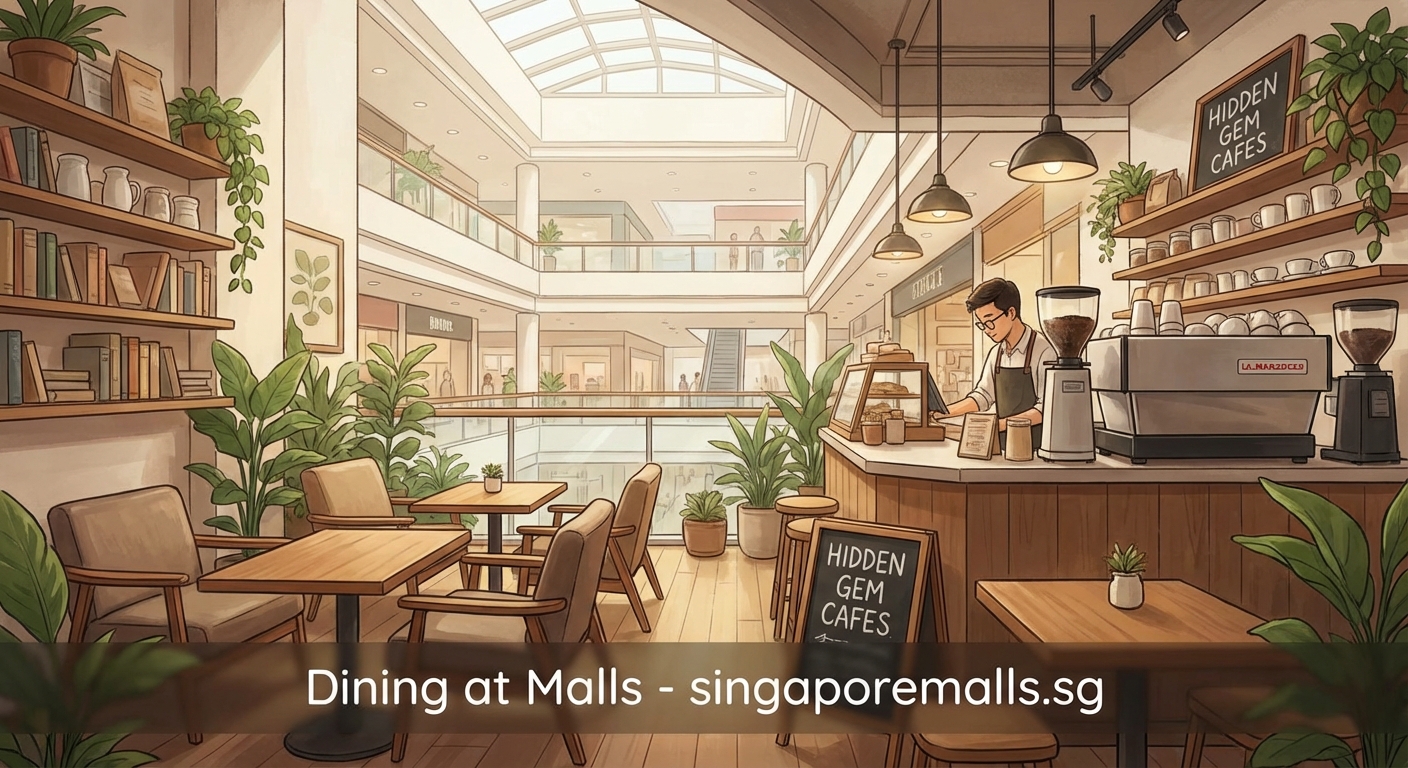
Peek at the espresso machine. La Marzocco, Slayer, or Synesso machines signal serious investment. A generic commercial machine doesn’t guarantee bad coffee, but it suggests the owners prioritize volume over craft. Grinders matter just as much. Mahlkönig, Mazzer, or Baratza grinders mean someone cares about particle consistency.
Observe the barista workflow
Watch how baristas handle milk. Do they purge the steam wand between drinks? Do they tap the portafilter to settle grounds? Small rituals indicate training and care. If they’re chatting while pulling shots or ignoring timers, you’re probably in the wrong place.
Read the vibe, not the decor
Instagram-worthy walls don’t guarantee good coffee. Some of the best hidden gem cafes Singapore has to offer look modest. Clean tables, comfortable seating, and natural light matter more than neon signs. If the space feels like somewhere you’d actually work for three hours, that’s a better indicator than photogenic tiles.
Finding these spots without endless searching
Hunting for hidden cafes can eat up your afternoon. Here’s a systematic approach that works.
- Start with mall directories on upper floors (level 3 and above).
- Check basement levels near supermarkets or specialty grocers.
- Look for cafes adjacent to bookstores, design shops, or coworking spaces.
- Follow local coffee Instagram accounts that tag locations, not just latte art.
- Ask retail staff where they grab coffee during breaks.
Staff recommendations are gold. People who work in malls know which cafes serve actual food, which ones have power outlets, and which baristas remember your order. They’re not going to send you to a mediocre chain.
If you’re already spending a rainy day at Singapore malls without shopping, cafe hopping becomes a natural extension. You’re already there. Might as well try something new.
What makes these cafes worth the detour
Hidden gem cafes offer advantages beyond novelty. Here’s what you actually gain by seeking them out.
Better coffee consistency: Smaller operations can dial in their grind settings daily. Chains serving hundreds of drinks per hour can’t maintain the same precision. Your flat white tastes the same on Tuesday as it does on Saturday.
Genuine conversation: Baristas at independent cafes often own or co-own the business. They’ll recommend beans, adjust your drink without attitude, and remember you after two visits. That personal touch doesn’t exist at chains where staff rotate constantly.
Flexible seating policies: Need to camp for four hours with one drink? Most hidden gems won’t rush you. They’d rather have a loyal regular than churn through customers. Chains enforce time limits during peak hours. Independent spots understand that good word-of-mouth comes from people who feel welcome.
Menu experimentation: Small cafes test seasonal drinks, collaborate with local bakers, and rotate pastries based on what actually sells. You’ll find cardamom lattes, gula melaka affogatos, and other combinations that corporate menus would never approve.
Common mistakes people make
Even experienced cafe hunters make these errors. Avoid them and you’ll have better luck.
| Mistake | Why it backfires | Better approach |
|---|---|---|
| Visiting only on weekends | Every hidden gem gets discovered eventually; weekends bring crowds | Go weekday mornings (8-10 AM) or mid-afternoons (2-4 PM) |
| Ordering the same drink everywhere | You miss what each cafe does best | Ask what the barista recommends or what’s unique |
| Judging by first impressions | Some cafes look plain but serve exceptional coffee | Order one drink before deciding |
| Skipping food entirely | Many hidden gems partner with quality bakers | Try at least one pastry; it’s often better than expected |
| Ignoring off-menu options | Baristas can make drinks not listed if you ask nicely | Request a cortado or Gibraltar if you like milk-forward espresso |
The weekend trap catches everyone. You finally have time to explore, so you visit on Saturday afternoon. So does everyone else. The cafe you read about as “quiet” now has a 20-minute wait. Go during office hours instead. Treat it like playing hooky. The experience improves dramatically.
Where to look by mall type
Different mall categories hide different cafe styles. Knowing the pattern saves time.
Lifestyle malls
Think Dempsey, Rochester, or smaller neighborhood centers. These attract independent operators who want a community feel without downtown rent. Expect minimalist interiors, single-origin options, and clientele who linger. These spots often double as coworking spaces during weekdays.
Suburban malls
Larger suburban centers like Causeway Point or Compass One have surprising finds near their supermarkets or cinemas. Rent is lower than Orchard, so cafes can afford to experiment. You’ll find owner-operated spots serving families during the day and students at night.
Office-adjacent malls
Malls near business districts (Raffles Place, Tanjong Pagar, Marina Bay) cater to professionals who know good coffee. Competition is fierce. Mediocre cafes don’t survive. Look for places that open early (7 AM) and close by 6 PM. They’re targeting the office crowd, not shoppers.
Heritage malls
Older malls like Far East Plaza or Peninsula Plaza have character that newer developments lack. Rent is affordable. Operators can take risks. You’ll find cafes run by first-generation immigrants, third-wave coffee enthusiasts, or artists who need a side income. The vibe is authentic because it has to be.
If you’re already finding the best halal restaurants in Singapore shopping malls, apply the same exploration mindset to cafes. The principles overlap.
Timing your visits for the best experience
When you visit matters as much as where you go. Here’s how to optimize timing.
Weekday mornings (8-10 AM): Baristas are fresh. Equipment is clean. You’ll get their best work. Most hidden gems are quieter before the lunch rush. If you work remotely, this is your window for a productive session with good coffee.
Mid-afternoons (2-4 PM): The post-lunch slump means empty tables. Baristas have time to chat. If you want to learn about their beans or brewing methods, this is when to ask. Some cafes offer afternoon specials or test new menu items during slow periods.
Late evenings (after 8 PM): Only relevant if the cafe stays open past dinner. You’ll find students, night owls, and people avoiding home. The energy shifts. Conversations get longer. Some cafes switch to a bar-like atmosphere with beer or wine alongside coffee.
Avoid: Weekends between 10 AM and 2 PM. Every hidden gem becomes unhidden during brunch hours. Unless you enjoy waiting, skip this window entirely.
“The best cafe is the one where the barista knows your name by your third visit. That doesn’t happen at chains. It happens at places small enough to remember faces.” – Independent cafe owner, operating in Singapore for eight years
What to order when you’re unsure
Walking into a new cafe can feel intimidating. Here’s how to order confidently without defaulting to a latte.
If you like milk-based drinks: Ask for a flat white or cappuccino. These show off a barista’s milk texturing skills. Good microfoam should be silky, not frothy. The coffee flavor should cut through the milk, not hide behind it.
If you prefer black coffee: Request a pour-over or Aeropress if available. This highlights the bean quality without milk masking flaws. Ask which origin they recommend for your taste (fruity, chocolatey, nutty). A good barista will guide you.
If you’re curious: Order the house specialty or whatever’s on the chalkboard as “roaster’s choice.” These are usually beans the cafe is excited about. You’ll get their best effort.
If you need food: Skip generic croissants. Ask what’s baked fresh or delivered that morning. Many hidden gem cafes partner with local bakers who drop off limited quantities. Once it’s gone, it’s gone.
How to support these cafes beyond buying coffee
If you find a spot you love, here’s how to help it survive.
- Bring friends, but not hordes: Word-of-mouth helps. Overwhelming a small cafe with 15 people at once doesn’t. Introduce people gradually.
- Buy retail beans: Most specialty cafes sell bags of their beans. Buying one supports them more than three drinks. You also get to recreate the experience at home.
- Respect their space: If you’re working, order every 90 minutes. Don’t hog a four-person table alone during peak hours. Clean up after yourself. Small gestures matter when margins are thin.
- Leave honest reviews: Skip generic praise. Mention specific drinks, the barista’s name if you remember it, or what makes the space unique. Detailed reviews help the right people find the place.
- Follow their social media: Cafes announce new beans, menu changes, or temporary closures on Instagram. Following them keeps you informed and boosts their algorithm reach.
Many hidden gem cafes Singapore locals love operate on razor-thin margins. Your loyalty genuinely matters. Chains have corporate backing. Independent spots live or die by repeat customers.
Pairing cafe visits with other mall activities
Cafe hopping doesn’t have to be your only agenda. Combine it with other errands for efficiency.
If you’re already checking out the best food courts and hawker centers, plan your coffee stop after lunch. A good flat white cuts through the heaviness of hawker food. It also gives you a reason to linger and digest before heading back out.
For those stacking credit card promotions with mall discounts, many cafes participate in mall-wide loyalty programs. Your coffee purchase might earn points toward future discounts. Check if the cafe accepts mall vouchers or e-wallet promotions.
Parents planning a family shopping day without tantrums can use cafe stops as breaks. A well-timed snack and drink resets everyone’s mood. Choose cafes with space for strollers and high chairs. Many hidden gems are more accommodating than crowded chains.
Recognizing when a hidden gem stops being hidden
Success changes cafes. Here’s how to tell when your favorite spot has crossed over.
Wait times exceed 15 minutes regularly: If you’re queuing every visit, the secret’s out. This doesn’t mean the coffee got worse, but the experience shifts. You’re now competing for space.
Menu expands rapidly: Small cafes keep menus tight. When they suddenly offer 20 drink variations and full meals, they’re chasing volume. Quality often dips.
Staff turnover increases: If you stop recognizing baristas, the cafe is scaling up. Training suffers. Consistency drops. The personal touch disappears.
Prices jump without explanation: Modest price increases for better beans are normal. Sudden 30% hikes suggest the cafe is capitalizing on popularity rather than covering costs.
Social media goes corporate: When the Instagram feed shifts from casual shots to professional photography and influencer partnerships, priorities have changed. The cafe is chasing growth, not community.
None of this makes the cafe bad. But it’s no longer a hidden gem. Time to find the next one.
Making the most of your search
Treat hidden gem hunting as an ongoing project, not a one-time mission. Keep a running list on your phone. Note which cafes you want to revisit, which disappointed, and which surprised you.
Join local coffee communities on Reddit or Facebook. People share new openings, closing sales, and honest reviews. You’ll hear about places weeks before they hit mainstream blogs.
Consider geography. If you live in the east, focus on eastern malls first. Build a rotation of three to five cafes you can visit regularly. Familiarity breeds better service and a sense of belonging.
Don’t force it. Some days you’ll want the predictability of a chain. That’s fine. Hidden gems are for when you have time to appreciate the difference.
Your next coffee run starts now
Singapore’s mall landscape hides more than you’d expect. Between the anchor tenants and chain stores, independent cafes are building loyal followings one carefully pulled shot at a time. They’re not trying to be the next big thing. They’re trying to make coffee worth remembering.
Start with one mall you already visit regularly. Take the stairs instead of the escalator. Check the floors you usually skip. Talk to the barista. Ask what they’re proud of this week. You might walk past the same spot dozens of times before you notice it. That’s what makes it a hidden gem.
The best discoveries happen when you’re not in a rush. Give yourself an extra 20 minutes. Take a different route. Try the cafe that looks too quiet to be good. Sometimes the emptiest spots serve the best coffee. They’re just waiting for people who care enough to find them.