Singapore’s mall food courts have evolved far beyond basic cafeteria-style dining. Today, they blend the authentic flavors of traditional hawker centers with the comfort of air-conditioned spaces, creating a dining experience that satisfies both tourists and locals. Whether you’re craving chicken rice after a shopping spree or want to sample multiple cuisines without stepping into the heat, these food courts deliver quality meals at reasonable prices.
Mall food courts in Singapore offer authentic local flavors in climate-controlled environments, typically costing $5-$12 per meal. The best locations feature hawker-trained vendors, diverse cuisines, and clean facilities. Peak hours run from 12 PM to 2 PM and 6 PM to 8 PM. Most accept cashless payments and provide seating for 200-500 diners. Look for courts with high turnover for fresher food.
Understanding the difference between mall food courts and hawker centers
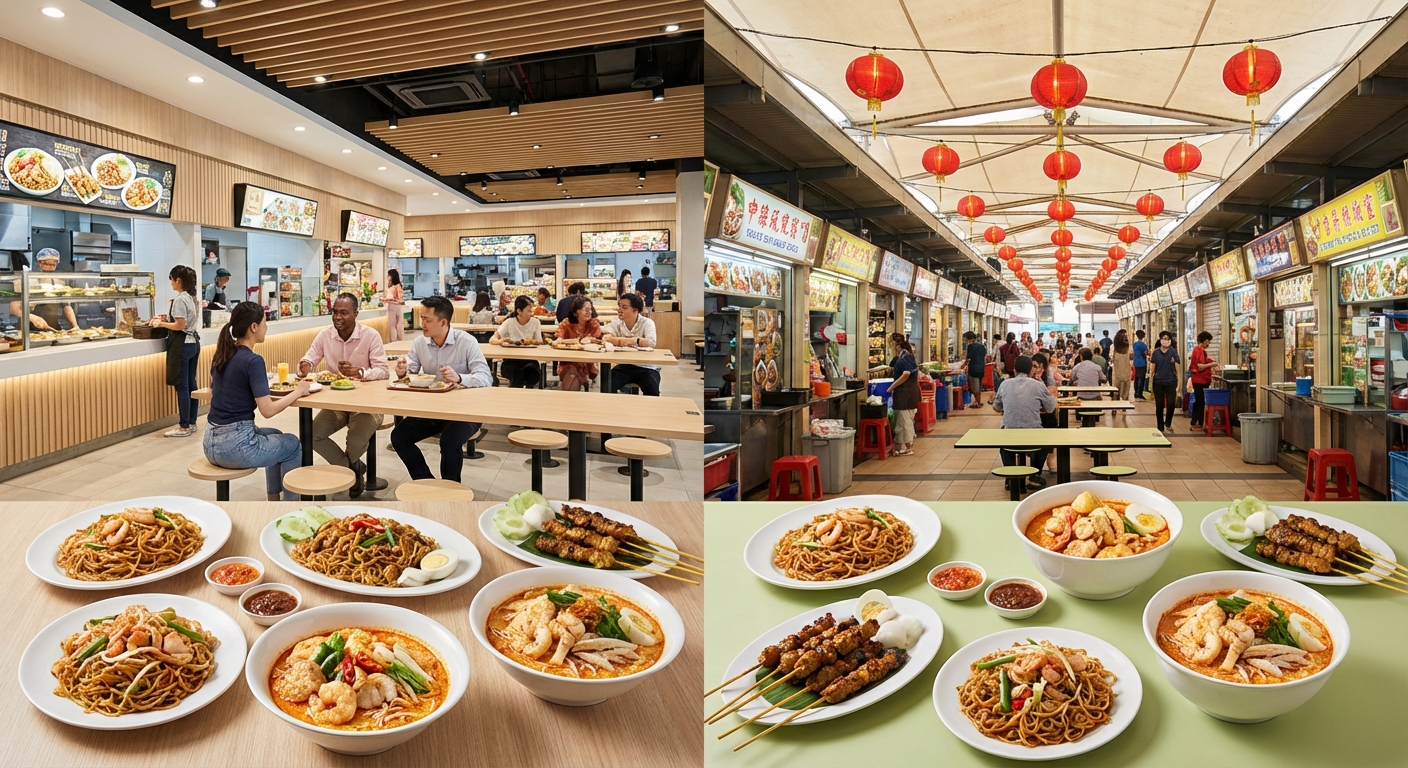
Mall food courts sit somewhere between traditional hawker centers and restaurant dining.
They cost slightly more than outdoor hawker centers but less than sit-down restaurants. You’ll pay an extra dollar or two for air conditioning and modern facilities.
The food quality often matches hawker standards. Many vendors trained at famous hawker stalls before opening mall locations.
Cleanliness standards tend to be higher in malls. Regular cleaning crews maintain tables and floors throughout the day.
Seating is guaranteed during off-peak hours. Unlike crowded hawker centers where you might circle for 10 minutes looking for a spot, mall food courts have predictable capacity.
Payment methods are more flexible. Most stalls accept credit cards, mobile payments, and cash. Traditional hawker centers still prefer cash at many stalls.
What makes a food court worth visiting

Not all mall food courts are created equal.
The best ones share several key characteristics that elevate them above basic cafeteria dining.
Vendor variety matters most. A good food court offers at least 15-20 different stalls covering Chinese, Malay, Indian, Western, and Japanese cuisines. This variety means everyone in your group finds something they want.
Food turnover indicates freshness. Stalls with lines during lunch and dinner serve fresher ingredients. They restock frequently and don’t let food sit under heat lamps for hours.
Seating layout affects your experience. Courts with well-spaced tables, clear pathways, and designated areas for families or solo diners feel more comfortable. Cramped layouts create stress during peak hours.
Hygiene standards show in the details. Clean trays, spotless tables, and well-maintained restrooms signal that management cares about the dining environment. Check the tray return areas; they reveal a lot about overall cleanliness.
Pricing transparency builds trust. The best food courts display clear menus with prices at each stall. You shouldn’t need to ask for pricing on basic items.
How to choose the right food court for your needs
Different situations call for different food court experiences.
Follow this decision framework to match your needs with the right location.
-
Identify your primary goal. Are you looking for authentic local food, international variety, budget dining, or a specific cuisine? This narrows your options immediately.
-
Check the mall’s location and accessibility. Food courts in tourist areas like Orchard Road tend to be pricier. Suburban malls offer better value. Consider whether you’re already shopping at that mall or making a special trip.
-
Review peak hours for your target court. Some courts get packed during lunch while others stay busy through dinner. Timing your visit affects both wait times and food freshness.
-
Assess dietary restrictions and preferences. If you need halal options, vegetarian selections, or allergen-free choices, verify that multiple stalls can accommodate you. Don’t rely on just one vendor. If you’re looking for more specialized options, check out where to find the best halal restaurants in Singapore shopping malls.
-
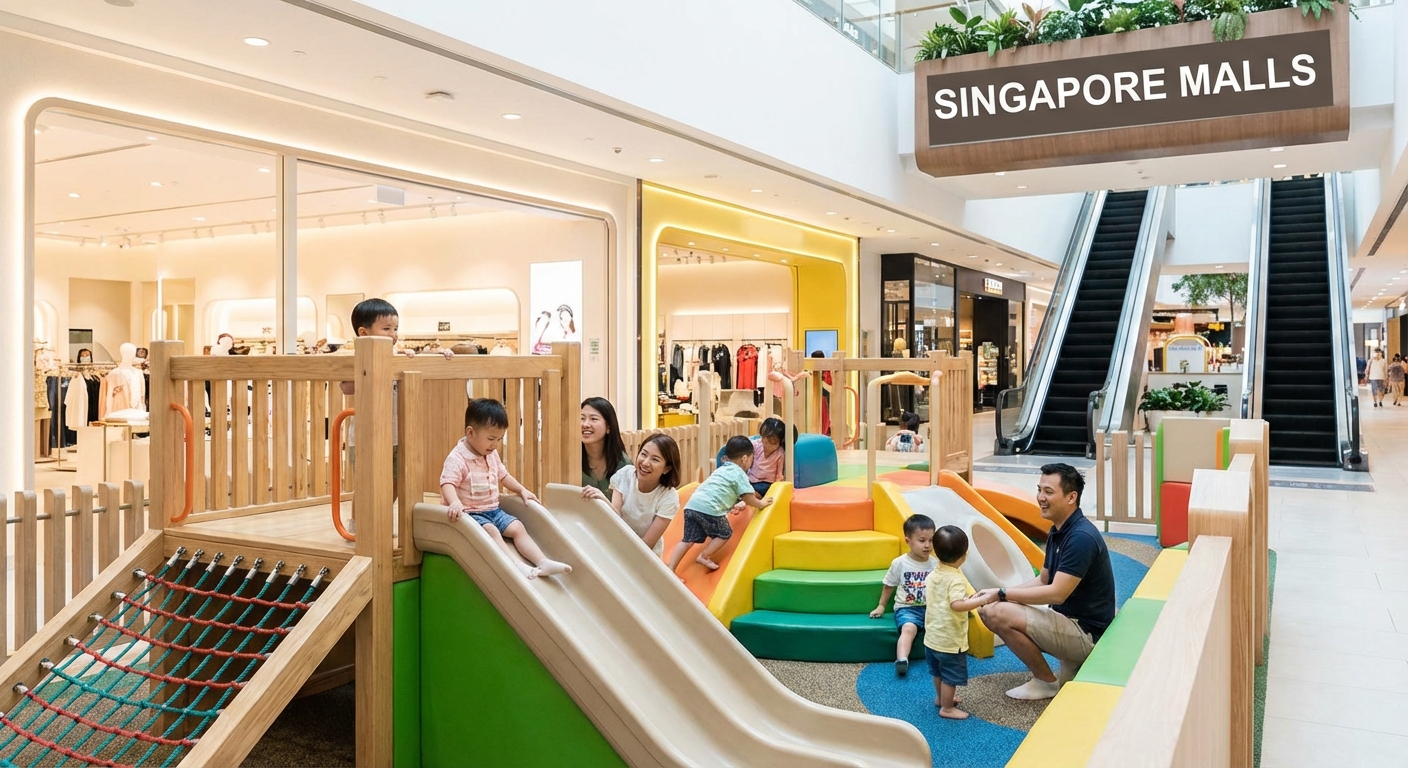
Factor in your group size and composition. Large groups need courts with ample seating and diverse options. Families with young children benefit from courts near play areas or with high chairs available. For family-focused venues, explore family-friendly malls in Singapore with play areas and kids activities.
-
Consider the surrounding amenities. A food court near restrooms, nursing rooms, or entertainment options adds convenience, especially for families.
Top characteristics of the best mall food courts
The standout food courts in Singapore share specific features that set them apart.
Here’s what to look for when evaluating any food court.
| Feature | What Good Looks Like | What to Avoid |
|---|---|---|
| Vendor mix | 15+ stalls with diverse cuisines, including local favorites and international options | Repetitive offerings, too many similar stalls, limited choices |
| Cleanliness | Tables cleared within 5 minutes, visible cleaning staff, spotless floors | Overflowing trays, sticky tables, unpleasant odors |
| Seating capacity | 300+ seats with various configurations, clear traffic flow | Cramped spaces, difficult navigation, long waits for tables |
| Payment options | Cashless systems, multiple payment methods, clear pricing | Cash-only stalls, hidden charges, confusing pricing |
| Operating hours | Extended hours matching mall schedules, consistent stall availability | Stalls closing early, inconsistent vendor hours |
| Food quality | Fresh ingredients, proper food temperatures, good presentation | Lukewarm food, wilted vegetables, sloppy plating |
Navigating peak hours and avoiding crowds
Timing transforms your food court experience.
Lunch hour from 12 PM to 2 PM brings office workers and shoppers. Tables fill up fast. Lines stretch beyond stall fronts.
Arrive before 11:30 AM for a relaxed lunch. You’ll have your pick of seats and skip most queues.
The evening rush hits between 6 PM and 8 PM. Families and after-work diners pack the courts. Noise levels rise. Finding adjacent seats for groups becomes challenging.
Visit after 8:30 PM for a calmer dinner. Many stalls still operate, but crowds thin significantly.
Weekends see consistent traffic from 11 AM to 9 PM. Saturday afternoons are particularly busy at malls along Orchard Road’s shopping district.
Weekday afternoons between 2:30 PM and 5:30 PM offer the best experience. Stalls remain open, food stays fresh, and you’ll find plenty of seating.
School holidays and public holidays mean all-day crowds. Plan for longer waits or choose less touristy locations.
“The best time to visit any mall food court is the ‘shoulder period’ just before or after peak hours. You get fresh food prepared for the rush without the wait times or seating stress. Aim for 11 AM or 2:30 PM for lunch, 5:30 PM or 8:30 PM for dinner.”
Budget-friendly strategies for mall food court dining
Mall food courts cost more than hawker centers but less than restaurants.
Smart strategies help you maximize value without sacrificing quality.
Order set meals when available. Many stalls offer lunch sets or combo meals that bundle a main dish, drink, and sometimes a side for $7-$10. This beats ordering items separately.
Share dishes within your group. Chinese stalls often serve generous portions. Two people can split a noodle dish and a rice dish, then order extra drinks or desserts with the savings.
Bring your own drinks. Most food courts allow outside beverages. A bottle from a convenience store costs $1.50 versus $2.50-$3.50 at food court stalls.
Use credit card promotions. Certain cards offer discounts or cashback at specific mall food courts. Check your card benefits before ordering. Learn more about how to stack credit card promotions with mall discounts.
Skip premium stalls for everyday meals. Specialty concept stalls charge restaurant prices. Stick with traditional hawker-style vendors for better value.
Time your visits for early bird specials. Some courts offer discounted pricing before 11 AM or after 8 PM.
What to order at your first visit
First-timers face overwhelming choices at large food courts.
Start with these reliable options that showcase Singapore’s food culture.
Chicken rice remains the gold standard. Look for stalls with whole chickens hanging in the window. Order a mixed plate (roasted and steamed) to try both preparations.
Laksa offers rich, spicy flavors. This coconut curry noodle soup represents Peranakan cuisine. Choose medium spice level if you’re unsure about your heat tolerance.
Char kway teow delivers wok-fried satisfaction. These flat rice noodles cooked with eggs, Chinese sausage, and prawns show off the hawker’s wok technique.
Nasi lemak provides a complete meal. This fragrant coconut rice comes with fried chicken, egg, anchovies, peanuts, and sambal. It’s Malaysia’s national dish but beloved in Singapore.
Roti prata works for any time of day. These flaky flatbreads pair with curry for dipping. Order plain prata first, then try variations like cheese or egg on subsequent visits.
Ban mian offers comfort in a bowl. This handmade noodle soup with vegetables, egg, and minced meat provides a lighter option than fried dishes.
Avoid ordering too many dishes on your first visit. Two or three items let you taste different cuisines without overwhelming your palate or your wallet.
Dietary accommodations and special requirements
Modern food courts increasingly cater to diverse dietary needs.
Here’s how to navigate common restrictions.
Halal options appear at most major courts. Look for stalls with halal certification displayed. Malay and some Western stalls typically carry certification. Muslim-owned stalls often advertise their halal status prominently.
Vegetarian choices exist but require asking. Many Chinese vegetarian stalls operate in larger food courts. Indian stalls can prepare vegetarian versions of most dishes. Always specify “no meat, no fish sauce, no oyster sauce” to ensure truly vegetarian preparation.
Gluten-free dining needs careful navigation. Rice-based dishes like chicken rice, nasi lemak, and many noodle options naturally avoid wheat. However, soy sauce contains gluten. Ask vendors to skip soy-based sauces or bring your own gluten-free alternative.
Nut allergies require direct communication. Satay stalls use peanut sauce. Many Chinese dishes incorporate peanuts or are cooked in peanut oil. Speak directly with the vendor about cross-contamination risks.
Diabetic-friendly options center on protein and vegetables. Order steamed chicken with vegetables, skip the rice, and avoid sweet sauces. Most stalls accommodate requests for less sugar or no sauce.
Children’s portions aren’t standard. Most stalls serve adult-sized portions. Consider sharing dishes or asking if half portions are available. Some courts have dedicated kids’ meal options at Western stalls.
Making the most of food court facilities
Beyond the food, smart use of facilities enhances your visit.
Claim your table before ordering. During busy periods, send one person to secure seating while others queue for food. Place a bag or jacket on the table to mark it as occupied.
Use tray return stations properly. Clearing your own table speeds up turnover and maintains cleanliness. Most courts have clearly marked return areas.
Locate restrooms before you need them. Food courts often sit near mall restrooms, but not always. Scout the location when you arrive.
Find water dispensers for free refills. Many courts provide complimentary water stations. Bring a reusable bottle to save money on drinks.
Check for charging stations. Newer food courts include USB charging ports or power outlets at some tables. These fill up during peak hours.
Ask about high chairs and booster seats. Family-friendly courts stock these near the entrance or at information counters. They’re free but limited in number.
Understanding food court payment systems
Payment methods vary by food court and individual stalls.
Cash still works everywhere. Keep small bills handy. Some stalls struggle with change for $50 notes during busy periods.
Cashless payments are increasingly common. Most stalls now accept PayNow, GrabPay, or credit cards. Look for payment logos displayed at each stall.
EZ-Link and NETS cards function at many locations. These stored-value cards work across multiple stalls in the same court. Top up at AXS machines or 7-Eleven stores.
Mall-specific stored value cards offer perks. Some malls issue their own payment cards with rebates or points. These only make sense if you visit that mall frequently.
Split payments rarely work. Most stalls accept only one payment method per transaction. If you’re sharing costs, settle up among your group separately.
Tips aren’t expected. Food court culture doesn’t include tipping. Prices already reflect the full cost.
Comparing food courts across different mall types
The mall’s character influences its food court style.
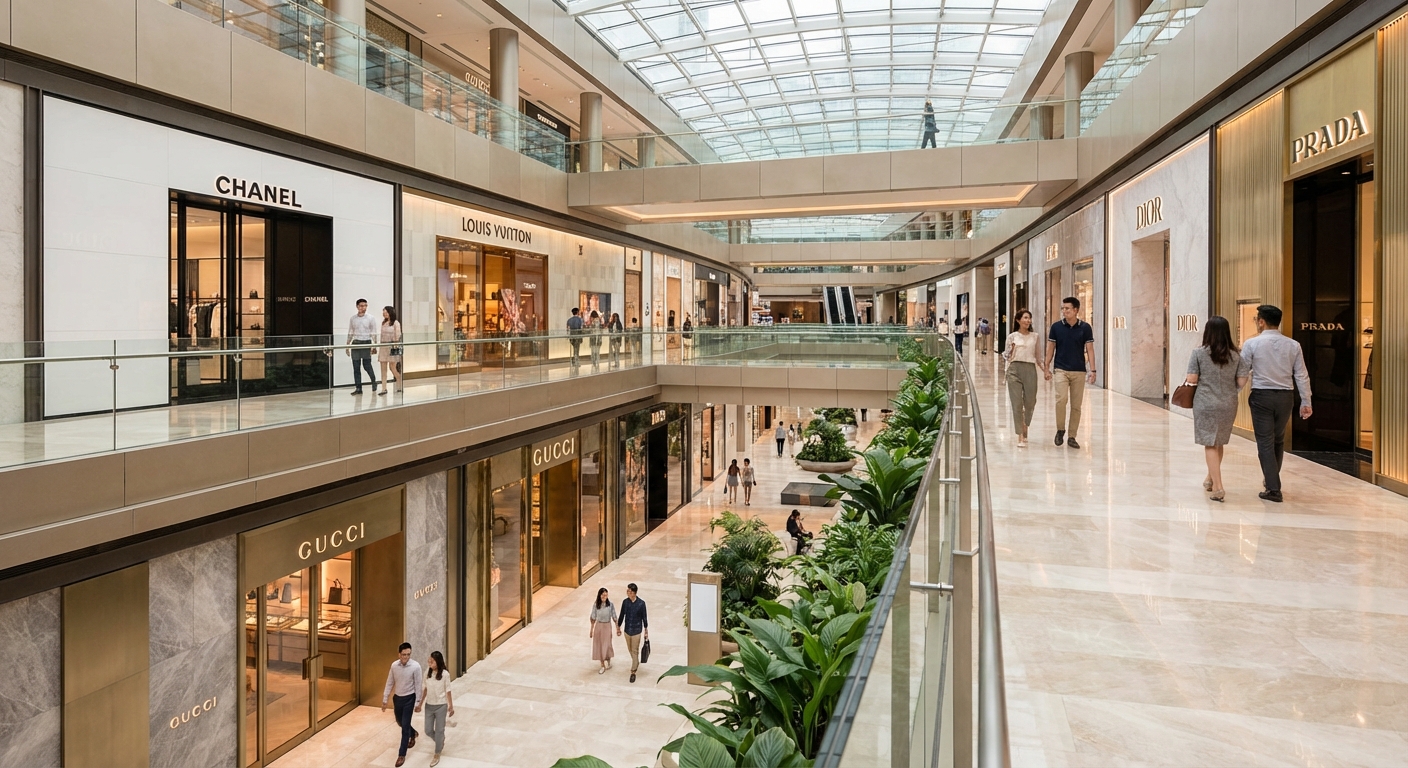
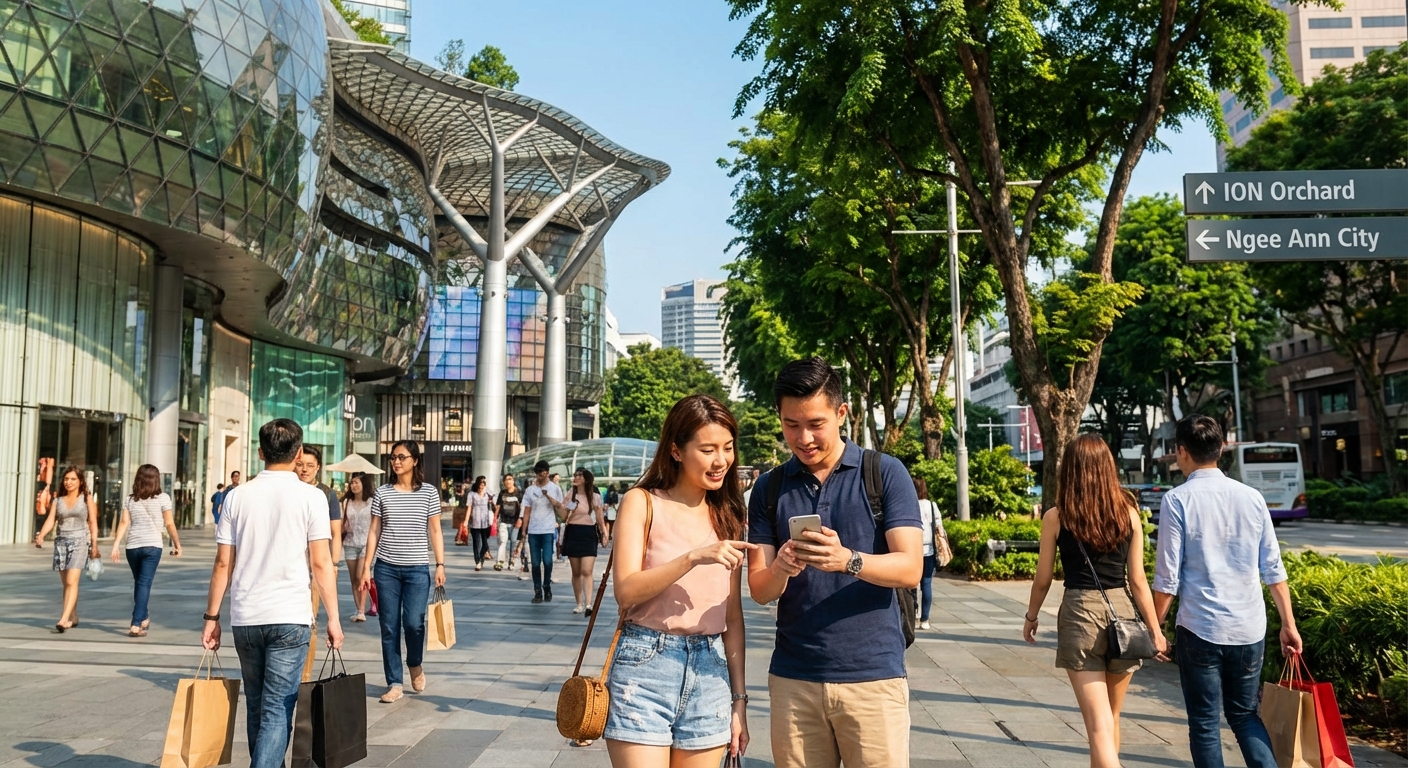
Luxury malls feature upscale food halls. Places like ION Orchard and Paragon house premium food courts with restaurant-quality concepts. Expect to pay $12-$20 per meal. The ambiance and food presentation justify higher prices for special occasions.
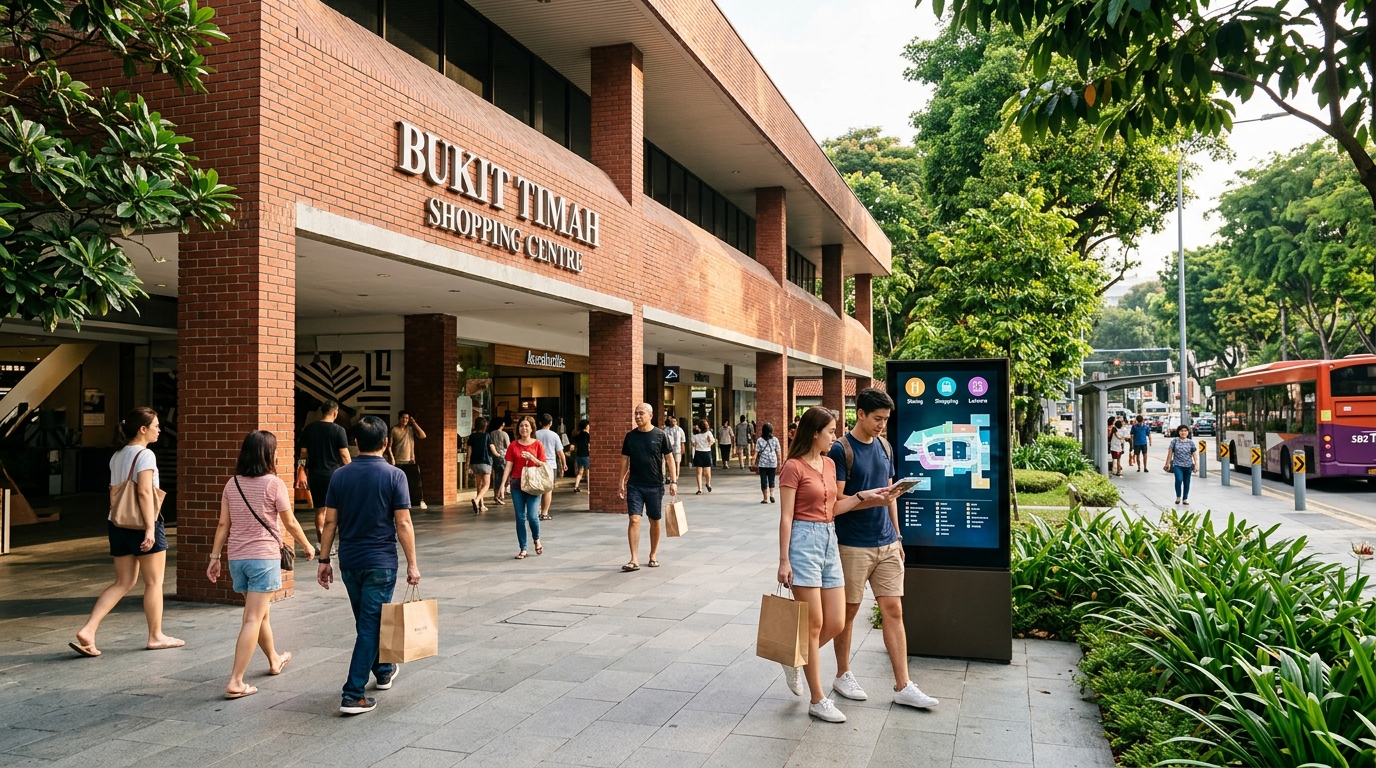
Suburban malls offer the best value. Heartland malls like Compass One, Junction 8, and Bedok Mall maintain traditional hawker-style pricing. Meals cost $5-$8. The food quality matches downtown locations without the tourist markup.
Tourist malls balance quality and convenience. Malls near hotels and attractions price moderately at $8-$12 per meal. They offer recognizable dishes and English-speaking staff to accommodate international visitors.
Integrated transport hub malls serve commuters. Food courts at malls connected to MRT stations like City Square Mall or Hougang Mall prioritize speed and efficiency. Stalls prepare food faster, portions are standardized, and turnover is high.
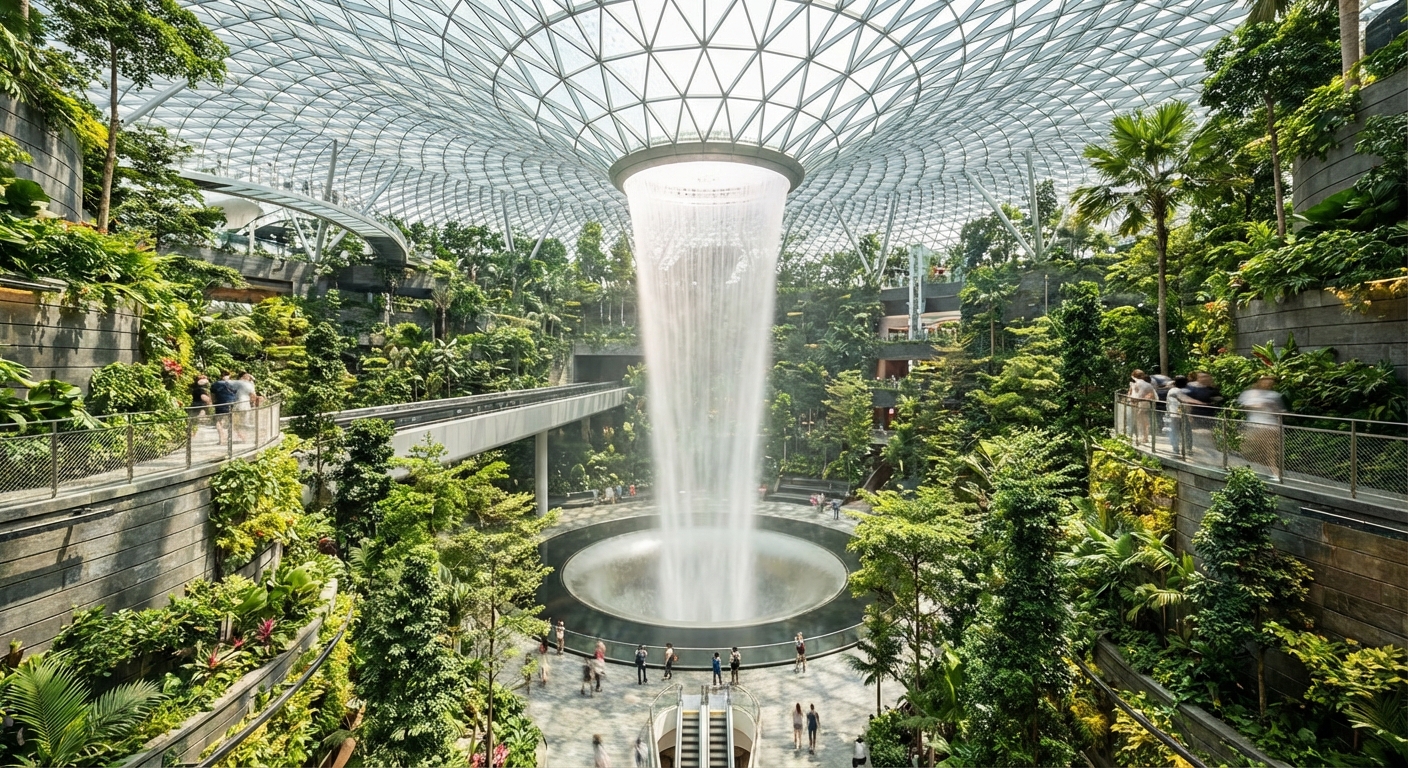
Lifestyle malls experiment with concepts. Places like Jewel Changi Airport and Funan Mall introduce themed food halls and international franchises. These offer novelty but may lack authentic local flavors.
Common mistakes to avoid
Even experienced diners make these food court errors.
Ordering from the first stall you see. Walk the entire court first. Compare options, check prices, and observe which stalls have lines. Lines usually indicate better food.
Choosing based on photos alone. Display photos often look better than the actual dish. Watch what other diners are eating. Real plates tell the truth.
Ignoring hygiene grades. Singapore’s health authority grades all food establishments. Look for A or B grades displayed at each stall. Avoid C-graded stalls.
Sitting too close to the kitchen. Heat, noise, and cooking smells intensify near preparation areas. Choose tables further from the stalls for a more comfortable meal.
Leaving valuables unattended. While Singapore is safe, don’t leave phones, wallets, or bags on tables when you go to order or use the restroom. Take valuables with you or have someone stay at the table.
Ordering too much food. Portion sizes are substantial. Start with one dish per person. You can always order more if you’re still hungry.
Mixing incompatible cuisines. Some flavor combinations clash. Indian curry and Chinese laksa together might overwhelm your palate. Stick to complementary cuisines or order courses sequentially.
Food court etiquette for a better experience
Following basic courtesy makes everyone’s visit more pleasant.
Don’t chope tables during peak hours. The practice of reserving tables with tissue packets is common in Singapore, but it’s inconsiderate during busy periods. Claim a table only when you’re ready to eat.
Keep noise levels reasonable. Food courts are naturally loud, but shouting across tables or playing videos at full volume disturbs other diners.
Clear your table promptly after eating. Return trays and wipe up spills. This helps the next person and supports cleaning staff.
Respect queue order. Don’t cut lines or crowd the person ordering ahead of you. Wait your turn patiently.
Be decisive when ordering. Study the menu while waiting in line. When you reach the counter, order clearly and promptly. Indecision during peak hours frustrates both vendors and other customers.
Share tables when the court is full. If you’re dining alone or as a pair, offer to share a six-seat table with other small groups. This is standard practice during lunch rushes.
Seasonal and special occasion considerations
Food courts adapt their offerings throughout the year.
Chinese New Year brings festive dishes. Expect yu sheng (prosperity toss salad) and special set meals at Chinese stalls. Prices increase slightly, and crowds swell during the two-week period.
Ramadan transforms Muslim stalls. During the fasting month, many halal stalls adjust hours or offer special iftar sets. Non-Muslim diners can still order, but be respectful of those breaking fast.
School holidays mean family crowds. June, September, and December see more children and families. Noise levels rise, and kid-friendly Western stalls get busier.
Year-end sales periods pack the courts. Great Singapore Sale (June/July) and Christmas shopping season bring extended crowds. If you’re planning a shopping trip, consider how to navigate Singapore’s mega malls like a local for better timing strategies.
Durian season affects some stalls. From June to August, some dessert stalls feature fresh durian treats. The strong smell polarizes diners. Sit upwind if you’re not a fan.
When food courts beat restaurants
Food courts excel in specific situations.
Time-constrained meals favor food courts. When you have 30 minutes between activities, food courts deliver. No waiting for tables, no lengthy service, no bill settling delays.
Group dining with diverse preferences. When your party can’t agree on a cuisine, food courts solve the problem. Everyone orders what they want from different stalls.
Budget-conscious family outings. Feeding four people costs $25-$40 at food courts versus $60-$100 at casual restaurants. The savings add up for regular outings.
Solo dining without awkwardness. Eating alone at a restaurant can feel uncomfortable. Food courts normalize solo dining. Grab a table, order what you want, eat at your pace.
Trying multiple dishes in one sitting. Food courts let you sample three or four different cuisines without committing to a full restaurant meal of each type.
Late-night cravings. Some mall food courts stay open past 10 PM, offering cooked meals when most restaurants have closed. Check late night dining options for specific locations.
Planning your food court strategy
A simple plan improves any food court visit.
Scout before you commit. Arrive 10 minutes early to walk the entire court. Note which stalls appeal to you and check their queues.
Coordinate group orders. Decide who’s ordering from which stall. Stagger your ordering so food arrives at similar times.
Secure seating first during peak hours. One person holds the table while others order. This prevents the frustrating situation of holding trays while searching for seats.
Order drinks last. Most drinks come ready immediately. Order food first, then grab drinks while waiting for your meal.
Check whether food courts are worth visiting in 2026 for current trends. Food court concepts evolve. What was popular last year might have changed.
Combine food court visits with other mall activities. Plan your meal around shopping, movies, or entertainment. This maximizes your mall time and justifies the trip.
Why mall food courts remain relevant
Despite Singapore’s incredible restaurant scene, mall food courts continue to thrive.
They bridge the gap between authentic street food and comfortable dining environments. You get real flavors without sacrificing modern conveniences.
The air conditioning alone justifies the slight price premium during Singapore’s hot, humid weather. Elderly diners, families with young children, and tourists appreciate the climate control.
Accessibility matters too. Most food courts provide level access, wide aisles, and facilities that accommodate wheelchairs and strollers better than traditional hawker centers.
The variety under one roof saves time and reduces decision fatigue. Instead of walking between multiple restaurants or hawker centers, you survey all options in minutes.
Payment flexibility removes friction. Cashless systems and multiple payment options make transactions smoother, especially for international visitors unfamiliar with local currency.
Food courts also serve as cultural entry points. Tourists nervous about navigating traditional hawker centers find food courts less intimidating. Clear signage, English menus, and familiar mall environments ease first-time diners into local cuisine.
Your next meal awaits
Start with one food court this week. Pick a mall you already visit, arrive during off-peak hours, and try two dishes you’ve never had before.
Pay attention to what works and what doesn’t. Notice which stalls have lines, how the crowd flows, and where you feel most comfortable sitting.
Build your personal list of favorite stalls and courts. Food preferences are individual. What works for others might not suit your taste.
The best food courts in Singapore malls offer more than just meals. They provide gathering spaces, cultural experiences, and practical solutions to daily dining needs. Whether you’re rushing between meetings, entertaining visiting relatives, or simply craving good food in a comfortable setting, you’ll find what you need.
Your perfect food court meal is out there. Go find it.