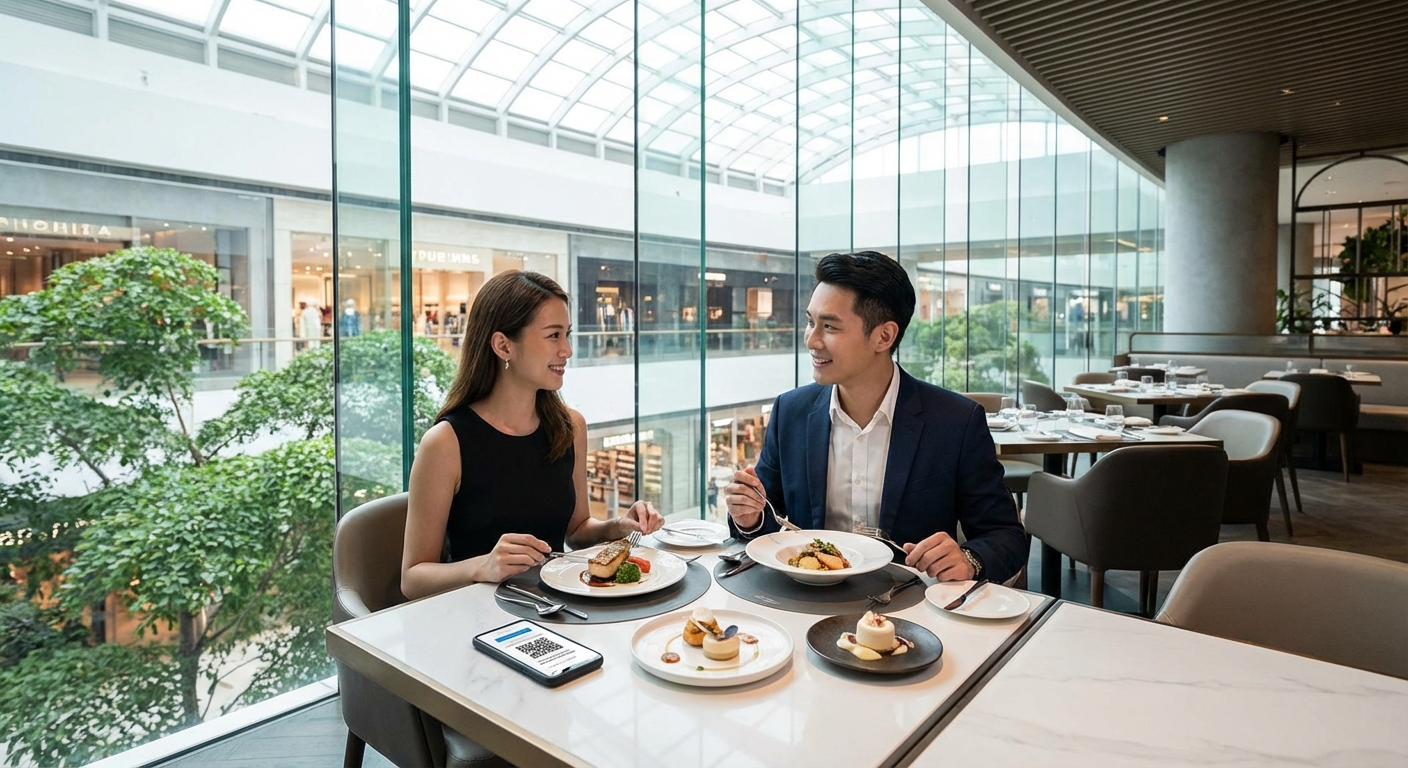

How to Enjoy Fine Dining on a Budget at Singapore Malls
Fine dining doesn’t have to drain your bank account. Singapore’s shopping malls house some of the city’s most elegant restaurants, and many offer surprisingly affordable ways to enjoy upscale cuisine without the premium price tag. You just need to know when to go, what to order, and which promotions to stack.
Affordable fine dining Singapore experiences are accessible through lunch sets, weekday promotions, credit card dining programs, and mall membership perks. Target restaurants between 11:30 AM and 2:30 PM for set menus that cost 40-60% less than dinner prices. Stack credit card rewards with mall vouchers and book during off-peak hours to maximize savings while enjoying premium cuisine in elegant settings.
Why lunch sets are your best entry point
Most upscale restaurants in Singapore malls offer lunch sets that mirror their dinner quality at a fraction of the cost.
These aren’t leftover ingredients or simplified recipes. Chefs prepare the same dishes using identical techniques, just in smaller portions with fewer courses.
A three-course lunch at a fine dining establishment typically ranges from $38 to $68 per person. The same restaurant charges $120 to $200 for dinner.
The math works because restaurants want to fill seats during slower hours. They accept lower margins at lunch to keep kitchen staff busy and build customer relationships.
Book between 11:30 AM and 12:30 PM for the widest selection. Popular restaurants at malls along Orchard Road fill up fast, especially on weekdays when business professionals crowd the dining scene.
Some restaurants also offer afternoon tea sets from 3 PM to 5 PM. These provide another affordable window for experiencing premium service and ambiance.
Understanding weekday versus weekend pricing

Weekday dining delivers better value across nearly every fine dining venue in Singapore malls.
Many restaurants implement dynamic pricing, charging 15-30% more on weekends and public holidays. They justify this through higher demand and extended service hours.
| Day Type | Average Savings | Best For | Typical Crowd |
|---|---|---|---|
| Monday to Thursday | 20-30% off dinner prices | Business lunches, quiet dinners | Professionals, couples |
| Friday lunch | 15-20% off | End-of-week treats | Mixed groups |
| Weekend brunch | Premium pricing | Special occasions | Families, tourists |
| Sunday dinner | 10-15% off | Week-start meals | Local residents |
Tuesday and Wednesday offer the deepest discounts. Some restaurants at budget-friendly malls run special promotions on these traditionally slow days.
Check restaurant websites directly rather than relying on booking platforms. Direct bookings sometimes include complimentary appetizers or desserts that third-party sites don’t advertise.
How to maximize credit card dining programs
Singapore’s credit card dining programs transform expensive meals into affordable experiences.
Major banks partner with restaurant groups to offer 1-for-1 deals, 50% discounts, or substantial rebates. You need to understand which cards work at which restaurants.
- Research your current credit cards’ dining benefits before applying for new ones
- Download each bank’s dining app to access real-time promotions and reservation systems
- Book at least three days ahead for popular restaurants during peak dining periods
- Confirm the promotion applies to your preferred date and time slot
- Present your card before ordering to ensure the discount registers in their system
- Check if the promotion applies to set menus or à la carte ordering
DBS, OCBC, UOB, and Citibank run the largest dining programs in Singapore. Each covers different restaurant portfolios.
Some cards require minimum spending amounts. Others restrict promotions to specific meal periods. Read the terms carefully to avoid surprises when the bill arrives.
“The best dining deals combine credit card promotions with mall vouchers. I’ve eaten at Michelin-starred restaurants for under $50 per person by stacking three different discounts during lunch service.” – Regular fine dining enthusiast
Tracking mall membership rewards that actually matter
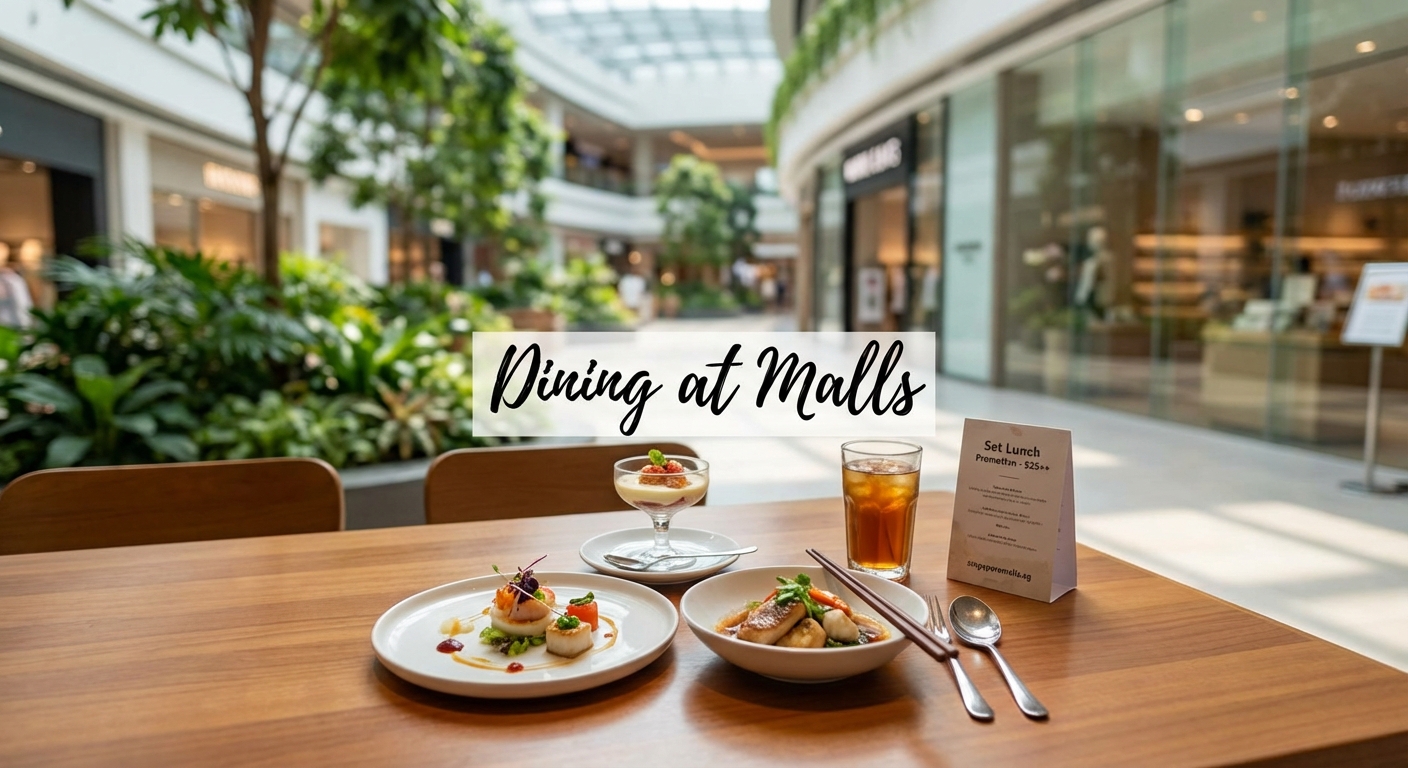
Shopping mall loyalty programs offer dining vouchers that many people ignore.
Mall membership programs typically reward you with points for every dollar spent. These points convert to vouchers usable at participating restaurants.
The conversion rates vary wildly. Some malls offer $10 vouchers for 1,000 points. Others require 2,500 points for the same value.
Focus on malls where you already shop regularly. Spreading your spending across multiple programs dilutes the benefit.
Many malls run bonus point promotions during specific months. Time your major purchases around these periods to accelerate voucher accumulation.
Birthday months often bring double or triple points. Some programs also offer birthday dining vouchers ranging from $20 to $50 that expire within 30 days.
Link your mall membership to your credit card when possible. This automates point collection and prevents you from forgetting to scan your card at checkout.
Finding restaurants with the best value propositions
Not all fine dining restaurants offer equal value, even at similar price points.
Look for establishments that include multiple components in their set menus. The best deals incorporate appetizer, main course, dessert, and a beverage.
French and Italian restaurants generally provide more generous portions than Japanese or modern European venues. Consider this when comparing prices across cuisines.
Restaurants at Jewel Changi Airport often run tourist-friendly promotions. Locals can take advantage of these deals without needing to fly anywhere.
Check if the restaurant includes service charge and GST in advertised prices. Some venues quote pre-tax amounts that increase by 17% at payment.
Wine pairings add significant cost. Skip them during lunch and opt for house wines or tea pairings instead. You’ll save $30 to $80 per person without compromising the food experience.
Seasonal promotions worth planning around
Fine dining restaurants follow predictable promotion cycles throughout the year.
January and February bring Chinese New Year set menus. These often cost less than regular dining because restaurants compete aggressively for corporate bookings.
June and July see mid-year sales at many malls. Restaurants participate with special menus or discount vouchers tied to mall-wide promotion calendars.
November through December features the densest concentration of dining deals. Restaurants want to maximize covers before year-end, leading to aggressive pricing on set menus.
Singapore Restaurant Week happens twice yearly. Participating venues offer multi-course menus at fixed prices, typically $48, $68, or $88 per person.
Sign up for restaurant newsletters directly. They announce exclusive promotions to email subscribers before posting them publicly.
Booking strategies that reduce costs
When you book matters as much as where you eat.
Early dinner sittings (5:30 PM to 6:30 PM) sometimes include discounts at mall restaurants. These time slots appeal to families and early diners willing to eat before peak hours.
Late lunch bookings (2 PM to 3 PM) occasionally access lunch pricing even though most guests have left. Call the restaurant directly to confirm whether lunch menus remain available.
Group bookings of six or more people often qualify for special rates. Some restaurants offer complimentary dishes or waived corkage fees for larger parties.
Avoid booking through third-party platforms that charge restaurants 15-30% commission. These fees sometimes get passed to customers through higher menu prices or reduced portions.
Birthday celebrations warrant special treatment. Many fine dining venues provide complimentary desserts or small gifts when you mention the occasion during booking.
Common mistakes that inflate your bill
Several avoidable errors turn affordable meals into expensive ones.
Ordering à la carte instead of set menus costs significantly more. The individual dish prices don’t reflect the bundled savings that set menus provide.
Accepting the sommelier’s wine recommendations without asking for prices first. Wine markups at fine dining restaurants range from 200% to 400% above retail.
Bringing children who won’t eat sophisticated food. You end up ordering extra dishes or paying for meals they don’t touch. Choose family-friendly restaurants instead.
Arriving late for time-limited promotions. If your booking specifies lunch pricing until 2:30 PM, arriving at 2:45 PM voids the discount.
Forgetting to mention promotions when booking. Some deals require advance notification and won’t apply if you mention them only when paying.
Ordering bottled water instead of requesting tap water. Singapore’s tap water is perfectly safe and free. Bottled water adds $8 to $12 per person.
Alternative upscale dining options in malls
Fine dining restaurants aren’t the only way to experience premium food in elegant settings.
High-end food courts at malls like those with exceptional food court options now feature Michelin-recognized stalls. You get award-winning food at $8 to $15 per dish.
Upscale bakeries and patisseries offer afternoon tea experiences for $25 to $35 per person. The ambiance rivals hotel lounges without the premium pricing.
Wine bars with small plates menus let you sample multiple dishes at lower cost than full restaurant meals. Share three to four plates between two people for $50 to $70 total.
Hotel restaurants within malls sometimes offer better value than standalone fine dining venues. They run aggressive promotions to compete with nearby options.
Hidden gem cafes occasionally feature premium ingredients and sophisticated presentations at mid-range prices. These spots fly under the radar of typical fine dining searches.
Making the most of special dietary requirements
Dietary restrictions don’t need to limit your affordable fine dining options.
Most upscale restaurants accommodate vegetarian, halal, gluten-free, and allergy-related requests. Call ahead to discuss options rather than hoping the menu includes suitable dishes.
Halal restaurants in shopping malls increasingly offer fine dining experiences at competitive prices. These venues maintain premium standards while serving specific communities.
Vegetarian set menus sometimes cost less than meat-based options. Ask if the restaurant offers a dedicated vegetarian tasting menu rather than just removing meat from regular dishes.
Communicate your requirements clearly when booking. Restaurants need time to source specialty ingredients or prepare modified versions of signature dishes.
Some dietary accommodations incur surcharges. Clarify costs upfront to avoid surprises when reviewing the bill.
How to dress appropriately without buying new clothes
Fine dining dress codes intimidate budget-conscious diners who assume they need expensive wardrobes.
Most mall-based fine dining restaurants enforce smart casual standards. This means collared shirts for men and neat tops for women. Jeans are acceptable if they’re dark and undamaged.
Avoid shorts, flip-flops, sleeveless shirts, and athletic wear. These items will get you turned away at the door.
Check the restaurant’s website or call ahead if you’re unsure. Some venues maintain stricter dress codes for dinner service than lunch.
You don’t need designer labels. Clean, well-fitted clothing from mainstream retailers meets requirements at 95% of Singapore’s mall restaurants.
Bringing a light jacket helps. Air conditioning runs cold in many fine dining venues, and a jacket adds formality to any outfit.
Extending your dining experience without extra cost
The meal itself represents just one component of fine dining value.
Arrive 15 minutes early to enjoy the restaurant’s ambiance. Many fine dining venues feature impressive interiors worth appreciating before your table is ready.
Linger over coffee or tea after dessert. Restaurants rarely rush diners during off-peak hours, and the post-meal period offers time to digest and converse.
Take photos of dishes for your records. This helps you remember which restaurants delivered the best value when planning future visits.
Ask questions about preparation techniques or ingredient sourcing. Chefs and servers at fine dining establishments expect engagement and often provide fascinating insights.
Request recipe tips for dishes you particularly enjoyed. Many restaurants willingly share basic techniques, adding educational value to your meal.
Your path to regular affordable fine dining
Consistent access to affordable fine dining Singapore experiences requires systematic planning rather than luck.
Build a rotation of five to seven restaurants with reliable promotions. This prevents dining fatigue while maintaining variety.
Track your credit card and mall membership point balances monthly. Knowing your available rewards helps you plan splurge meals without guilt.
Subscribe to restaurant and mall newsletters but filter them into a dedicated email folder. Review this folder weekly to catch time-sensitive promotions.
Treat fine dining as a planned expense rather than an impulse decision. Budget $100 to $150 monthly for upscale meals, then maximize what that amount delivers through strategic booking.
The difference between occasional expensive meals and regular affordable fine dining comes down to information and timing. You now have both.
Start with lunch at one restaurant this week. Experience the quality firsthand, test the booking process, and confirm your credit card benefits work as advertised. Then expand from there.