
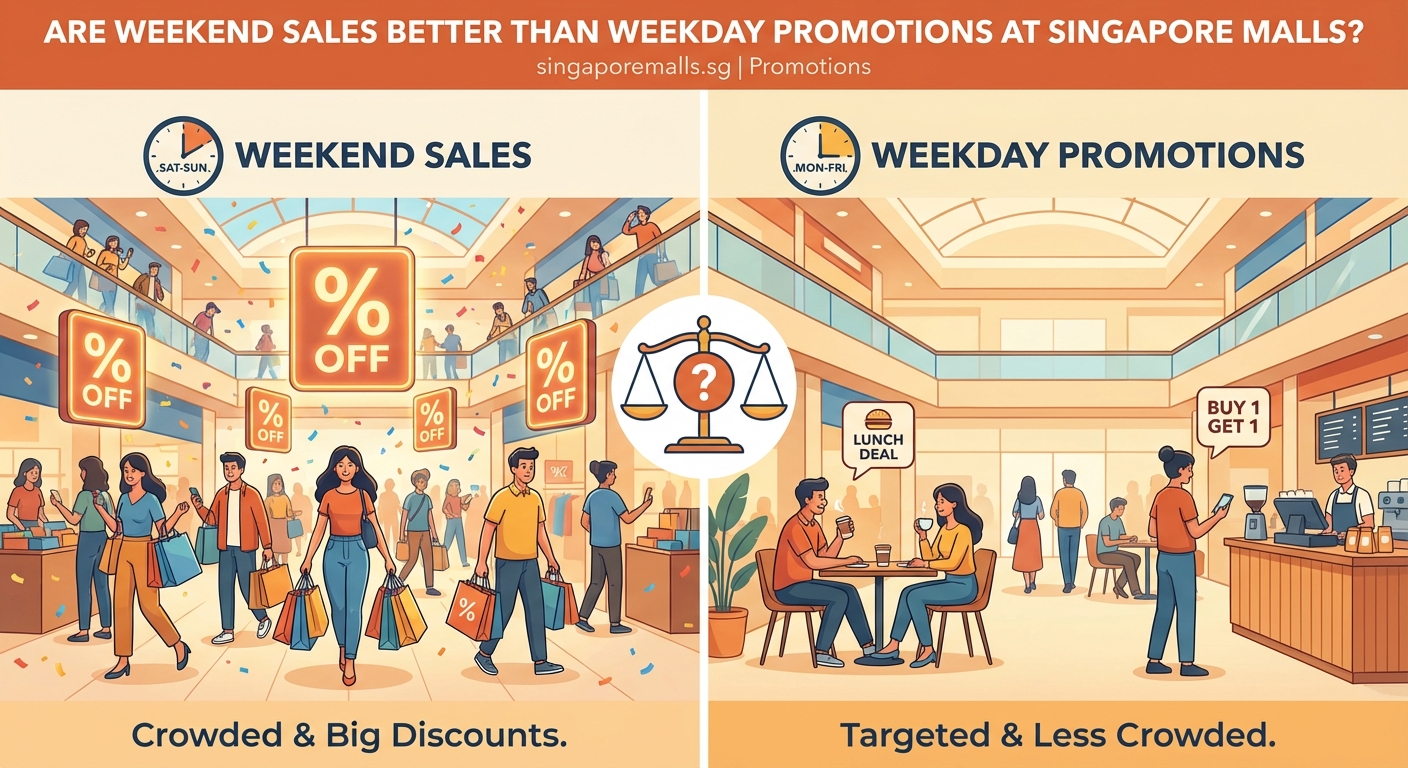
Are Weekend Sales Better Than Weekday Promotions at Singapore Malls?
Shopping in Singapore can feel expensive, but timing changes everything. The difference between paying full price and scoring a genuine bargain often comes down to choosing the right day, week, or season to visit your favorite mall.
The best time to shop in Singapore depends on your purchase type. Weekdays offer fewer crowds and surprise flash sales, while weekends bring advertised promotions. Major sale periods include Great Singapore Sale (June to August), year-end clearances (November to January), and mid-year festivals. Timing your visits around these windows, combined with mall membership programs and credit card offers, can reduce spending by 30 to 60 percent on fashion, electronics, and home goods.
Understanding Singapore’s retail calendar
Singapore malls follow predictable promotional cycles tied to holidays, festivals, and tourism seasons.
The Great Singapore Sale runs from late May through August. This government-backed event brings genuine discounts across participating retailers, not just token markdowns. You will find 30 to 70 percent off fashion, accessories, and home decor during this window.
Chinese New Year sales start two weeks before the holiday and continue through the festival period. Retailers clear inventory to make room for spring collections, creating genuine bargains on winter clothing and electronics.
Year-end clearances begin right after Christmas and extend through January. Many international brands synchronize their global sale calendars with Singapore’s retail scene, making this period ideal for premium purchases at reduced prices.
Mid-year school holidays (June) and year-end breaks (November to December) see increased foot traffic but also more aggressive promotional activity. Malls compete harder for shoppers during these peak periods.
Public holidays like National Day (August 9) and Deepavali often trigger weekend-long sales events. Retailers use patriotic themes and festival celebrations as promotional hooks.
Weekday versus weekend shopping strategies
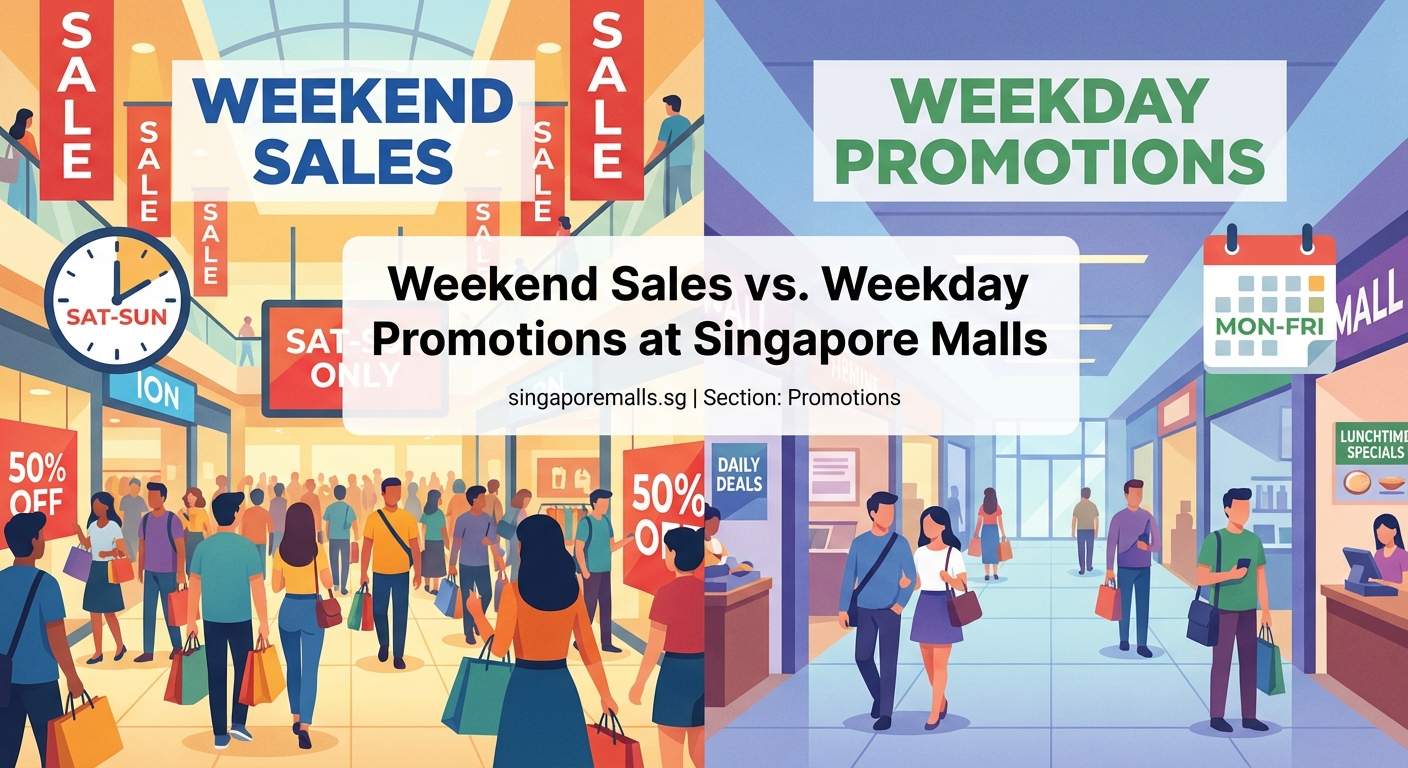
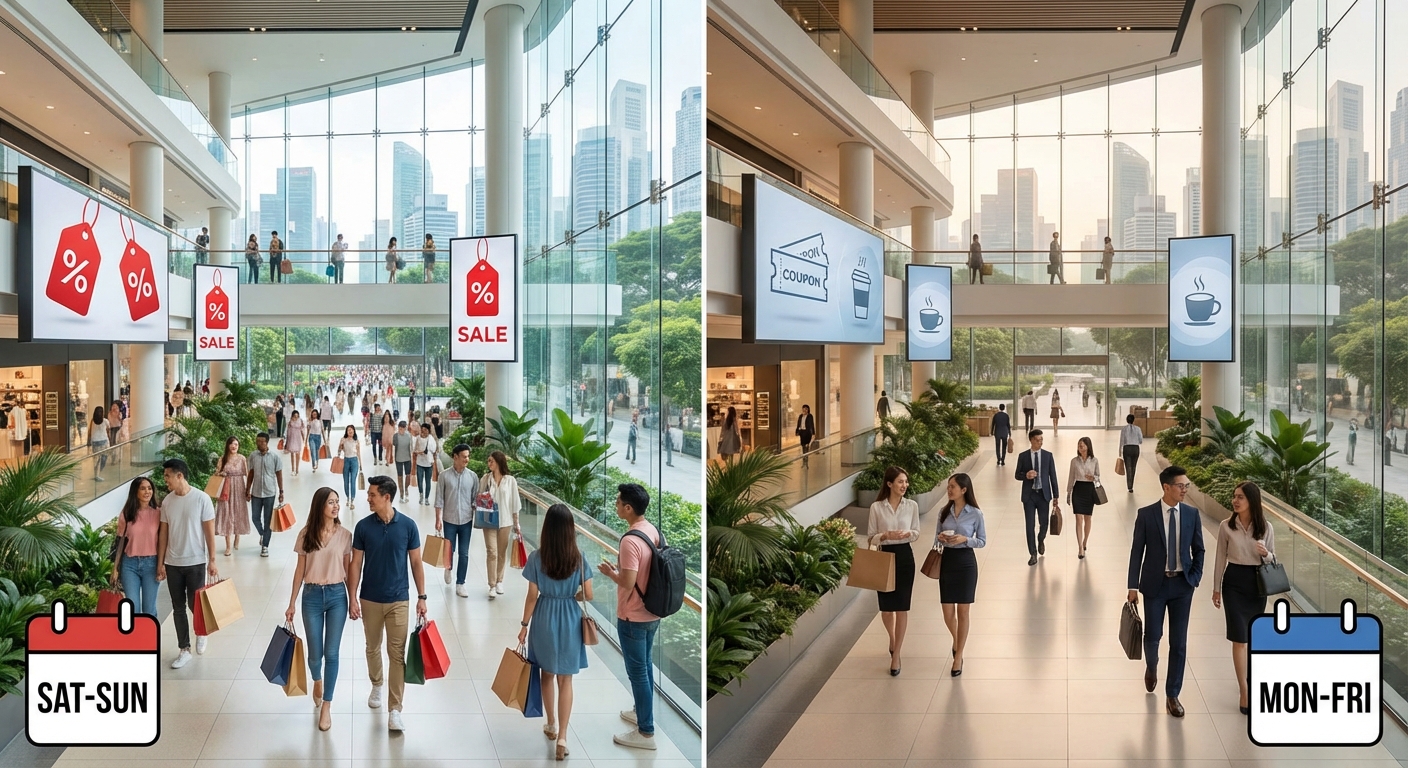
Weekdays offer distinct advantages beyond smaller crowds.
Tuesday through Thursday mornings see the lowest foot traffic. Staff have more time to assist with queries, fitting rooms stay cleaner, and checkout lines move faster. Some retailers launch flash sales on these slower days to drive traffic.
Mall membership programs often schedule exclusive weekday promotions. CapitaLand malls, for example, run Star Rewards member-only deals on Tuesdays and Wednesdays. These promotions rarely get advertised widely, making them genuine opportunities for savings.
Weekend sales get heavily promoted but attract maximum crowds. The advertised 50 percent discount might apply to limited stock or less desirable items. Popular sizes and colors often sell out by Saturday afternoon.
However, weekends work better for certain categories. Electronics retailers like Challenger and Courts often run three-day weekend promotions with genuine price cuts on laptops, cameras, and home appliances. These deals typically start Friday evening and end Sunday night.
Fashion retailers favor Saturday launches for new collections, but they also mark down previous season items on the same day. Arriving at mall opening time (10 AM) gives you first pick of clearance racks before they get picked over.
Plan your shopping trips based on what you need. Weekdays work best for browsing and discovering unadvertised deals. Weekends suit targeted purchases when you know exactly what you want and the promotion applies to your preferred item.
Monthly promotion patterns worth tracking
Each month brings specific promotional opportunities tied to retail cycles and cultural events.
January delivers post-holiday clearances. Retailers need to move unsold Christmas inventory and winter collections. Fashion items see the deepest cuts, often 60 to 80 percent off original prices.
February focuses on Chinese New Year promotions. Look for deals on electronics, home goods, and festive clothing. Sales typically peak the week before the holiday.
March and April represent slower months with fewer major promotions. However, this creates opportunities for negotiation at electronics stores and furniture retailers trying to meet quarterly targets.
May kicks off the Great Singapore Sale preview period. Early bird promotions start appearing, though the deepest discounts arrive in June and July.
August brings National Day sales and back-to-school promotions. Stationery, electronics, and casual clothing see significant markdowns.
September and October represent another quiet period, but watch for mid-autumn festival promotions at department stores.
November launches Black Friday and Singles Day (11.11) sales. These imported shopping events have gained traction in Singapore, with online and offline retailers participating.
December splits between early Christmas shopping promotions and post-Christmas clearances. The week between Christmas and New Year often brings the best deals as retailers close their annual books.
Understanding this rhythm helps you plan major purchases around predictable discount windows rather than buying on impulse at full price.
How to maximize savings with strategic timing
Combining multiple timing strategies amplifies your savings potential.
Stack promotions for compound savings
- Start with mall-wide sale periods like Great Singapore Sale or year-end clearances.
- Layer store-specific promotions on top of mall events.
- Add credit card discounts from participating banks.
- Apply mall membership points or vouchers as final discounts.
This stacking approach can reduce prices by 50 to 70 percent on fashion and lifestyle items. A $200 dress might drop to $100 during a sale, then to $80 with a store member discount, and finally to $70 with credit card promotions.
Time purchases around restocking cycles
Retailers typically restock weekly, with fresh inventory arriving Tuesday through Thursday. Visiting right after restocking gives you full size ranges and color options before popular items sell out.
Clearance sections get refreshed on similar schedules. Tuesday and Wednesday mornings often reveal newly marked-down items that staff added overnight.
Watch for end-of-season transitions
Singapore’s tropical climate means less dramatic seasonal changes than temperate countries, but international brands still follow Northern Hemisphere fashion calendars.
Summer collections arrive in March and April, with previous season items marked down. Fall and winter pieces appear in September and October, clearing spring and summer inventory.
These transition periods create opportunities to buy quality pieces at 40 to 60 percent off, even though the items remain perfectly suitable for Singapore’s year-round warm weather.
Specific timing recommendations by category
Different product categories follow distinct promotional patterns.
Fashion and apparel: Best deals appear during January clearances, Great Singapore Sale (June to August), and Black Friday (November). Weekday visits to budget-friendly shopping malls in Singapore often reveal unadvertised markdowns.
Electronics: Watch for three-day weekend promotions, IT shows (typically March, June, and September), and Singles Day (November 11). Weekday visits allow more time for price comparisons and negotiations.
Home goods and furniture: Year-end sales (November to January) and Great Singapore Sale bring the deepest discounts. Furniture retailers often negotiate on weekdays when sales pressure is lower.
Beauty and cosmetics: Department store beauty sales typically align with mall-wide events, but individual brand promotions happen year-round. Weekday visits to stores like Sephora reveal gift-with-purchase offers with better stock availability.
Luxury items: Genuine luxury discounts remain rare, but luxury shopping destinations occasionally offer private sale events for VIP customers. Year-end and Chinese New Year periods see limited promotions on selected items.
Groceries and daily essentials: Supermarkets within malls like Cold Storage and FairPrice run weekly promotions starting Thursday. Their mobile apps preview upcoming deals, letting you plan purchases around the best prices.
Location-based timing considerations
Different mall clusters follow slightly different promotional rhythms.
Orchard Road malls coordinate major sale events, creating shopping festivals that span multiple properties. Navigating these connected malls efficiently during sale periods requires planning to avoid wasting time in crowds.
Suburban malls like Tampines Mall, Jurong Point, and Northpoint City often extend promotions one week longer than Orchard Road counterparts. They compete for local residents by offering better deals with less fanfare.
Airport retail at Jewel Changi follows tourism patterns rather than local shopping cycles. Prices stay relatively stable, but duty-free shops offer consistent savings on perfumes, cosmetics, and alcohol.
Neighborhood malls run community-focused promotions tied to local events and school holidays. These sales target families and residents rather than tourists, often providing better value on everyday items.
Common timing mistakes that cost money
Avoiding these errors protects your budget.
| Mistake | Why It Costs Money | Better Approach |
|---|---|---|
| Shopping on first weekend of sale | Limited stock, picked-over selections, maximum crowds | Visit mid-week during second week of promotion |
| Buying immediately when seeing “Sale” signs | Many sales offer token discounts on unpopular items | Compare prices across stores and check original pricing |
| Ignoring weekday flash sales | Missing genuine 50-70% discounts on quality items | Follow mall social media and sign up for SMS alerts |
| Shopping during peak hours | Rushed decisions, pressure from crowds, missed opportunities | Visit during mall opening hours or weekday afternoons |
| Skipping membership programs | Losing additional 5-15% discounts and early access | Sign up for free programs at malls you visit regularly |
Digital tools for timing your shopping
Technology helps you track promotions and plan visits efficiently.
Mall apps from CapitaLand, Frasers Property, and Lendlease send notifications about upcoming sales and member-exclusive promotions. Enable notifications selectively to avoid spam while catching genuine opportunities.
Price tracking apps like BigGo and Shopback compare prices across retailers and alert you when items drop to target prices. These tools work for both online and physical store purchases.
Credit card apps from DBS, OCBC, and UOB list current promotions at specific malls and retailers. Checking before shopping trips helps you stack credit card promotions with mall discounts effectively.
Google Maps shows real-time crowd levels at major malls, helping you avoid peak periods. Visiting during lower traffic times improves your shopping experience and decision-making quality.
Social media accounts of individual stores often announce flash sales hours before official mall-wide communications. Following your favorite retailers on Instagram or Facebook provides advance notice of limited-time offers.
Building your personal shopping calendar
Creating a structured approach to timing maximizes annual savings.
January: Focus on fashion clearances and home goods. Allocate budget for genuine bargains on winter collections and holiday decor.
February: Limit spending except for specific Chinese New Year needs. Prices inflate before the festival and drop after.
March-April: Research and plan major purchases for upcoming sale periods. Avoid impulse buying during these quiet months.
May-August: Execute planned purchases during Great Singapore Sale. This represents the year’s best window for fashion, accessories, and lifestyle items.
September-October: Another holding period. Focus on building up budget for year-end sales rather than spending now.
November-December: Split strategy between Black Friday electronics deals and post-Christmas clearances. Buy tech in November, fashion in late December.
This calendar approach transforms shopping from reactive spending into strategic purchasing aligned with genuine promotional periods.
Mall membership programs worth joining
Free membership programs amplify savings when timed correctly.
CapitaLand’s STAR program offers birthday month vouchers, members-only sale previews, and bonus points during promotional periods. The 10 best mall membership programs provide detailed comparisons of benefits across major mall operators.
Frasers Experience members get advance notice of sales, sometimes 24 to 48 hours before public announcements. This early access means better selection and less competition for popular items.
Lendlease Plus members earn points on purchases that convert to vouchers. Timing large purchases during bonus point promotions effectively creates 5 to 10 percent discounts.
Individual retailer memberships at stores like Uniqlo, H&M, and Cotton On provide additional app-exclusive discounts that stack with mall-wide promotions.
The key is activating these memberships before major sale periods so you receive advance notifications and early access invitations.
Reading between the promotional lines
Not all advertised sales deliver genuine value.
“Up to 70% off” usually means one or two items hit that discount level while most stock sees 20 to 30 percent reductions. Check actual prices rather than trusting headline numbers.
“Limited time only” often means the promotion will repeat next month with similar or better terms. Retailers create artificial urgency to drive immediate purchases.
“Exclusive member pricing” sometimes matches or barely beats regular promotional pricing at competing stores. Always comparison shop, even during member-exclusive events.
“Clearance sale” can mean genuine end-of-season markdowns or simply rebranding regular discounts with urgent language. Check if items are actually from previous seasons or current stock with minor markdowns.
“Bundle deals” save money only if you need all included items. Buying individual pieces during separate promotions often costs less than forced bundles.
Making the most of every shopping trip
Tactical execution matters as much as strategic timing.
Arrive at mall opening time during major sales. The first hour offers best selection, cleanest facilities, and most attentive staff.
Bring a list of specific items and target prices. This prevents impulse purchases that undermine your savings strategy.
Wear comfortable shoes and clothing. Rushed decisions due to physical discomfort lead to buying mistakes.
Use mall facilities strategically. Food courts and dining options provide affordable breaks that prevent fatigue-driven poor choices.
Take photos of items you like but aren’t sure about. Review them at home rather than buying under pressure.
Check return policies before purchasing sale items. Many retailers restrict returns on promotional merchandise.
When timing matters less than you think
Some shopping decisions transcend promotional calendars.
Essential replacements should not wait for sales. Delaying necessary purchases of work shoes, undergarments, or daily-use items creates unnecessary discomfort.
Investment pieces in classic styles hold value regardless of purchase timing. A well-made leather bag or quality wool coat serves you for years, making the initial price less important than the per-use cost.
Gifts for specific occasions cannot always align with sale periods. However, buying birthday and holiday gifts during major sales and storing them until needed provides significant annual savings.
Experiences matter more than bargains. Shopping with friends or family creates memories worth more than the difference between full price and sale price on most items.
Your timing advantage starts now
Understanding when to shop in Singapore transforms you from a reactive consumer into a strategic buyer. The promotional calendar repeats predictably, giving you multiple opportunities throughout the year to save on everything from fashion to electronics.
Start by marking the major sale periods in your calendar. Then layer in category-specific timing for your regular purchases. Finally, activate the free membership programs at malls you visit most often.
The savings compound over time. That extra $50 saved on a dress, $200 on a laptop, and $100 on home goods adds up to real money that stays in your account rather than padding retailer margins. Your timing advantage begins the moment you stop shopping on impulse and start shopping with intention.