
5 Ways Singapore Malls Are Transforming Events with Interactive Experiences
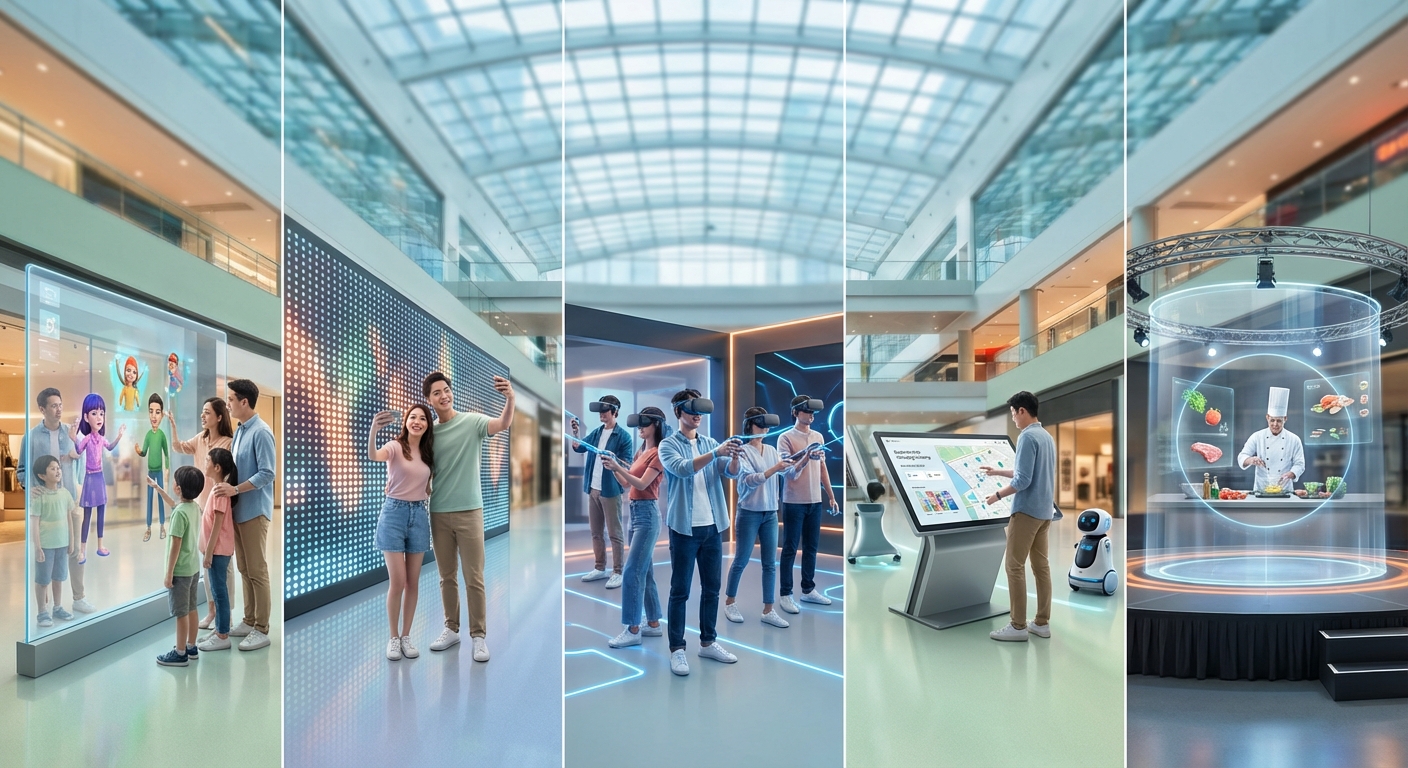
Singapore’s shopping centers have become more than retail destinations. They’re now experiential hubs where brands connect with audiences through hands-on activations, digital installations, and immersive storytelling. For event planners and marketing managers, understanding how to leverage these interactive experiences Singapore malls provide can mean the difference between a forgettable activation and one that generates genuine buzz.
Interactive experiences in Singapore malls combine technology, physical engagement, and strategic placement to create memorable brand moments. This guide covers practical activation types, venue selection, budget considerations, and measurement frameworks that help event planners and marketing professionals design successful experiential campaigns in mall environments across the island.
Why malls became experiential marketing hotspots
Shopping behavior changed dramatically over the past decade. Online retail took market share. Malls responded by transforming into entertainment and experience centers.
Property managers now actively court brands looking to create memorable activations. They offer prime atrium spaces, flexible lease terms, and built-in foot traffic. Some malls even maintain dedicated event teams to support activation logistics.
The numbers tell the story. A well-placed weekend activation at Orchard Road shopping malls can generate 50,000 to 100,000 impressions. That’s more reach than many standalone pop-up venues.
Types of interactive experiences that actually work
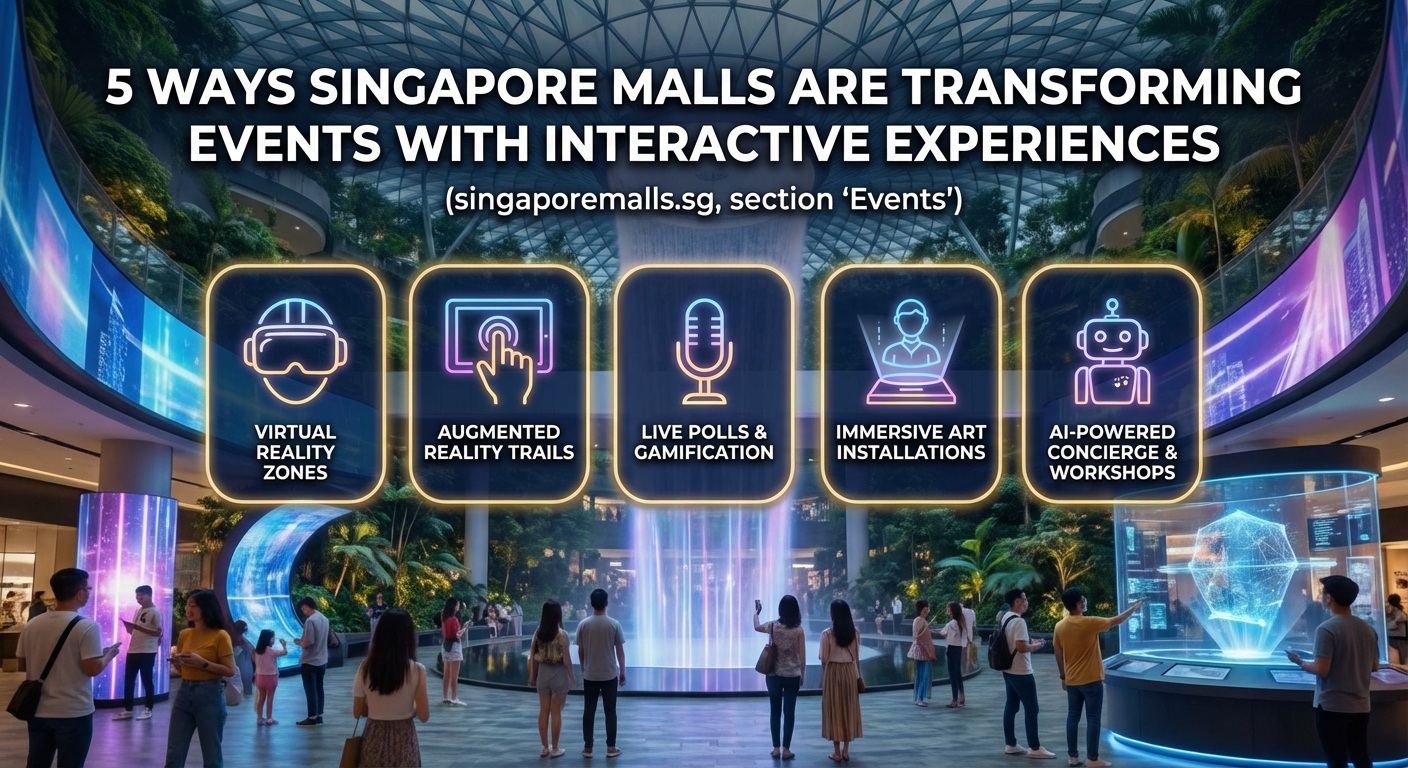
Not every activation format delivers results. Here’s what consistently performs well in Singapore mall environments.
Photo-worthy installations
Instagram-driven installations remain effective. Think oversized props, neon signage, or themed rooms that encourage sharing. The key is making photography natural, not forced.
One beauty brand created a flower wall with hidden product samples. Visitors took photos and discovered samples while posing. Simple, effective, shareable.
Gamified brand experiences
Games work because they create immediate engagement. Brands use digital screens, motion sensors, or physical challenges that tie back to product benefits.
A sports brand ran a reaction-time challenge using motion capture. Participants competed for prizes while experiencing the brand’s focus on performance. The line stayed full all weekend.
Product trial stations
Sometimes the simplest approach wins. Dedicated spaces where people can test products, ask questions, and receive samples generate qualified leads.
Tech brands particularly benefit from this format. Letting someone hold and use a device for five minutes beats any brochure.
AR and VR experiences
Augmented and virtual reality add wow factor when done right. The technology should enhance the story, not become the story.
A furniture retailer used AR to let shoppers visualize pieces in their homes. Practical application of technology that solved a real shopping problem.
Workshops and demonstrations
Live teaching moments create value beyond product promotion. Cooking demos, craft workshops, or skill-building sessions attract engaged audiences.
One kitchenware brand ran knife skills classes. Attendees learned useful techniques while experiencing product quality firsthand. Many purchased items immediately after.
Selecting the right mall venue for your activation
Location determines activation success more than any other factor. Here’s how to evaluate potential venues.
Foot traffic patterns
Study traffic flow throughout the day and week. Some malls peak during lunch hours. Others see evening crowds. Weekend patterns differ from weekdays.
Request historical traffic data from mall management. Most properties track this information and share it with serious tenants.
Audience demographics
Match mall demographics to your target market. Luxury shopping destinations attract different crowds than budget-friendly centers.
Ask mall management for shopper profile data. Age ranges, income levels, and shopping behaviors help predict activation performance.
Physical space requirements
Measure your activation needs against available spaces. Atriums offer visibility but compete with noise. Corridors provide traffic but limit setup options.
Visit potential locations at peak times. See how crowds move. Notice sight lines and ambient conditions.
Technical infrastructure
Check power supply, internet connectivity, and structural mounting options. Some installations require reinforced ceiling points or dedicated circuits.
Older malls may have limitations. Newer destinations typically offer better technical support.
Building your activation from concept to execution
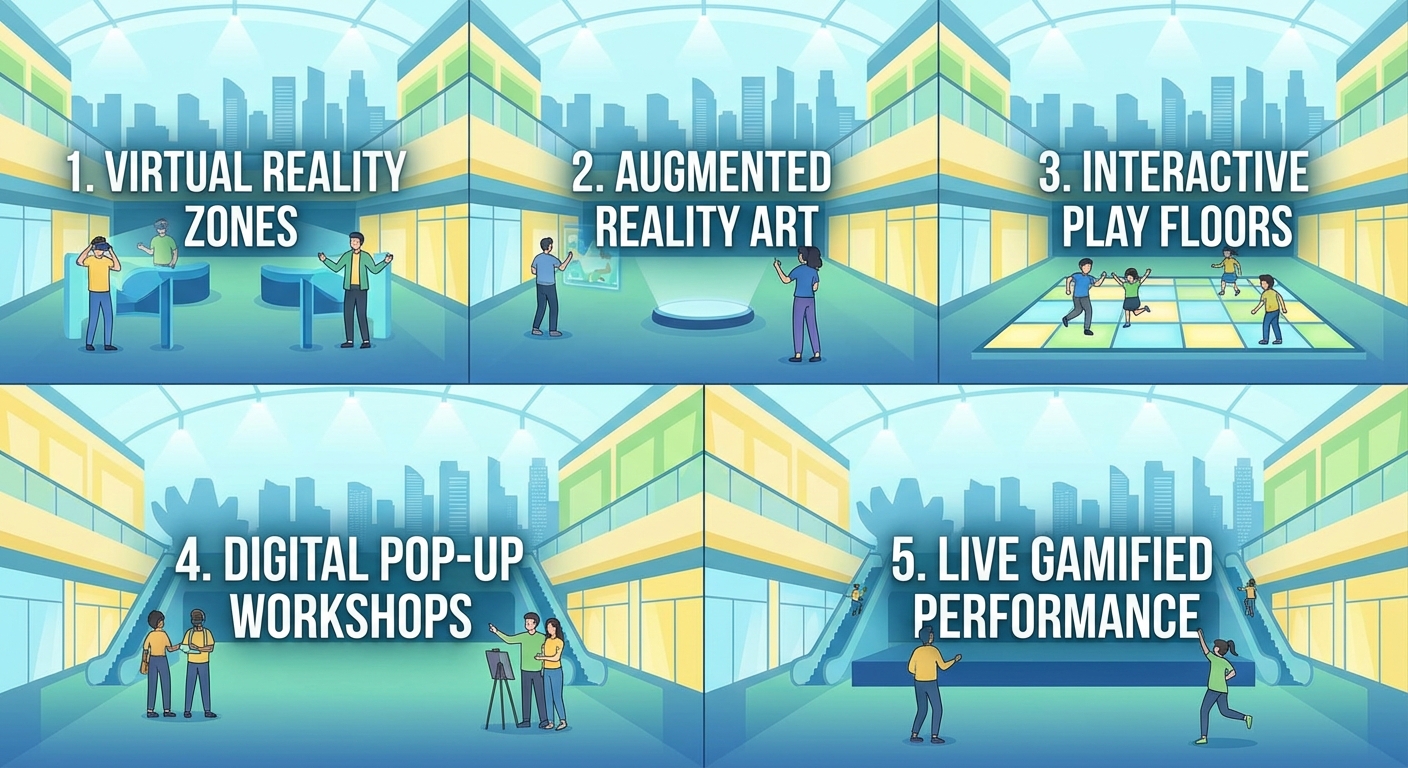
Successful activations follow a structured planning process. Here’s the step-by-step approach.
-
Define clear objectives beyond “brand awareness.” Specify lead generation targets, social media metrics, or product trial goals.
-
Create detailed floor plans showing activation zones, queue management, and staff positions. Account for safety regulations and fire exits.
-
Develop a content calendar for social media before, during, and after the event. Pre-event buzz matters as much as live coverage.
-
Brief staff thoroughly on brand messaging, technical troubleshooting, and customer interaction protocols. Role-play common scenarios.
-
Set up measurement systems from day one. Use unique QR codes, trackable hashtags, or registration forms that capture meaningful data.
-
Plan for contingencies. Weather affects open-air malls. Technical issues happen. Have backup plans ready.
-
Schedule a full technical rehearsal at least 24 hours before launch. Test every interactive element under real conditions.
Budget considerations and cost optimization
Interactive mall activations range from modest to expensive. Here’s how to allocate resources effectively.
| Budget Category | Typical Allocation | Cost Optimization Tips |
|---|---|---|
| Space rental | 25-35% | Negotiate multi-week deals or off-peak periods |
| Build and design | 30-40% | Use modular elements that work across multiple activations |
| Technology | 15-25% | Rent equipment rather than purchase for one-off events |
| Staffing | 10-15% | Mix experienced leads with trained part-timers |
| Marketing and content | 5-10% | Leverage mall’s own channels and partner cross-promotion |
| Contingency | 5-10% | Always maintain buffer for unexpected costs |
Small brands can start with weekend pop-ups in secondary locations. Test concepts before committing to major atriums.
Large brands should consider seasonal takeovers that dominate high-traffic periods. Holiday shopping seasons command premium rates but deliver maximum exposure.
Measuring activation success beyond social metrics
Vanity metrics feel good but don’t prove ROI. Focus on measurements that tie to business outcomes.
Direct conversion tracking
Count actual purchases or sign-ups during the activation. Use unique promo codes or on-site purchase options.
One fashion brand offered exclusive activation discounts. They tracked redemptions and calculated direct revenue attribution.
Lead quality assessment
Collect contact information, but qualify leads immediately. Ask screening questions that identify genuine prospects.
Follow up within 48 hours. Hot leads from experiential events cool off fast.
Dwell time analysis
Longer engagement typically indicates higher interest. Use simple observation or automated sensors to track how long people interact with your activation.
Compare dwell times across different activation elements. Double down on what holds attention.
Share of voice monitoring
Track social mentions, hashtag usage, and user-generated content. But also monitor competitor activity in similar spaces.
Your activation succeeded if it generated more conversation than competing brands during the same period.
Post-event surveys
Send brief surveys to participants who shared contact information. Ask about recall, perception shift, and purchase intent.
Keep surveys under five questions. Offer incentive for completion.
Common mistakes that kill activation performance
Learning from others’ errors saves time and money. Avoid these frequent pitfalls.
Overcomplicating the experience. People won’t read lengthy instructions or wait for complex explanations. Make participation obvious and immediate.
Ignoring queue management. Long, disorganized lines frustrate potential participants. Design clear entry points and set wait time expectations.
Forgetting about mall regulations. Every property has rules about noise levels, operating hours, and approved materials. Violations can shut down your activation.
Skimping on staff training. Your team represents your brand. Unprepared staff create negative impressions that no amount of design can fix.
Neglecting ambient conditions. Mall environments are noisy, bright, and full of distractions. Your activation must work within these realities, not against them.
Failing to capture data properly. Rushed registration processes or complicated forms reduce participation. Streamline data collection to essential information only.
“The best mall activations feel spontaneous but run on military precision. Every detail from staff positioning to backup power supplies gets planned in advance. The magic happens when preparation becomes invisible to participants.” – Senior Event Manager, leading Singapore retail brand
Technology integration best practices
Digital elements enhance activations when implemented thoughtfully. Here’s what works.
Choose reliability over novelty
Bleeding-edge technology impresses but often malfunctions. Proven systems with backup options serve you better.
One auto brand learned this lesson using an untested VR system. Technical issues plagued their weekend launch. They switched to simpler tablet-based configurators for remaining days.
Design for all ages and abilities
Not everyone owns the latest smartphone or understands gesture controls. Create experiences that work for diverse audiences.
Include analog alternatives alongside digital options. Some people prefer physical interaction.
Plan for connectivity issues
Mall WiFi can be unreliable. Design activations that function offline or use dedicated hotspots.
Pre-load all content locally. Don’t depend on cloud streaming during peak usage times.
Make data collection seamless
Integrate registration into the experience flow. QR code scanning or tablet sign-ups work better than clipboard forms.
Offer immediate value in exchange for information. Instant discount codes or exclusive content encourage sharing details.
Seasonal and cultural considerations
Singapore’s multicultural calendar creates unique activation opportunities. Plan around these key periods.
Chinese New Year brings massive mall traffic but also competition for attention. Activations that incorporate festive themes perform better.
Deepavali shopping peaks in Little India areas. Brands targeting Indian communities should consider these locations during festival seasons.
Ramadan evenings see increased mall visits for breaking fast. Food-focused activations align well with this period.
School holidays transform family-friendly malls into kid-centric environments. Adjust activation content accordingly.
Working effectively with mall management
Property managers can make or break your activation. Build productive relationships.
Start conversations early
Contact mall leasing teams at least three months before desired dates. Prime locations book up fast, especially for holiday periods.
Share your concept vision, not just space requirements. Managers appreciate creative ideas that enhance their property.
Understand their priorities
Malls care about foot traffic, tenant satisfaction, and brand alignment. Frame your activation as benefiting these goals.
Highlight how your activation drives visits or complements existing tenants. Show you understand their business model.
Negotiate beyond price
Request marketing support through mall channels. Many properties will feature your activation in newsletters, apps, or social media.
Ask about extended hours or special access for setup. Flexibility on these points often matters more than minor rent reductions.
Maintain open communication
Update management on activation performance. Share positive feedback and attendance numbers.
Property teams appreciate partners who communicate proactively about any issues or changes.
Scaling successful activations across multiple locations
Once you prove an activation concept, expansion becomes possible. Here’s how to scale effectively.
Create detailed runbooks documenting every setup step, staff script, and troubleshooting solution. New teams need this reference.
Standardize core elements while allowing local customization. The main experience stays consistent, but details can adapt to specific mall environments.
Develop a training program that can be delivered remotely. Video tutorials and virtual walkthroughs help new staff prepare.
Establish quality control checkpoints. Visit each location during setup and opening day. Remote monitoring helps maintain standards.
Bringing interactive experiences to life in your next campaign
Interactive experiences in Singapore malls offer unmatched opportunities to connect with engaged audiences. The physical environment, built-in traffic, and infrastructure support create ideal conditions for memorable brand moments.
Success comes from matching activation type to audience, choosing locations strategically, and executing with attention to detail. Start with clear objectives. Measure what matters. Learn from each activation to improve the next.
The malls are ready. Your audience is there. Time to create experiences they’ll remember and share.