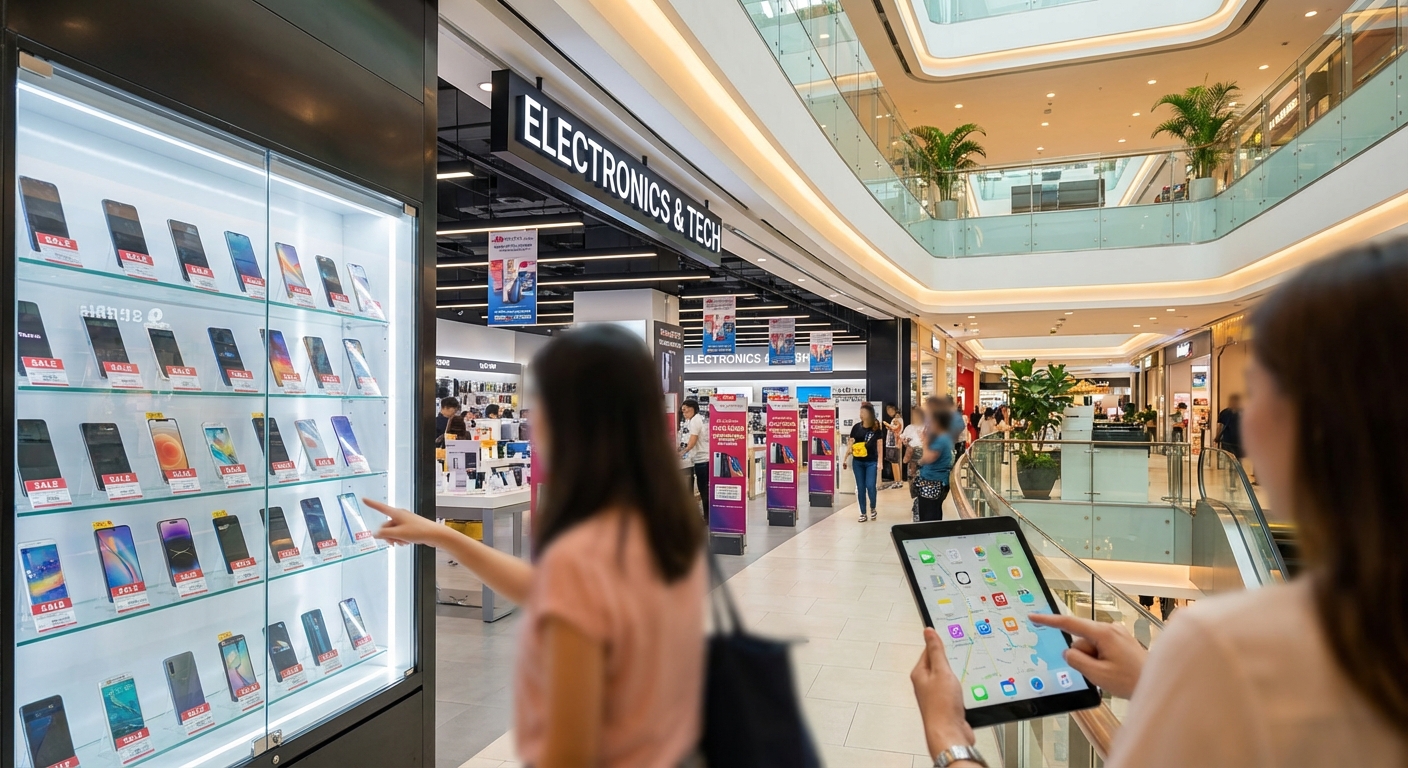

How to Find the Best Smartphone Deals at Singapore Mall Electronics Stores
Shopping for a new smartphone in Singapore can feel overwhelming when you’re standing in front of dozens of stores, each promising the best deal. The city’s electronics retail scene is competitive, which works in your favor if you know where to look and how to negotiate.
Singapore’s best mobile phone shops cluster in Sim Lim Square, Funan, and major Orchard Road malls. Budget shoppers save most by comparing prices across multiple stores, timing purchases during seasonal sales, and negotiating bundled accessories. Authorized retailers offer better warranties, while independent shops provide lower prices but require careful verification of phone authenticity and regional compatibility.
Why location matters when buying your next phone
Not all mobile phone shops in Singapore operate the same way. The location tells you a lot about pricing structure, customer service quality, and whether you’ll get a genuine warranty.
Sim Lim Square remains the traditional tech hub. Shops here compete aggressively on price. You’ll find both authorized dealers and independent retailers under one roof. The building’s reputation has improved significantly after consumer protection measures were introduced, but you still need to stay alert.
Funan offers a more curated experience. The mall’s redesign brought in established electronics retailers alongside specialty phone shops. Prices sit slightly higher than Sim Lim Square, but the shopping environment feels less intense.
Orchard Road malls house premium retailers and brand flagship stores. You’ll pay more, but customer service and after-sales support are typically stronger. These locations work well if you value convenience and don’t want to haggle.
Finding the best mobile phone shop Singapore shoppers trust
Reputation matters more than flashy promotions. A shop that’s been operating for years has more to lose by selling you a faulty device or disappearing when you need warranty service.
Check online reviews, but read them carefully. Look for patterns rather than individual complaints. A shop with hundreds of positive reviews and a few negative ones about minor issues is normal. Multiple complaints about fake phones or refused warranty claims should send you elsewhere.
Ask friends and colleagues where they bought their last phone. Personal recommendations from people who’ve tested a shop’s warranty service carry more weight than any advertisement.
Visit multiple shops before committing. Walking through three or four stores gives you a realistic sense of market pricing and helps you spot unusually low prices that might signal grey market phones.
Step-by-step process for comparing phone prices effectively
Price comparison requires a systematic approach. Random browsing wastes time and often leads to impulse purchases.
- Research your target phone model online first. Check manufacturer specifications, current retail prices, and any ongoing promotions.
- Create a simple spreadsheet listing the shops you’ll visit, their quoted prices, and what’s included (warranty period, accessories, screen protector installation).
- Visit shops during weekday afternoons when staff have more time to answer questions without rushing.
- Ask each shop to write down their best price with all inclusions. This prevents confusion later and gives you leverage when negotiating.
- Check if the phone is a Singapore set with local warranty or a parallel import with limited support.
- Verify the IMEI number matches the box and the phone hasn’t been previously registered.
Always ask for the total price including GST before comparing. Some shops advertise prices that exclude tax, making their deals look better than they actually are.
What separates authorized retailers from independent shops
Authorized retailers sell phones directly supplied by manufacturers or official distributors. They offer full manufacturer warranties, usually 12 months for smartphones. If something goes wrong, you can walk into any authorized service center.
Independent shops often source phones through parallel imports. These devices are genuine but intended for other markets. They might come with different chargers, lack certain features, or have warranties valid only at that specific shop.
The price difference can reach $100 to $200 for flagship models. That saving sounds attractive until you need warranty service and the shop has closed or refuses to honor repairs.
For budget and mid-range phones under $500, the risk is lower. For flagship phones above $1,000, stick with authorized retailers unless you’re very confident about the shop’s reliability.
Negotiation tactics that actually work at electronics stores
Negotiation isn’t about being aggressive. It’s about demonstrating you’ve done your homework and giving the salesperson a reason to offer their best price.
Start by mentioning specific competitor prices. “The shop on level three quoted $1,280 with a free case” works better than “Can you give me a discount?”
Bundle accessories into the negotiation. Shops make good margins on cases, screen protectors, and charging cables. Asking for these as part of the deal often gets you more value than a straight cash discount.
Timing helps. Month-end and quarter-end create pressure on sales staff to meet targets. You’ll have more negotiating room during these periods.
Pay cash if the price difference justifies it. Some shops offer 2-3% discounts for cash payments, though this practice is becoming less common.
Don’t accept the first counteroffer. If a salesperson immediately agrees to your request, you probably could have negotiated further. Polite persistence pays off.
Red flags that should make you walk away
Certain warning signs indicate a shop you should avoid, regardless of how good the price looks.
Vague answers about warranty terms mean trouble ahead. Any legitimate shop can clearly explain warranty coverage, duration, and the claims process.
Pressure to buy immediately suggests the deal isn’t as good as advertised. Genuine promotions don’t require split-second decisions.
Reluctance to show you the phone’s settings or IMEI information before purchase indicates possible issues with the device’s origin or condition.
Shops that only accept cash for expensive purchases raise questions about proper business registration and tax compliance.
Missing or damaged original packaging for supposedly new phones often means the device has been opened, tested, or possibly returned by another customer.
Best times of year to score smartphone deals
Seasonal patterns affect phone pricing predictably. Planning your purchase around these periods can save you hundreds of dollars.
| Sale Period | Typical Discounts | Best For |
|---|---|---|
| Great Singapore Sale (June-July) | 10-20% off | Previous year’s flagship models |
| Singles’ Day (November 11) | Bundle deals, accessories | Mid-range phones, online purchases |
| Black Friday/Cyber Monday | 15-25% off | International models, online retailers |
| Chinese New Year (January-February) | Vouchers, extended warranties | Current flagship models |
| Phone launch periods | Trade-in bonuses | Upgrading from older models |
New phone launches create opportunities beyond the new model itself. Retailers often discount the previous generation significantly to clear inventory. You get a phone that was top-tier six months ago at a much better price.
Mid-year and year-end sales target shoppers willing to wait for deals. Patience pays off if your current phone still works adequately.
Understanding warranty coverage before you buy
Warranty terms vary dramatically between shops and phone sources. Reading the fine print prevents expensive surprises.
Singapore sets typically include 12-month manufacturer warranties valid at any authorized service center. You can walk into any brand service center nationwide.
Parallel imports might offer shop warranties, meaning only that specific retailer handles repairs. If they close or refuse service, you’re stuck.
Some shops offer extended warranties for an additional fee. Calculate whether the cost justifies the coverage. For a $400 phone, a $80 two-year extended warranty rarely makes sense. For a $1,500 flagship, it might provide peace of mind.
Water damage and physical damage almost never fall under standard warranties. Don’t assume dropping your phone in the toilet will be covered regardless of what the salesperson implies.
Check if the warranty covers battery degradation. Some manufacturers replace batteries showing significant capacity loss within the warranty period.
How to verify you’re buying a genuine Singapore set
Grey market phones flood Singapore’s retail landscape. Learning to spot them protects you from compatibility issues and warranty headaches.
Check the box for a Singapore warranty sticker or card. Authorized distributors include these with every phone sold through official channels.
Verify the IMEI number on the phone matches the box. Dial *#06# to display the IMEI on screen, then compare it to the printed number on the packaging.
Look for the correct power adapter. Singapore uses Type G plugs (three rectangular pins). Phones bundled with other plug types likely came from different markets.
Examine the phone’s software region settings. Go to Settings > About Phone and check the model number and region. It should indicate Singapore or a regional variant intended for Southeast Asia.
Ask the shop to register the warranty in front of you. Legitimate retailers can access manufacturer systems and complete registration immediately.
Top mall locations housing the best mobile phone shops
Geography affects your shopping experience significantly. Certain malls concentrate quality retailers and create competitive pricing environments.
Sim Lim Square packs dozens of phone shops into six floors. The concentration drives competitive pricing, but you need to compare carefully. Shops on higher floors sometimes offer better prices than ground-level stores paying premium rent. If you’re comfortable with budget-friendly shopping malls in Singapore, this location delivers maximum value.
Funan combines established chains with independent specialists. The mall’s central location and modern facilities make it popular with both tourists and locals. You’ll find authorized retailers for every major brand alongside accessory specialists.
Plaza Singapura offers a middle ground between premium and budget shopping. The mall houses several authorized phone retailers and benefits from heavy foot traffic that keeps prices competitive.
Orchard Road’s shopping malls provide premium shopping experiences with flagship brand stores. Expect higher prices but superior customer service and hassle-free returns.
Jewel Changi Airport serves travelers well with duty-free options and extended operating hours. Prices aren’t the lowest, but convenience matters if you’re catching a flight.
What to know about trade-in programs and buyback schemes
Trading in your old phone reduces the upfront cost of upgrading. Understanding how trade-ins work helps you maximize the value.
Authorized retailers typically offer the most transparent trade-in processes. They assess your old phone’s condition using standardized criteria and provide immediate credit toward your new purchase.
Independent shops might offer higher trade-in values but apply that credit only if you buy from them. This locks you into their pricing, which might not be the best available.
Check online buyback platforms before accepting a store’s trade-in offer. Dedicated buyback services sometimes pay more because they refurbish and resell phones as their primary business.
Clean your old phone thoroughly and include original accessories. Phones with boxes, chargers, and cables fetch better trade-in values.
Be honest about your phone’s condition. Shops will discover issues during inspection, and misrepresenting condition damages your credibility for negotiating other aspects of the deal.
Common mistakes that cost shoppers money
Learning from others’ errors saves you from expensive lessons.
- Buying the first phone you see without comparing at least three shops
- Ignoring the warranty type and assuming all warranties work the same
- Paying for unnecessary accessories bundled into “deals” that inflate the total price
- Skipping the IMEI verification and ending up with a blacklisted phone
- Trusting verbal promises without getting written confirmation
- Choosing the cheapest option without considering the shop’s reputation
- Buying a phone incompatible with Singapore’s network frequencies
- Forgetting to check if the phone supports local payment systems and banking apps
Making the most of credit card promotions and mall vouchers
Payment method affects your final price more than most shoppers realize.
Many credit cards offer cashback or rewards points for electronics purchases. Check your card’s current promotions before shopping. Some cards provide 3-5% cashback at specific retailers or during promotional periods.
Mall vouchers from membership programs can be stacked with store discounts. If you’re planning a phone purchase, accumulate vouchers from your regular shopping trips.
Banks sometimes partner with phone brands for exclusive deals. These promotions might include interest-free installment plans that let you spread payments over 6-12 months without additional cost.
Read the terms carefully. Some promotions require minimum spending or specific phone models. Others exclude already-discounted items.
Stacking credit card promotions with mall discounts requires planning but can save you $100-$200 on flagship phones.
How online retailers compare to physical shops
E-commerce has changed phone shopping, but physical stores still offer advantages online platforms can’t match.
Online retailers like Lazada, Shopee, and Qoo10 run frequent flash sales with significant discounts. You’ll sometimes find flagship phones $150-$200 below retail during major sale events.
Physical shops let you handle the phone before buying. Screen size, weight, and button placement matter more than spec sheets suggest. Ten minutes with the actual device tells you more than hours of online research.
Immediate availability favors physical retail. You walk out with your phone today rather than waiting for delivery and risking stock issues.
Returns and warranty claims are simpler at physical stores. You can speak directly with staff rather than navigating online customer service systems.
The best approach combines both. Research online to identify your target model and price range, then visit physical shops to handle the device and negotiate the final deal.
Protecting yourself from common scams and deceptive practices
Consumer protection has improved, but problems still occur. Staying alert prevents most issues.
Bait-and-switch tactics involve advertising one model at a low price, then claiming it’s out of stock and pushing you toward a more expensive alternative. If a shop consistently lacks advertised stock, shop elsewhere.
Fake accessories bundled as “free gifts” add no real value. A $5 case marketed as worth $30 doesn’t make a deal better.
Locked phones sold as unlocked cause problems when you travel or switch carriers. Verify the phone works with different SIM cards before leaving the shop.
Refurbished phones sold as new represent fraud. Check for signs of previous use: scratches, wear on charging ports, or accounts already configured on the device.
Second-hand phones with outstanding finance agreements can be remotely locked by the original owner’s carrier. Always buy from reputable sources that guarantee clean IMEI status.
Questions to ask before handing over your money
The answers to these questions determine whether you’re making a smart purchase.
- Is this a Singapore set with local warranty or a parallel import?
- What exactly does the warranty cover and for how long?
- Can I see the warranty card and register it now?
- Does the price include GST or is tax added separately?
- What’s your return and exchange policy if I find a defect?
- Is the phone unlocked and compatible with all Singapore carriers?
- Can you show me the IMEI number matches the box?
- What accessories are genuinely included versus added to inflate the deal value?
- Do you offer any price matching if I find it cheaper elsewhere today?
- How long has this shop been operating at this location?
Accessories worth buying and ones you should skip
Shops push accessories because margins are high. Some add genuine value, others waste money.
Worth buying:
* Quality tempered glass screen protectors installed professionally
* Protective cases from reputable brands
* Fast charging cables and adapters if your phone supports them
* Wireless charging pads if you’ll actually use wireless charging
Usually overpriced:
* Extended warranties beyond manufacturer coverage
* Screen protector and case bundles marked up 200-300%
* Cleaning kits and phone stands
* Memory cards from unknown brands
* Decorative accessories that add bulk without protection
Buy accessories separately from budget retailers or online platforms. The $50 you save on a case and screen protector can go toward a better phone model.
Making your phone purchase work for your budget
Smartphones represent significant purchases. Smart financial planning prevents buyer’s remorse.
Set a firm budget before shopping. Decide the maximum you’ll spend and stick to it. Salespeople are trained to upsell, and it’s easy to justify “just $100 more” for better specs.
Consider total cost of ownership. A $800 phone lasting three years costs less annually than a $400 phone needing replacement after 18 months.
Interest-free installment plans make sense if you’d buy the phone anyway. They don’t make sense if they push you beyond your budget.
Factor in accessories and insurance when calculating total cost. A $1,000 phone becomes $1,200 after case, screen protector, and insurance.
Compare the value of spending more on your phone versus other priorities. Would that extra $300 serve you better in an emergency fund or toward other goals?
Where to get help if something goes wrong
Problems happen even with careful shopping. Knowing your options helps resolve issues faster.
Start with the shop where you bought the phone. Bring your receipt and explain the issue clearly. Most legitimate retailers want to maintain their reputation and will work with you.
If the shop refuses reasonable requests, contact the Consumers Association of Singapore (CASE). They mediate disputes and can pressure businesses to honor warranties and consumer protection laws.
For serious fraud or scams, file a police report. Include all documentation: receipts, warranty cards, and records of conversations with the shop.
Credit card chargebacks provide another avenue if you paid by card and the shop sold you a defective or misrepresented product.
Social media and review platforms give you public forums to share experiences. Shops care about online reputation and sometimes respond better to public complaints than private ones.
Your next smartphone is waiting
Finding the best mobile phone shop Singapore offers doesn’t require insider knowledge or lucky timing. It requires patience, comparison shopping, and asking the right questions. Whether you’re hunting for a flagship model or a reliable budget phone, the competitive retail environment works in your favor when you know how to navigate it. Take your time, verify everything, and don’t let anyone pressure you into a purchase you’re not completely comfortable making. Your perfect phone and the right shop to buy it from are both out there.