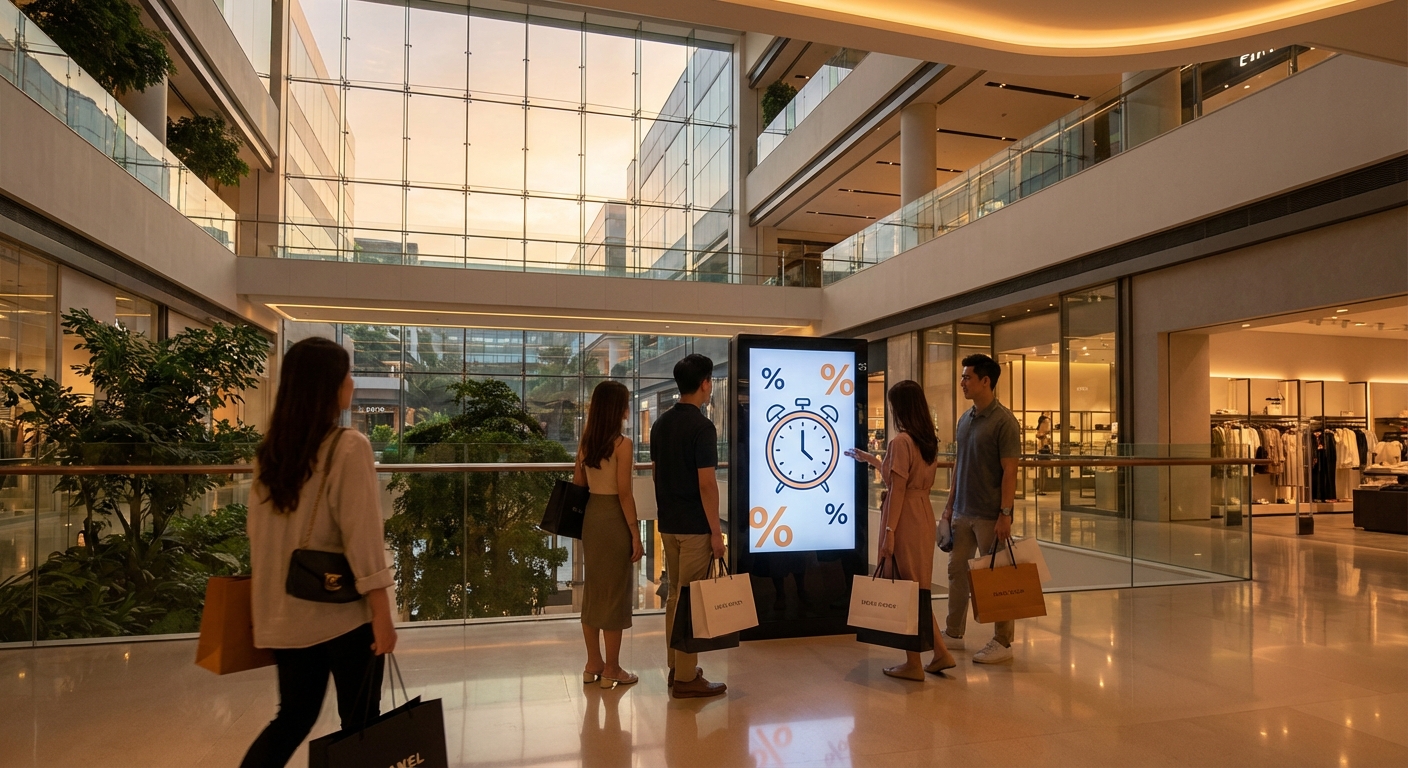

Secret Shopping Hours When Singapore Malls Offer Extra Discounts
Shopping in Singapore can be expensive, but timing your trips right makes all the difference. The city’s malls follow predictable discount cycles that most shoppers miss. Knowing when stores slash prices can save you hundreds of dollars every year.
The best time to shop in Singapore falls during major sale seasons like Great Singapore Sale, 11.11, and year-end clearances. Weekday mornings offer fewer crowds and better service, while late evenings bring flash discounts. Combine seasonal sales with credit card promotions and mall membership rewards to maximize savings across fashion, electronics, and household items throughout the year.
Major Sale Seasons Worth Planning Around
Singapore’s retail calendar revolves around specific sale periods that deliver genuine discounts.
The Great Singapore Sale runs from late May through July. This is when retailers clear inventory for new collections. Discounts start at 30% and climb to 70% as the season progresses.
November brings 11.11 shopping festivals. Originally an online event, brick-and-mortar stores now compete with aggressive pricing. Electronics and fashion see the deepest cuts.
Black Friday and Cyber Monday arrive in late November. While not traditionally Singaporean, major malls now participate with weekend-long promotions.
December through February marks clearance season. Stores need to move holiday inventory and make room for Chinese New Year stock. This creates a perfect storm of overlapping discounts.
Chinese New Year sales begin two weeks before the festival and extend one week after. Household goods, clothing, and food items see significant markdowns.
Here’s how these seasons compare:
| Sale Period | Best Categories | Typical Discount Range | Crowd Level |
|---|---|---|---|
| Great Singapore Sale | Fashion, beauty | 30-70% | Very high |
| 11.11 Festival | Electronics, online | 20-50% | High |
| Year-End Clearance | Everything | 40-80% | Moderate |
| Chinese New Year | Home goods, food | 25-60% | Very high |
| Mid-Year Sales | Furniture, appliances | 30-50% | Low |
“The biggest mistake shoppers make is waiting for advertised mega-sales. The real deals happen during transition periods between seasons when stores quietly mark down last season’s stock to make room.” – Retail manager at Orchard Road mall
Weekday Shopping Advantages

Most people shop on weekends, but weekdays offer hidden benefits.
Tuesday through Thursday mornings see the lowest foot traffic. Sales staff have more time to help you find sizes, check inventory, and process price adjustments.
Many stores restock on Monday nights and Tuesday mornings. You get first pick of newly arrived items before popular sizes sell out.
Lunchtime promotions target office workers between 12 PM and 2 PM. Food courts offer set meals at reduced prices. Some fashion outlets run flash sales during lunch hours.
Late weekday evenings bring another opportunity. Stores trying to meet daily sales targets sometimes offer additional discounts after 8 PM. This is particularly true at electronics retailers.
If you’re looking for a more relaxed shopping experience, consider budget-friendly shopping malls in Singapore that won’t break the bank during off-peak hours.
Monthly Discount Patterns
Each month has its own shopping rhythm.
January features post-holiday clearances. Retailers need to clear Christmas inventory fast. Decorations, gift items, and winter clothing (yes, even in tropical Singapore) get marked down heavily.
March and April bring spring collections. Last season’s items go on clearance to make shelf space. This is when you find the best deals on established brands.
June marks mid-year sales. While smaller than Great Singapore Sale, these promotions offer solid discounts without the crowds.
August and September are transition months. Back-to-school promotions target families. Stationery, electronics, and casual wear see temporary price cuts.
October remains relatively quiet. Smart shoppers use this lull to negotiate prices on big-ticket items like furniture and electronics.
Best Days of the Week for Specific Categories

Different product categories follow their own discount schedules.
Fashion and Apparel:
– New arrivals hit floors on Thursdays
– Markdowns happen on Mondays
– Best deals appear on Wednesday afternoons
Electronics:
– Product launches occur on Fridays
– Older models get discounted on Tuesdays
– Demo units sell at deep discounts on month-end weekends
Groceries and Household Items:
– Fresh markdowns happen early Wednesday mornings
– Weekend bulk-buy promotions start Friday evenings
– Month-end clearances begin on the last Thursday
Beauty and Cosmetics:
– Gift-with-purchase promotions launch on Fridays
– Mid-week restocks bring limited edition items
– Sample sales occur on first Mondays of each month
Time of Day Shopping Strategies
The clock matters as much as the calendar.
Morning shopping (10 AM to 12 PM) offers pristine stores and full stock. Staff are fresh and helpful. This is ideal for trying on clothes or testing electronics.
Afternoon hours (2 PM to 5 PM) bring lunchtime rush aftermath. Stores are messier but sales associates are more willing to negotiate, especially on display items.
Evening shopping (7 PM to 9 PM) is when daily sales targets become urgent. Managers have authority to offer additional discounts to meet quotas.
Late night shopping at malls open past 10 PM sometimes reveals clearance items that didn’t sell during peak hours.
How to Stack Multiple Discounts
Combining offers multiplies your savings.
- Start with store sales (20-50% off marked prices)
- Add credit card promotions (additional 5-15% off)
- Use mall vouchers or member rewards (another 5-10%)
- Apply cashback programs (1-3% return)
For example, a $200 jacket during Great Singapore Sale:
– Sale price: $100 (50% off)
– Credit card discount: $10 (10% additional)
– Mall voucher: $10 off
– Final price: $80 (60% total savings)
Learn more about stacking credit card promotions with mall discounts for maximum benefit.
Membership Programs That Actually Pay Off
Not all loyalty programs are worth joining, but some deliver real value.
CapitaStar members earn points across 16 malls. Points convert to vouchers usable anywhere in the network. The program costs nothing and offers birthday bonuses.
Marina Square’s loyalty program provides parking rebates and dining discounts. If you visit monthly, the savings exceed $50 per year.
Takashimaya’s card gives first access to sales and exclusive member pricing. The annual fee pays for itself if you shop there quarterly.
Check out mall membership programs that actually save you money for detailed comparisons.
Seasonal Clearance Timing
End-of-season sales follow predictable patterns.
Summer clothing gets marked down in late August. Stores need space for transitional fall pieces. Swimwear, shorts, and light dresses see 50-70% reductions.
Year-end formal wear goes on sale in early January. Holiday party dresses and suits that didn’t sell get cleared fast.
Chinese New Year decorations and festive clothing drop 60-80% in the week after the festival. If you plan ahead for next year, this timing saves substantially.
Sports equipment follows tournament seasons. Tennis gear discounts appear after Singapore Open. Running shoes go on sale after major marathons.
Secret Shopping Hours for Extra Discounts
Some malls offer special discount periods that aren’t widely advertised.
Early bird specials run from 10 AM to 11 AM on weekdays at select malls. Participating stores offer an additional 10% off already reduced items.
Happy hour shopping happens between 6 PM and 8 PM on Thursdays at certain Orchard Road locations. Fashion outlets extend lunch-hour discounts into evening.
Late night flash sales occur after 9 PM on the last Friday of each month at electronics retailers. These target shift workers and offer genuine bargains.
Senior citizen discounts apply on Tuesday mornings before noon at many department stores. You need to show ID, but savings reach 15% on regular-priced items.
Best Times to Avoid
Some periods guarantee crowds without better deals.
Public holidays bring families to malls but rarely offer special discounts. Stores are packed, fitting rooms have long waits, and staff are overwhelmed.
School holiday weekends (March, June, September, December) mean chaos without commensurate savings. Unless you’re specifically shopping for kids at family-friendly malls with play areas, choose other times.
First weekend of major sales events brings the biggest crowds but not the best selection. Wait until week two when stores add more discounts to move remaining inventory.
Pay day weekends (last Friday through Sunday of the month) see increased traffic as people spend fresh salaries. Prices rarely drop to compensate for the crowds.
Month-by-Month Shopping Calendar
Here’s when to shop for specific items:
January: Fitness equipment, holiday decorations, winter accessories
February: Valentine’s gifts (buy after the 14th), Chinese New Year items (after festival)
March: Luggage, travel accessories
April: Spring fashion, gardening supplies
May: Early Great Singapore Sale deals
June: Air conditioners, fans, summer items
July: Electronics, back-to-school items
August: Furniture, home decor
September: Sports equipment, fitness wear
October: Halloween costumes (after October 31)
November: Electronics during 11.11, Black Friday deals
December: Everything except gifts (wait until after Christmas)
Pre-Sale Reconnaissance Tactics
Smart shoppers prepare before sales start.
Visit stores two weeks before announced sales. Note regular prices and specific items you want. This prevents impulse buying and helps you recognize genuine discounts.
Sign up for store newsletters and apps. Many retailers offer early access to sales for subscribers. You get first pick before public opening.
Follow mall social media accounts. Flash sales and limited-time promotions often appear there first. Some malls offer exclusive online codes.
Build relationships with sales staff. They can notify you when items you’ve shown interest in go on sale. They may also hold items during markdowns.
Common Discount Traps to Avoid
Not every “sale” saves you money.
Artificial markups before sales are common. That “50% off” might just bring the price to normal retail. Your pre-sale research prevents this.
“Limited time” pressure tactics push impulse buying. If you didn’t want it at full price, you probably don’t need it on sale.
Minimum spending requirements for discounts often lead to unnecessary purchases. Calculate whether buying extra items to meet thresholds actually saves money.
Outlet mall pricing can be misleading. Some items are manufactured specifically for outlets at lower quality. Compare with regular retail carefully.
Making the Most of Your Shopping Trips
Maximize efficiency when you visit malls.
Start at the back of the mall and work forward. Most shoppers enter and stop at the first stores, leaving back locations quieter with better stock.
Shop with a list but stay flexible. If you find unexpected deals on items you’ll eventually need, stock up.
Bring measurements for furniture and clothing sizes for family members. This prevents return trips and missed opportunities.
Wear comfortable shoes and clothes that are easy to try things over. You’ll cover more ground and try more items.
Consider air-conditioned walking routes between connected malls to visit multiple shopping centers efficiently.
Online vs. In-Store Timing Differences
Digital and physical retail follow different schedules.
Online sales often start at midnight, giving night owls first access. Popular items sell out within hours.
In-store sales begin when doors open, but staff may start markdowns earlier. Arriving at opening time gives you the full selection.
Some retailers offer online-exclusive pricing during weekday work hours (10 AM to 4 PM) when foot traffic is low. They’re trying to balance sales across channels.
Click-and-collect orders placed during sales periods may take longer to fulfill. Order early in the sale cycle for better availability.
Special Event Shopping Opportunities
Beyond regular sales, special events offer unique savings.
Pop-up markets at malls feature independent sellers with negotiable prices. Visit during seasonal pop-up markets for one-of-a-kind items.
Mall anniversary celebrations bring tenant-wide promotions. These typically offer better coordination between stores than regular sale periods.
Fashion week sample sales let you buy runway pieces at fraction of retail. These happen twice yearly and require advance registration.
Warehouse sales occur when retailers move locations or close stores. Discounts reach 80-90% but selections are limited.
Timing Your Big Purchases
Expensive items need strategic timing.
Electronics see new models in January (CES announcements) and September (Apple events). Previous generation devices drop 20-30% immediately.
Furniture sales peak in August and January when retailers clear showrooms. Floor models sell at 40-60% off.
Jewelry discounts happen after Valentine’s Day, Mother’s Day, and Christmas. Stores overstock for these events and need to clear excess inventory.
Appliances go on sale during three-day weekends and public holidays when retailers expect high traffic. Extended warranties also get discounted during these periods.
Your Shopping Calendar Starts Now
The best time to shop in Singapore isn’t a single date or season. It’s a combination of knowing sale cycles, avoiding crowds, and stacking discounts strategically.
Start by marking major sale periods in your calendar. Add monthly discount patterns for categories you buy regularly. Note which weekdays work best for your schedule.
Track prices on items you want before sales begin. This homework pays off when you can confidently recognize real deals versus marketing hype.
Most importantly, shop when it makes sense for your life and budget. The perfect discount means nothing if you buy things you don’t need or can’t afford. Time your trips around genuine needs, use the patterns in this guide to maximize savings, and watch your shopping budget stretch further than you thought possible.