
10 Must-Visit Pop-Up Markets Coming to Singapore Malls This Season
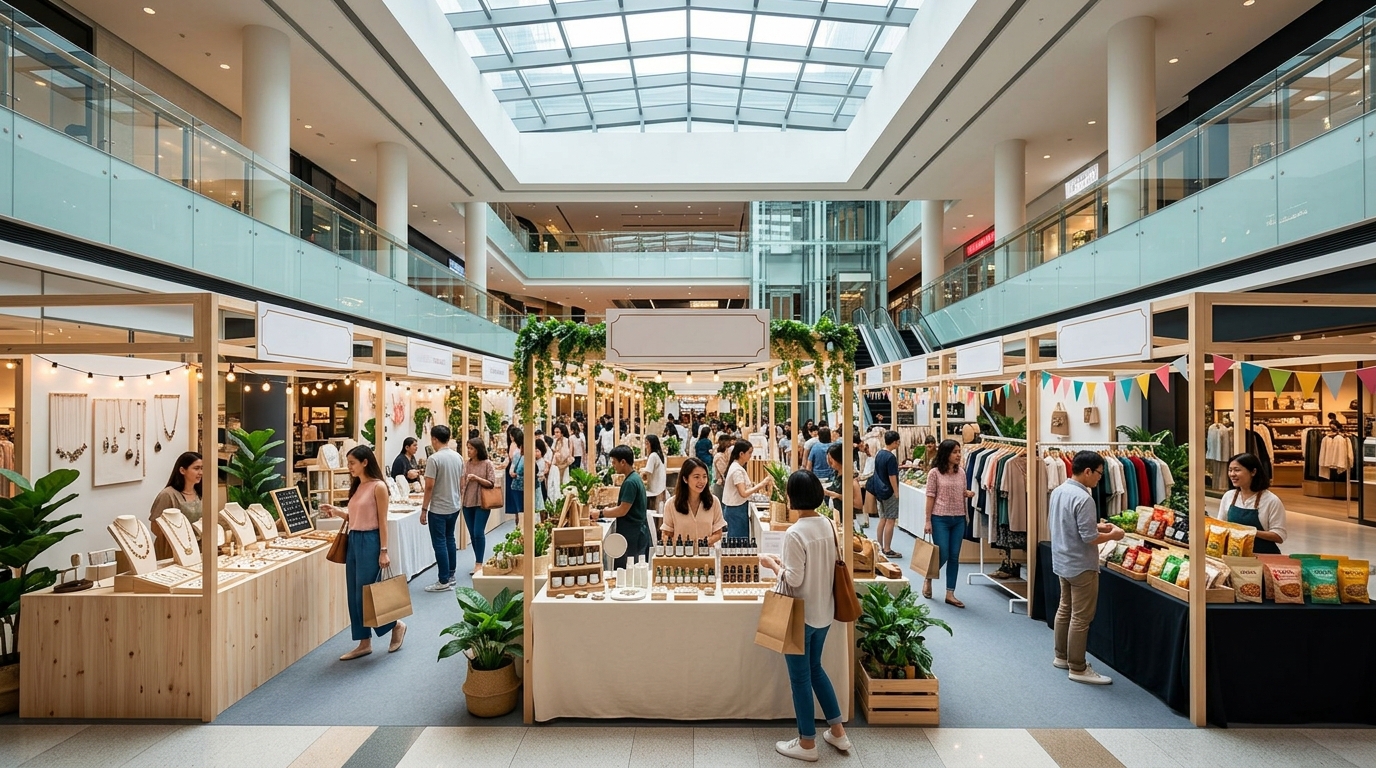
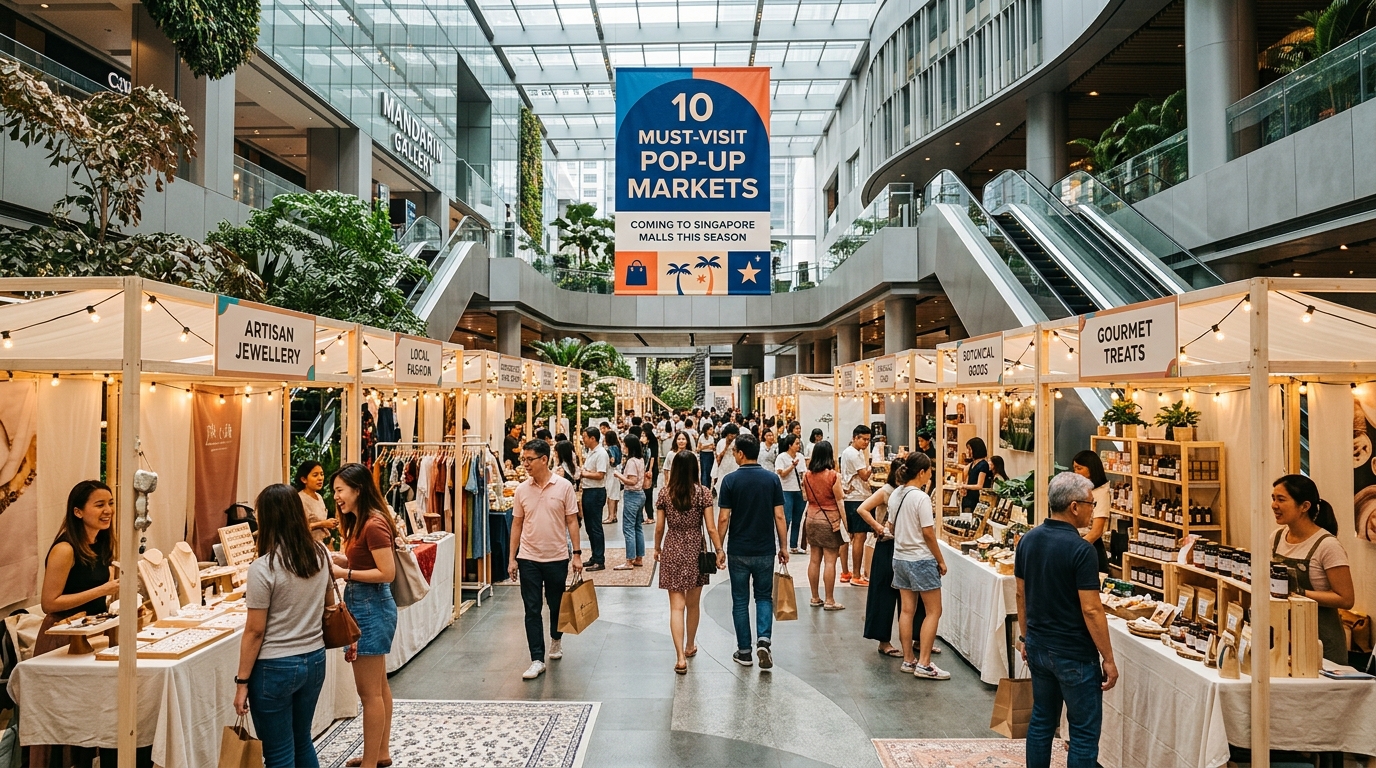
Singapore’s shopping scene has evolved beyond traditional retail stores. Pop up markets now bring fresh energy to malls across the island, offering everything from handcrafted jewelry to artisan snacks. These temporary retail events transform atriums and event spaces into bustling marketplaces where local makers meet shoppers looking for something different.
Pop up markets in Singapore malls offer unique handmade products, local brand discoveries, and experiential shopping events. They typically run on weekends, feature rotating vendors, and provide air-conditioned comfort with easy MRT access. Most markets accept cashless payments and offer exclusive mall promotions for members.
Why pop up markets have taken over Singapore malls
Mall operators noticed a shift in shopper behavior around 2019. People wanted experiences, not just transactions. They craved connection with makers and stories behind products.
Pop up markets filled this gap perfectly.
These temporary retail spaces let small businesses test products without committing to expensive long-term leases. Shoppers get access to items they won’t find in permanent stores. Malls benefit from increased foot traffic and fresh content for social media.
The model works because everyone wins. Vendors gain exposure. Customers find unique goods. Malls stay relevant in an age when online shopping threatens physical retail.
What makes these markets different from regular stores
Walk into any pop up market and you’ll notice the energy feels different. Vendors often run their own booths, answering questions about materials, production methods, and inspiration.
You can watch a leather craftsman stamp initials onto a wallet. A soap maker might let you smell different essential oil combinations. A ceramicist explains why certain glazes crack intentionally for aesthetic effect.
This direct interaction creates value beyond the product itself. You’re not just buying a candle. You’re supporting someone’s creative journey and learning about their craft.
The selection rotates too. Visit the same mall next month and you’ll find different vendors with completely new inventory. This keeps the experience fresh for regular shoppers.
How to find pop up markets happening this weekend
Most malls announce upcoming markets on their official websites and social media channels. Instagram stories often feature vendor previews and special promotions.
Here’s your action plan:
- Follow your favorite malls on Instagram and Facebook for real-time updates
- Check mall websites under their events or happenings sections
- Sign up for mall membership programs that send event calendars via email
- Join local maker and craft communities on Facebook where vendors promote their appearances
- Use Google Maps to search for “pop up market near me” on Friday afternoons when weekend events go live
Many budget-friendly shopping malls host regular monthly markets, making them easier to plan around.
Setting calendar reminders for the first weekend of each month helps you catch recurring markets that happen on predictable schedules.
Best times to visit for the full experience
Timing matters more than you’d think. Show up at opening time and you’ll have first pick of inventory, but you’ll miss the lively atmosphere that builds as crowds arrive.
Late morning between 11 AM and 1 PM hits the sweet spot. Vendors are fully set up and energized. The crowd is present but not overwhelming. You can actually have conversations without shouting.
Avoid the 3 PM to 5 PM rush when families finish lunch and start browsing. Lines get long. Popular items sell out. The noise level makes it hard to hear vendor explanations.
Sunday evenings after 6 PM offer another strategic window. Vendors want to move inventory rather than pack it up. Some offer discounts on remaining stock. The atmosphere is more relaxed as the weekend winds down.
What to bring for a successful market visit
Cash still matters at some booths, even though most vendors now accept PayNow and credit cards. Bring at least $50 in small bills for vendors who haven’t gone fully digital.
A reusable tote bag saves you from juggling multiple small shopping bags. Many vendors appreciate when customers bring their own bags, and some offer small discounts for it.
Your phone needs sufficient battery for PayNow transactions and Instagram-worthy photos. Portable chargers come in handy during long browsing sessions.
Comfortable shoes make a bigger difference than you’d expect. You’ll be standing and walking for at least an hour, often on hard mall floors.
“The best pop up market shoppers come with open minds and empty totes. They ask questions, try samples, and don’t rush the experience. That’s when magic happens.” – Recurring vendor at multiple Singapore mall markets
Common mistakes that waste your time and money
Impulse buying hits differently at pop up markets. The limited-time nature creates urgency that can override practical thinking.
Here’s what trips people up:
| Mistake | Why it happens | Better approach |
|---|---|---|
| Buying duplicates | Vendor A and Vendor B both sell similar items | Do a full lap before purchasing anything |
| Missing vendor details | Forgot to get contact info for restocks | Take business cards or photograph vendor signs |
| Skipping price comparisons | Assumed pop up prices are always better | Check online prices for similar handmade items |
| Ignoring care instructions | Excited about the purchase, didn’t ask about maintenance | Always ask about washing, storage, and durability |
| Paying full price at closing time | Didn’t realize vendors discount near end of day | Return in final hour for potential deals |
The “do a lap first” rule saves the most money. Walk through the entire market, note what catches your eye, then circle back to make purchases. This prevents buying the first nice thing you see only to find something better three booths later.
Types of products you’ll actually find
Pop up markets aren’t just about generic crafts. The product range has become surprisingly sophisticated.
Fashion and accessories:
– Handmade leather goods like wallets, cardholders, and watch straps
– Sterling silver jewelry with local design influences
– Upcycled denim bags and accessories
– Custom embroidered patches and pins
– Sustainable fashion from local designers
Home and lifestyle:
– Scented candles with tropical fragrances
– Ceramic planters and dinnerware
– Art prints featuring Singapore scenes
– Handwoven baskets and storage solutions
– Natural skincare and bath products
Food and beverage:
– Artisan cookies and brownies
– Small-batch coffee beans
– Flavored nuts and granola
– Homemade preserves and sauces
– Specialty teas and brewing equipment
The food items make excellent gifts because they’re consumable. No one needs to find permanent space in their home for another decorative object.
Some vendors at markets in malls with great food courts coordinate their products to complement the dining options, creating a full sensory experience.
How vendors price their handmade goods
Understanding pricing helps you appreciate the value. Most makers use a formula that accounts for materials, labor, overhead, and a reasonable profit margin.
That $45 leather cardholder breaks down roughly like this:
– $12 for quality leather
– $15 for two hours of cutting, stitching, and finishing work
– $8 for booth rental, packaging, and transportation
– $10 profit margin
When you compare this to a mass-produced cardholder at $20, you’re paying extra for durability, uniqueness, and supporting a local maker. The handmade version typically lasts three times longer and develops character as it ages.
Some vendors offer different price points within their range. A simple design might cost $30 while a complex piece with custom details runs $80. This lets shoppers choose based on budget while still supporting the maker.
Getting the most value from your visit
Smart shoppers treat pop up markets as entertainment plus shopping. The experience itself has value beyond the products you take home.
Bring a friend who appreciates handmade goods. You can split up to cover more ground, then reconvene to share discoveries. Two sets of eyes catch different interesting items.
Take advantage of maker knowledge. Ask about techniques, materials, and care tips. This information makes you a more informed consumer for future purchases.
Many vendors offer first-time customer discounts if you follow them on Instagram. A simple “I’ll follow you right now” can save $5 to $10 on your purchase.
Bundle buying sometimes works. If you’re getting multiple items from one vendor, ask if they can offer a small discount for buying several pieces. The worst they can say is no.
Mall membership programs occasionally offer extra perks during pop up market weekends, like additional vouchers or early access hours.
Supporting local makers beyond the market
The relationship doesn’t have to end when the market closes. Most vendors maintain online shops, Instagram accounts, or take custom orders.
Following makers on social media keeps you updated on:
– New product launches
– Restocks of popular items
– Future market appearances
– Online-only promotions
– Behind-the-scenes content about their creative process
Some vendors offer loyalty perks for repeat customers. Buy three items over time and get the fourth at a discount. Refer a friend and receive a small gift with your next purchase.
Leaving honest reviews helps small businesses grow. A thoughtful Google review or Instagram story tag means more to a solo maker than it does to a large corporation.
Word-of-mouth recommendations matter too. When someone compliments your handmade bag, tell them where you got it and how to find the maker. This organic promotion helps vendors build sustainable businesses.
Making pop up market shopping a regular habit
Once you experience the energy of a good market, regular mall shopping feels flat. The human connection and product uniqueness become addictive in the best way.
Setting a monthly budget for market shopping keeps it sustainable. Maybe you allocate $50 to $100 per month specifically for supporting local makers. This prevents overspending while ensuring you can participate regularly.
Treating markets as weekend entertainment rather than just shopping changes the value equation. You’re not spending money on products alone. You’re investing in experiences, conversations, and community connection.
Some shoppers make it a standing date. Every first Saturday, they visit whatever market is happening. This creates anticipation and turns shopping into a ritual rather than a chore.
Parents find that planning family shopping days around pop up markets works better than dragging kids through regular stores. The variety and activity keep children engaged.
Where this shopping trend is heading
Pop up markets continue evolving as vendors and mall operators learn what works. Expect to see more specialized themes like sustainable goods only, vintage and upcycled items, or tech accessories and gadgets.
Some malls now dedicate permanent flexible spaces for rotating pop ups rather than one-off events. This creates consistency for shoppers who know they can always find something new in a specific location.
Hybrid models are emerging too. Vendors might have a permanent online presence but do in-person sales exclusively through markets. This keeps overhead low while maintaining customer touchpoints.
The quality bar keeps rising. Early pop up markets had inconsistent vendor quality. Now, malls curate carefully, ensuring every booth meets standards for craftsmanship and presentation.
Technology integration is increasing. QR codes link to product videos. Augmented reality lets you visualize how a print would look on your wall. Digital portfolios show custom work examples.
Your next steps for finding great markets
Start with malls you already visit regularly. Check their event calendars this week to see what’s coming up. Most post schedules at least two weeks in advance.
Pick one market to attend this month. Go with the mindset of browsing and learning rather than buying. Talk to three vendors about their process. Take notes on what you learn.
If you find a vendor whose work resonates, follow them online and track when they’ll appear at other markets. This helps you discover new market locations you might not have known about.
Consider the seasonal timing too. Markets ramp up before major holidays like Chinese New Year, Mother’s Day, and Christmas. These events feature more vendors and special edition products.
Weekend sales and promotions at malls sometimes coincide with pop up markets, letting you maximize value across both experiences.
Why these markets matter for Singapore’s creative economy
Beyond the shopping experience, pop up markets serve a larger purpose in Singapore’s economic ecosystem. They provide low-risk testing grounds for creative entrepreneurs who might not have access to traditional retail capital.
A maker can invest $500 in materials and a booth fee to test market response. If products sell well, they can scale up. If not, they’ve learned valuable lessons without signing a year-long lease.
This accessible entry point has launched numerous successful Singapore brands. What started as a weekend side hustle at a mall market becomes a full-time business with wholesale accounts and international shipping.
The markets also preserve traditional crafts by making them economically viable. Young artisans can earn income from skills like leather working, ceramics, and metalsmithing that might otherwise disappear.
For shoppers, this means access to a constantly refreshing selection of locally made goods that reflect Singapore’s creative diversity.
Making your market visits count
Pop up markets offer something increasingly rare in modern retail: genuine human connection around products that matter. The makers care about their work. The shoppers appreciate craftsmanship. The malls provide the meeting ground.
Your next weekend doesn’t have to be another routine trip to the same stores. Check what markets are happening, grab a friend, and spend a few hours supporting local creativity. You’ll leave with unique items, new knowledge, and maybe even a few maker friends whose work you’ll follow for years.
The best part? There’s always another market next weekend, with completely different vendors and products to discover. That’s the beauty of Singapore’s thriving pop up market scene.