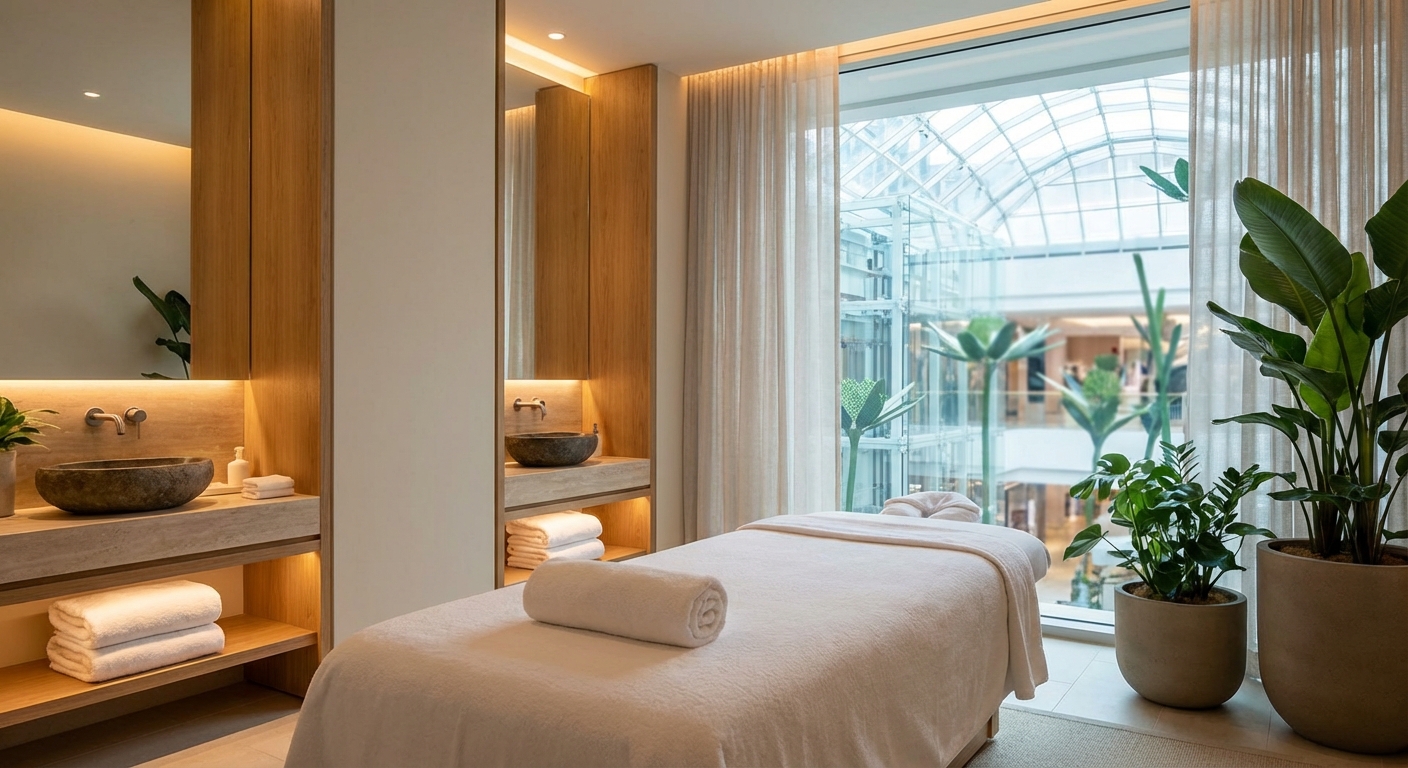

10 Best Spa and Wellness Centers in Singapore Malls for Ultimate Relaxation
Finding a moment to breathe in Singapore’s fast-paced environment feels impossible. You’re juggling work deadlines, family commitments, and social obligations. But what if the best spa in Singapore was just a few floors above your favorite lunch spot? Mall-based wellness centers are changing how busy professionals and tourists access quality relaxation services without the hassle of traveling to standalone locations.
Singapore’s shopping malls host world-class spa and wellness centers offering traditional massages, modern facials, and holistic treatments. These convenient locations provide same-day bookings, transparent pricing, and easy access via MRT, making them perfect for busy schedules. Expect to pay between $80 and $300 for treatments, with membership programs offering significant savings for regular visitors seeking consistent self-care routines.
Why mall-based spas are winning over Singapore visitors
Mall spas solve a real problem.
You don’t need to plan an entire afternoon around a massage. Book a 60-minute session during your lunch break. Grab a facial before dinner. Pick up groceries after your treatment.
The best spa in Singapore isn’t always hidden in a quiet residential area. Many award-winning wellness centers operate inside shopping complexes because they understand modern lifestyles.
Parking is sorted. Food options surround you. Your kids can play at nearby entertainment zones while you decompress.
Transportation becomes effortless when navigating Orchard Road’s shopping malls like a local connects you to multiple spa options within walking distance.
What makes a spa worth your time and money
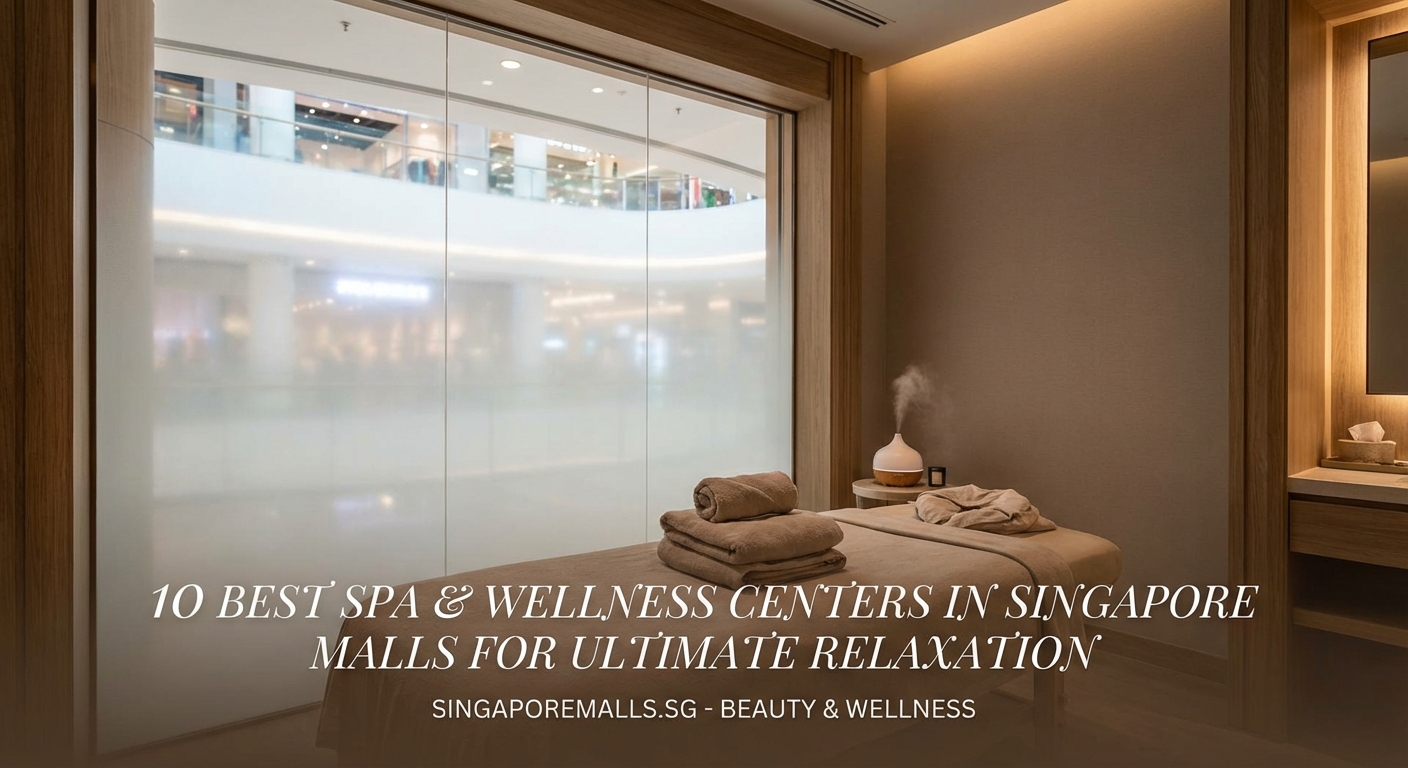
Not all massage tables are created equal.
Here’s what separates mediocre experiences from genuinely restorative ones:
- Therapist qualifications: Look for centers employing certified professionals trained in specific modalities like Swedish, deep tissue, or traditional Chinese massage
- Product quality: Premium spas use organic oils, natural ingredients, and pharmaceutical-grade skincare products
- Hygiene standards: Clean linens, sanitized equipment, and proper ventilation are non-negotiable
- Treatment variety: The best facilities offer multiple services so you can customize your wellness routine
- Booking flexibility: Same-day appointments and extended hours accommodate unpredictable schedules
Price doesn’t always indicate quality. A $200 facial at a luxury hotel might use the same products as a $120 treatment at a reputable mall spa.
How to choose the right treatment for your needs
Your body tells you what it needs.
That persistent shoulder tension? You need deep tissue work, not a gentle aromatherapy massage. Dull skin from air-conditioned offices? Skip the basic facial and opt for hydrating treatments with vitamin-infused serums.
| Concern | Recommended Treatment | Typical Duration | Expected Results |
|---|---|---|---|
| Muscle tension from desk work | Deep tissue or sports massage | 60-90 minutes | Immediate relief, improved mobility |
| Stress and poor sleep | Aromatherapy massage with lavender | 90 minutes | Relaxation, better sleep quality |
| Dehydrated skin | Hydrating facial with hyaluronic acid | 60-75 minutes | Plumper skin, reduced fine lines |
| Body aches and stiffness | Traditional Chinese massage (Tui Na) | 60 minutes | Pain reduction, energy flow |
| Jet lag and fatigue | Reflexology foot massage | 45-60 minutes | Restored energy, mental clarity |
Ask therapists about their training. Good professionals will explain why they recommend specific techniques for your situation.
Don’t book the longest, most expensive package on your first visit. Start with a standard session to test the facility’s quality and therapist compatibility.
Step-by-step booking process for first-timers
Getting your first spa appointment shouldn’t feel complicated.
- Research online reviews: Check Google ratings and recent feedback focusing on cleanliness, staff professionalism, and treatment effectiveness
- Call ahead for consultation: Speak with reception about your concerns and ask which therapist specializes in your needed treatment
- Inquire about promotions: Many mall spas offer first-time visitor discounts or weekday specials that can save 20-30%
- Arrive 15 minutes early: Complete health questionnaires and discuss any injuries or medical conditions with your therapist
- Communicate during treatment: Speak up if pressure is too intense or if you’re uncomfortable at any point
- Book your next session before leaving: Regular treatments provide cumulative benefits, and advance booking secures preferred time slots
Some centers require deposits for weekend appointments. This protects their schedule but also means you should be certain about your timing.
“The difference between a good spa and a great spa is how well they listen. Your therapist should adjust techniques based on your feedback, not follow a rigid routine. If they don’t check in during the session, that’s a red flag.” — Licensed massage therapist with 12 years of experience in Singapore wellness centers
Understanding pricing and membership programs
Transparency matters when you’re investing in self-care.
Standard pricing for the best spa in Singapore typically ranges:
- 60-minute body massage: $80-$150
- 90-minute body massage: $120-$200
- Facial treatments: $100-$250
- Body scrubs and wraps: $150-$300
- Combination packages: $200-$400
Membership programs make financial sense if you visit monthly. Most offer 20-30% discounts plus perks like complimentary upgrades, priority booking, and birthday specials.
Calculate your annual spa budget. If you spend $150 monthly on treatments, a $200 annual membership that saves 25% per visit pays for itself in two months.
Watch for hidden costs. Some facilities charge extra for premium oils, extended steam room access, or weekend appointments. Ask for the total price before confirming your booking.
Mall membership programs sometimes include spa discounts alongside retail and dining benefits.
Common mistakes that ruin your spa experience
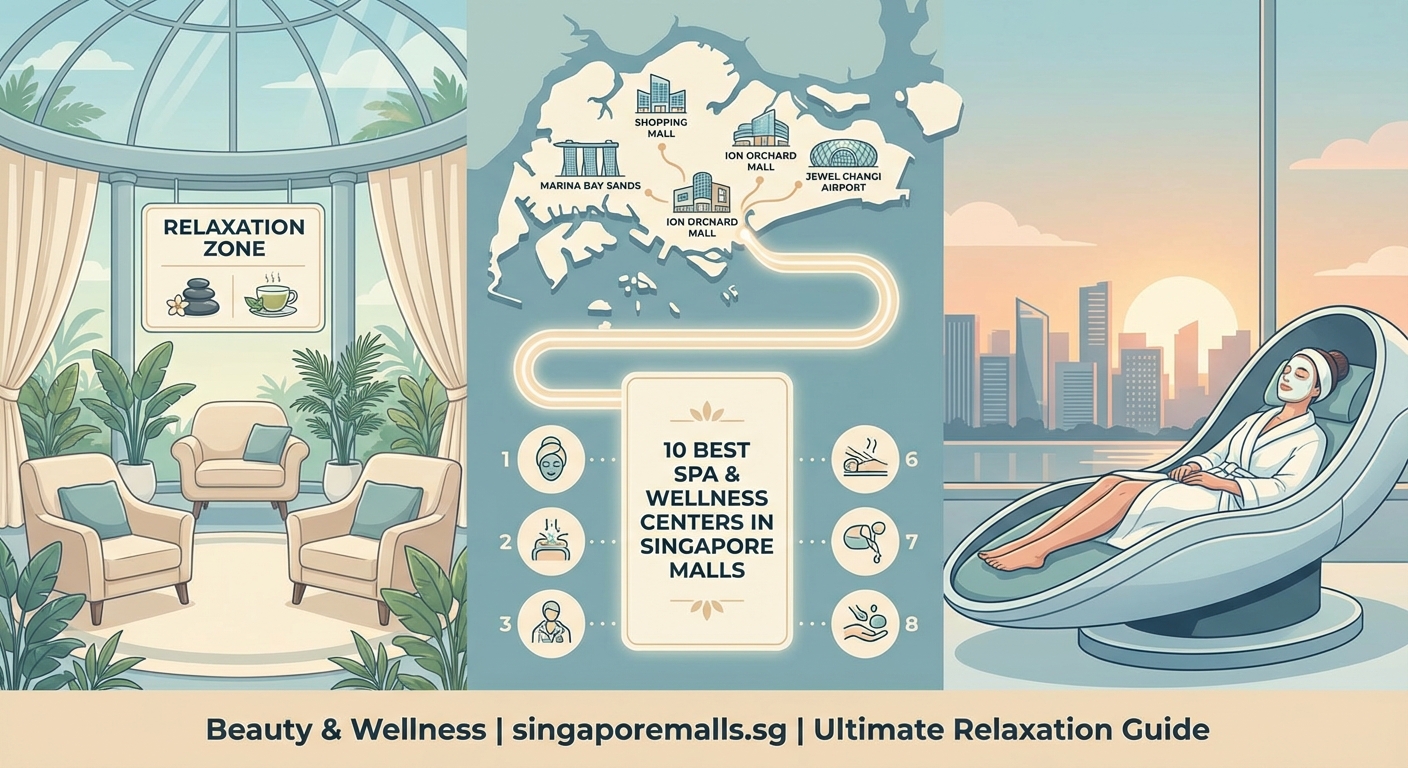
You can sabotage your own relaxation without realizing it.
Eating a heavy meal right before: Your body diverts blood flow to digestion, making you uncomfortable during massage. Eat light or wait two hours after substantial meals.
Arriving stressed and rushed: Racing from a meeting to your appointment means your nervous system stays activated. Build in buffer time to decompress.
Skipping the consultation: Therapists need to know about recent injuries, surgeries, or conditions like high blood pressure. Withholding information can lead to inappropriate techniques.
Checking your phone: Notifications destroy the mental benefits of spa treatments. Turn your device completely off or leave it in your locker.
Booking back-to-back appointments: Your body needs time to process the treatment. Schedule at least 30 minutes after your session before jumping into other activities.
Ignoring hydration: Massage releases toxins into your bloodstream. Drink water before and after to help your body flush these out effectively.
What to expect during your first visit
Walking into an unfamiliar spa feels intimidating.
Reception will greet you and offer tea or water. You’ll fill out a brief health form asking about allergies, injuries, and medical conditions.
A staff member escorts you to the changing area. Most provide lockers, robes, and disposable slippers. You’ll typically undress to your comfort level and lie on the treatment table under a sheet.
Your therapist knocks before entering. They’ll review your consultation form and ask about pressure preferences and focus areas.
During the treatment, you can request adjustments at any time. Too cold? Ask for an extra blanket. Pressure too light? Speak up.
Afterward, you’ll have time to dress slowly. Don’t rush this transition. Your blood pressure drops during massage, and standing too fast can cause dizziness.
Reception will offer water and might suggest retail products. You’re never obligated to buy anything. Tip 10% if service exceeded expectations, though some high-end establishments include gratuity in their pricing.
How location affects your spa choice
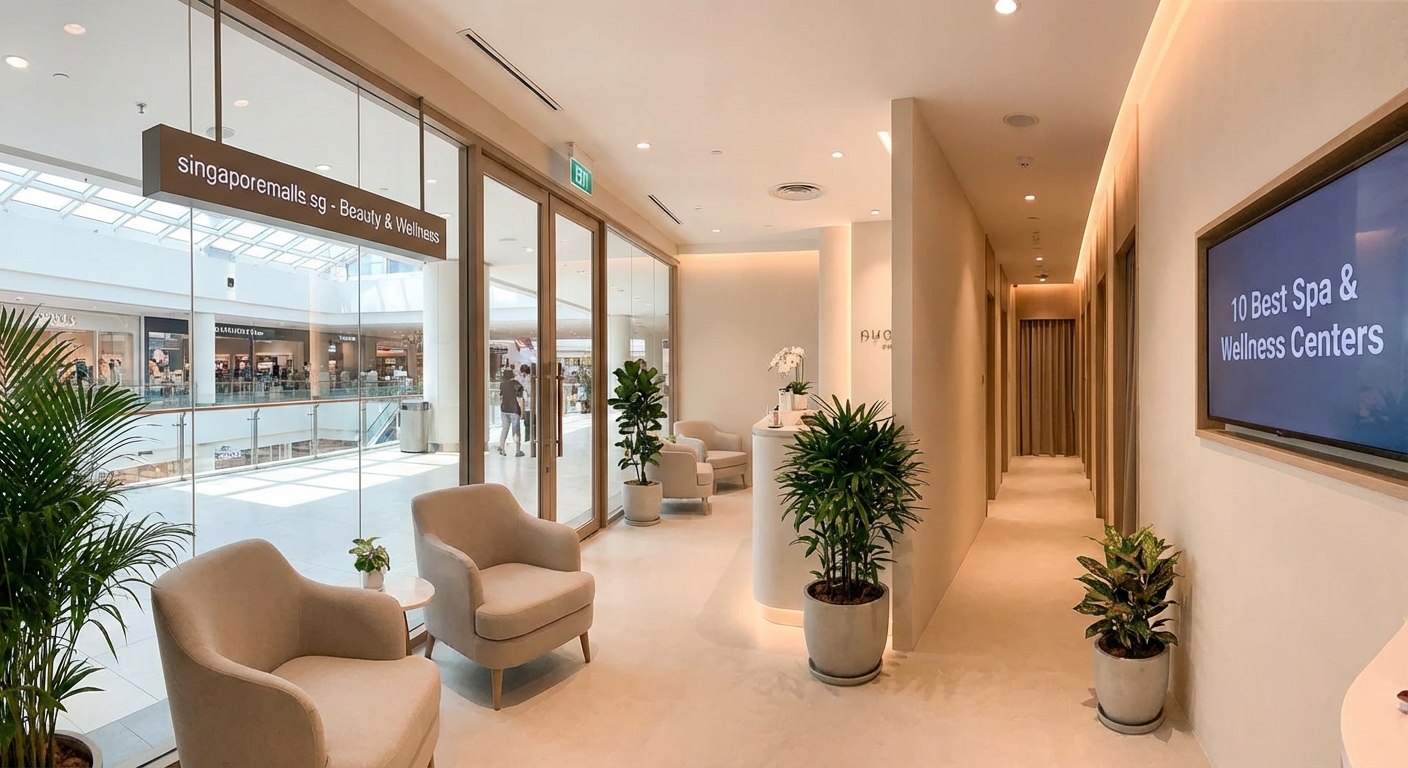
Not all mall locations offer the same experience.
Orchard Road spas cater to tourists and shoppers seeking convenience between retail therapy sessions. They’re busier on weekends but offer extended hours.
Marina Bay and downtown locations attract business professionals who book lunchtime appointments. These centers often provide express services designed for time-crunched schedules.
Suburban mall spas like those in Jurong or Tampines serve local residents. They’re typically less crowded and offer better value pricing than central locations.
Airport spas at Jewel Changi specialize in treatments for travelers dealing with jet lag and long flights.
Consider your regular routes. The best spa in Singapore for you is one you’ll actually visit consistently. If you work near City Hall, don’t commit to a membership at a Woodlands location you’ll never reach.
Combining spa visits with other mall activities
Smart planning maximizes your time.
Schedule your spa appointment between other errands. Get your massage, then browse hidden gem cafes while your body continues relaxing.
Many wellness centers sit near food courts where you can grab a nutritious post-treatment meal without traveling far.
If you’re bringing family, coordinate timing with kids’ play areas so everyone enjoys their afternoon.
Rainy day mall activities pair perfectly with spa visits when weather disrupts outdoor plans.
Traditional versus modern spa approaches
Singapore’s wellness scene blends Eastern and Western philosophies.
Traditional Chinese Medicine (TCM) spas focus on energy meridians and balance. Treatments like Tui Na massage and cupping address internal health issues, not just surface-level relaxation. These require multiple sessions for full benefits.
Modern Western spas emphasize immediate stress relief and cosmetic results. They use technology like LED light therapy, microcurrent facials, and hot stone massage.
Hybrid centers offer both approaches. You might start with a TCM consultation, then book a Swedish massage with aromatherapy oils.
Neither approach is superior. Your choice depends on whether you’re treating specific health concerns or seeking general relaxation.
Traditional Chinese medicine shops often operate alongside spa facilities, providing herbal supplements to complement treatments.
When to book appointments for best availability
Timing determines your options.
Weekday mornings between 10 AM and 2 PM offer the most availability. Therapists have energy, facilities are quiet, and you avoid the after-work rush.
Friday evenings and weekends book solid weeks in advance. If these are your only options, reserve at least two weeks ahead.
Public holidays see mixed patterns. Some people travel, creating openings. Others use the time off for self-care, filling schedules completely.
Same-day appointments work best on Monday and Tuesday mornings. Call when the center opens to snag cancellations.
Avoid booking during lunch hours (12-2 PM) if you want a peaceful environment. Many professionals squeeze in treatments during their break, creating crowded waiting areas.
Secret shopping hours sometimes apply to spa bookings, with early morning or late evening slots offering reduced rates.
Red flags that signal you should look elsewhere
Trust your instincts about spa quality.
Walk away if the reception area looks dirty or smells musty. Hygiene standards should be immediately obvious.
Pushy sales tactics for products or package deals indicate profit prioritization over client care. Good spas make suggestions but never pressure.
Vague pricing or reluctance to provide written cost breakdowns suggests hidden fees. Legitimate businesses offer transparent pricing.
Therapists who don’t wash hands before treatments or reuse towels between clients violate basic sanitation protocols.
Extremely cheap prices often mean undertrained staff, diluted products, or rushed treatments that provide minimal benefit.
Negative patterns in recent reviews about cleanliness, professionalism, or safety deserve serious attention. One bad review happens. Ten similar complaints reveal systemic problems.
Making spa visits a sustainable self-care habit
Occasional treatments feel nice. Regular sessions transform your wellbeing.
Schedule recurring appointments like any other important commitment. Monthly massages prevent chronic tension better than sporadic visits when pain becomes unbearable.
Track how different treatments affect your energy, sleep, and stress levels. This data helps you refine your wellness routine.
Budget for spa care as a health expense, not a luxury splurge. Preventive self-care costs less than medical treatment for stress-related conditions.
Find an accountability partner. Book appointments with a friend so you’re both committed to showing up.
Affordable beauty services complement spa treatments when building a comprehensive self-care routine.
Your path to consistent relaxation starts here
The best spa in Singapore isn’t the most expensive or the most exclusive. It’s the one that fits your schedule, meets your specific needs, and provides consistent quality you can trust.
Start with one treatment this month. Notice how your body responds. Pay attention to which techniques provide lasting relief versus temporary comfort.
Build from there. Maybe you need monthly deep tissue work and quarterly facials. Perhaps weekly reflexology sessions manage your chronic stress better than anything else.
Your wellness routine should evolve with your life. New job stress might require more frequent visits. Improved fitness might shift your focus from pain relief to maintenance.
The important thing is starting. Book that first appointment. Give yourself permission to prioritize rest in a city that never stops moving. Your body and mind will thank you for it.