
Singapore’s Malls Are Redefining Retail with Integrated Lifestyle Experiences in 2026
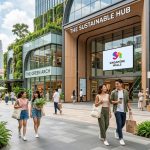
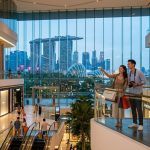
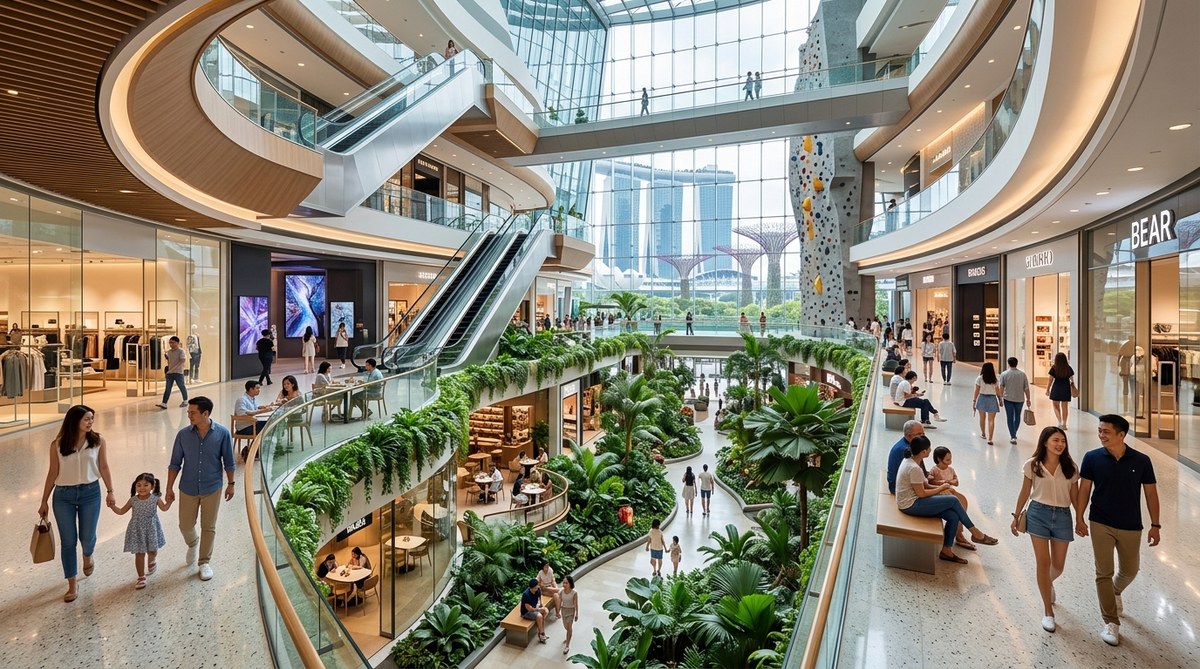
Walk through any major shopping center in Singapore today and you will notice something has shifted. The corridors feel less like retail aisles and more like community living rooms. People are gathering over a hot yoga class, browsing a pop-up art gallery, or sharing a meal at a rooftop farm-to-table restaurant. Shopping is no longer the main event. It is just one part of a larger, more meaningful experience. For retail professionals, mall operators, and real estate investors, this change signals something important: the traditional mall model is being rewritten. In 2026, Singapore’s malls are leading a regional shift toward integrated lifestyle destinations that blend commerce, culture, wellness, and community.
Singapore malls in 2026 are moving beyond retail to become lifestyle hubs. Key trends include wellness integration, smart technology adoption, sustainability features, and community focused programming. For operators, success depends on curating experiences that keep visitors coming back. Investors should look for properties that prioritize flexible space, green design, and digital engagement over traditional tenant mix alone.
Why Lifestyle Integration Is the New Standard
The term “shopping mall” feels almost outdated now. Developers across Singapore are rebranding their properties as lifestyle destinations, and for good reason. Foot traffic data from the first half of 2026 shows that malls with strong lifestyle components are seeing 20 to 30 percent more repeat visits compared to traditional retail heavy centers. Visitors are not just coming to buy a pair of shoes. They are coming for a cooking class, a meditation session, or a co-working afternoon.
Take a look at how properties are being reconfigured. Where you once saw rows of clothing boutiques, you now find fitness studios, wellness clinics, and community event spaces. This is not a niche experiment. It is becoming standard practice across both luxury and neighborhood malls.
“The mall of the future is a third place, not a third choice. If people feel connected to the space emotionally, they will spend time and money there naturally.” – Industry observation shared at the 2026 Asia Retail Innovation Summit
The Six Trends Driving Singapore Mall Evolution in 2026
Here is a breakdown of the most important shifts happening right now.
Wellness as a Core Anchor
Wellness is no longer tucked away in a corner near the food court. In 2026, it occupies prime real estate. Major malls now feature multi-level wellness centers that combine medical aesthetics, traditional Chinese medicine, physiotherapy, and mental wellbeing services. Some properties have added dedicated “quiet zones” with soundproof pods for meditation or remote work.
Malls like those with dedicated spa and wellness centers are seeing longer dwell times from visitors who book a full afternoon of treatments followed by a healthy meal. The key is creating a seamless journey from retail to relaxation.
Smart Technology That Feels Invisible
Technology works best when you do not notice it. Singapore malls are investing in systems that make visits smoother without feeling intrusive. Smart parking guidance, AI powered wayfinding, and personalized promotion delivery through mall apps are now table stakes.
Some malls have introduced virtual try on stations for beauty products and clothing. These are not gimmicks. They reduce the friction of decision making and help customers buy with confidence. If you are looking for the best places to test tech before you buy, these interactive zones are a major draw.
Sustainability Beyond Greenwashing
Eco-conscious design has moved from marketing badge to operational necessity. Malls in Singapore are installing solar panels, harvesting rainwater, and using reclaimed materials in renovation projects. Rooftop gardens are becoming standard, not just for aesthetics but for urban cooling and local food production.
Several new developments have achieved net zero energy status. For investors, this is not just about reputation. Green certified buildings command higher rental rates and attract tenants who prioritize sustainability in their own brand values.
Community Programming That Builds Loyalty
The most successful malls in 2026 treat their calendar like a media company. Weekly events, seasonal festivals, and local partnerships keep the space feeling alive. Instead of relying solely on national holidays, malls are creating their own traditions.
You will find everything from weekend farmer’s markets to late night music sessions. Families appreciate free entertainment options that do not require spending. Young professionals look for networking evenings. Retirees enjoy morning tai chi groups in air conditioned atriums. The diversity of programming ensures everyone feels welcome.
Flexible Leasing and Pop Up Culture
Long term leases are no longer the only option. Malls are reserving 15 to 25 percent of their floor space for short term pop ups, rotating concepts, and local brands. This keeps the tenant mix fresh and gives shoppers a reason to return.
Pop up markets have become a major traffic driver. Seasonal themes, collaborations with local artists, and limited edition product drops create urgency. For smaller brands, this is a low risk way to test physical retail. For malls, it is a constant source of new energy.
Food as a Destination, Not an Afterthought
Food courts still exist, but the dining experience has been elevated significantly. Rooftop bars, chef collaborations, and international food halls are drawing crowds well past traditional dinner hours. Late night dining is booming, especially in malls located near residential clusters.
If you are planning a visit, knowing which malls stay open past midnight can make a big difference. The line between mall and entertainment district is blurring.
A Practical Framework for Evaluating Mall Investments
For real estate investors and operators, understanding these trends is one thing. Applying them is another. Here is a simple three step process to assess any property’s readiness for the 2026 market.
- Audit the tenant mix for lifestyle balance. Count the percentage of space dedicated to pure retail versus experiences, wellness, food, and community. Aim for at least 40 percent experiential.
- Review digital engagement tools. Does the property have a functional app? Are there smart features like real time crowd data or personalized offers? If not, that is a gap.
- Check the programming calendar. Look at the last three months of events. Are there at least two to three community focused activities per week? Consistency matters more than scale.
Common Pitfalls When Adapting to New Mall Trends
| Mistake | Why It Hurts | Better Approach |
|---|---|---|
| Adding wellness without curation | Random clinics and gyms do not create a cohesive experience | Curate wellness around a theme like holistic health or athletic performance |
| Investing in tech that frustrates users | Buggy apps or confusing kiosks drive people away | Test every digital touchpoint with real users before launch |
| Ignoring the neighborhood context | A luxury spa does not fit in a family oriented suburban mall | Match programming and tenants to the local demographic |
| Treating events as occasional extras | Sporadic programming fails to build habits | Commit to a weekly rhythm that becomes part of people’s routines |
How to Put These Trends Into Practice
If you are involved in mall operations or investment, here are some actionable steps based on what is working in 2026.
Start by walking your property with fresh eyes. Map out every square foot and ask yourself: does this space add value to someone’s day, or does it just hold inventory? The answer will guide your decisions.
Next, talk to your existing tenants about their challenges. Many retailers are open to sharing space, running joint promotions, or participating in cross brand events. Collaboration often yields better results than competition.
Finally, study the data. Foot traffic patterns, dwell times, and spending per visit tell a clear story. If people are leaving quickly, the experience is not sticky enough. Tracking real time promotions and offers can help you understand what actually drives conversions.
What This Means for Singapore’s Retail Landscape
The shift toward integrated lifestyle experiences is not a short term fad. It reflects deeper changes in how people value their time and money. In a city where space is limited and expectations are high, malls must earn every visit.
The properties that thrive in 2026 and beyond will be those that treat themselves as community platforms rather than lease collection boxes. They will prioritize emotional connection over transaction volume. They will measure success not just by sales per square foot, but by smiles per hour.
For retail professionals, the message is clear: adapt your strategy to match the new reality. For mall operators, invest in spaces that feel alive. For investors, look for properties that have already embraced this shift or show strong potential to do so.
Singapore’s malls are rewriting the rulebook. The ones that lead this transformation will define the city’s retail identity for the next decade. Whether you are visiting for a meal, a workout, or just a moment of calm, the new generation of malls has something to offer. And that is exactly the point.