
Traditional Chinese Medicine and Holistic Health Shops in Singapore Malls
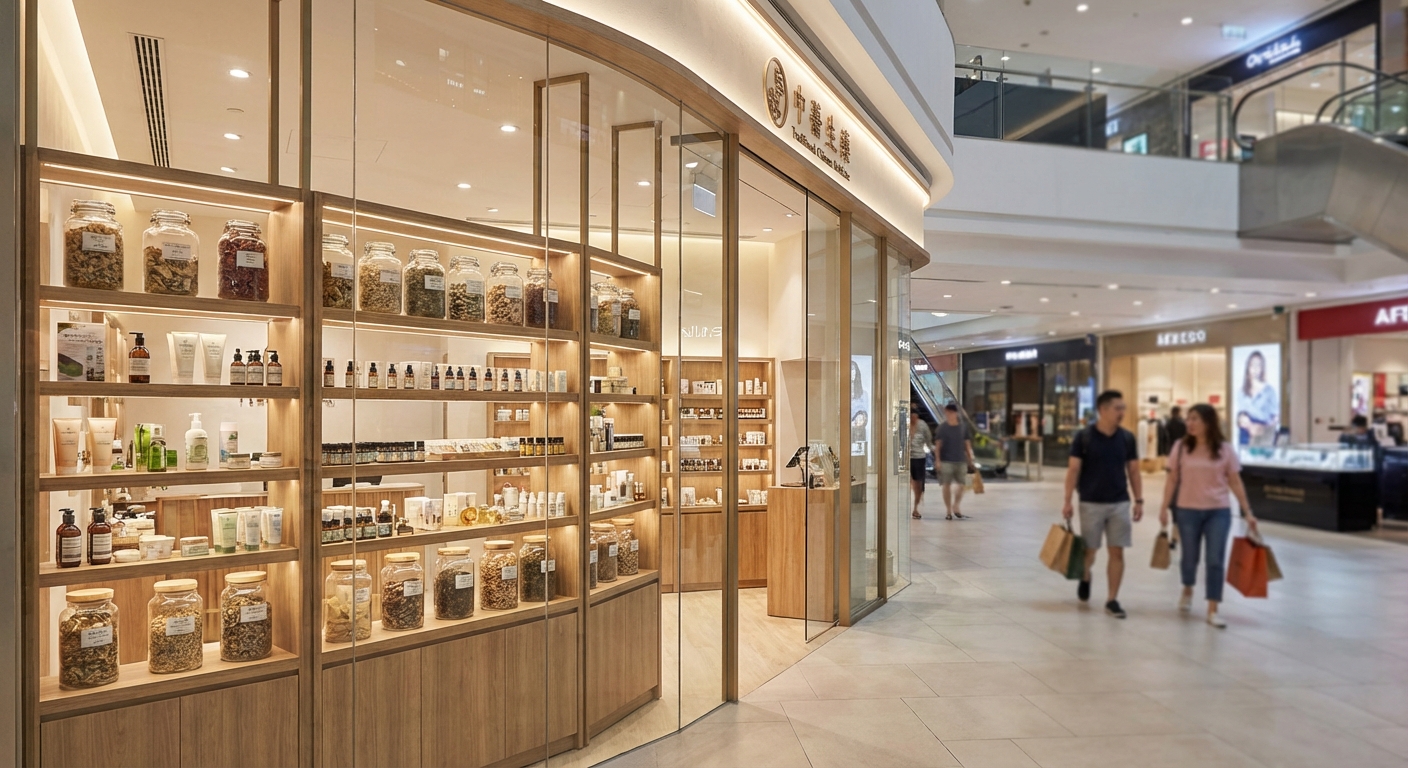
Singapore’s shopping malls have become unexpected wellness hubs, housing some of the city’s most reputable traditional chinese medicine singapore practitioners alongside your favorite retail stores. You can now book acupuncture sessions, pick up herbal remedies, and consult TCM physicians without venturing into Chinatown or specialized medical districts. This convenience has transformed how locals approach preventive healthcare and chronic condition management.
Traditional Chinese medicine services in Singapore malls offer convenient access to acupuncture, herbal consultations, cupping therapy, and wellness treatments. Major chains like Eu Yan Sang and Ma Kuang operate in accessible locations across Orchard Road, Jurong, and central districts. Mall-based TCM combines modern facilities with centuries-old healing practices, making holistic healthcare easier for busy professionals and families.
Why Singapore malls became TCM wellness destinations
Shopping centers recognized that health-conscious consumers wanted more than retail therapy. They needed actual therapy.
Mall operators started leasing space to established TCM chains around 2010. The trend accelerated as younger Singaporeans showed renewed interest in preventive medicine and natural remedies. Today, you’ll find full-service TCM clinics next to cafes and bookstores.
The setup works for everyone. Clinics get high foot traffic and convenient MRT access. Shoppers can squeeze in a consultation between errands. Families can visit practitioners while kids play at nearby activity centers.
Location matters more than you’d think. A TCM clinic at how to navigate orchard roads shopping malls like a local means you can combine your wellness appointment with other tasks. No separate trip to an industrial medical building.
Major TCM chains you’ll find in shopping centers
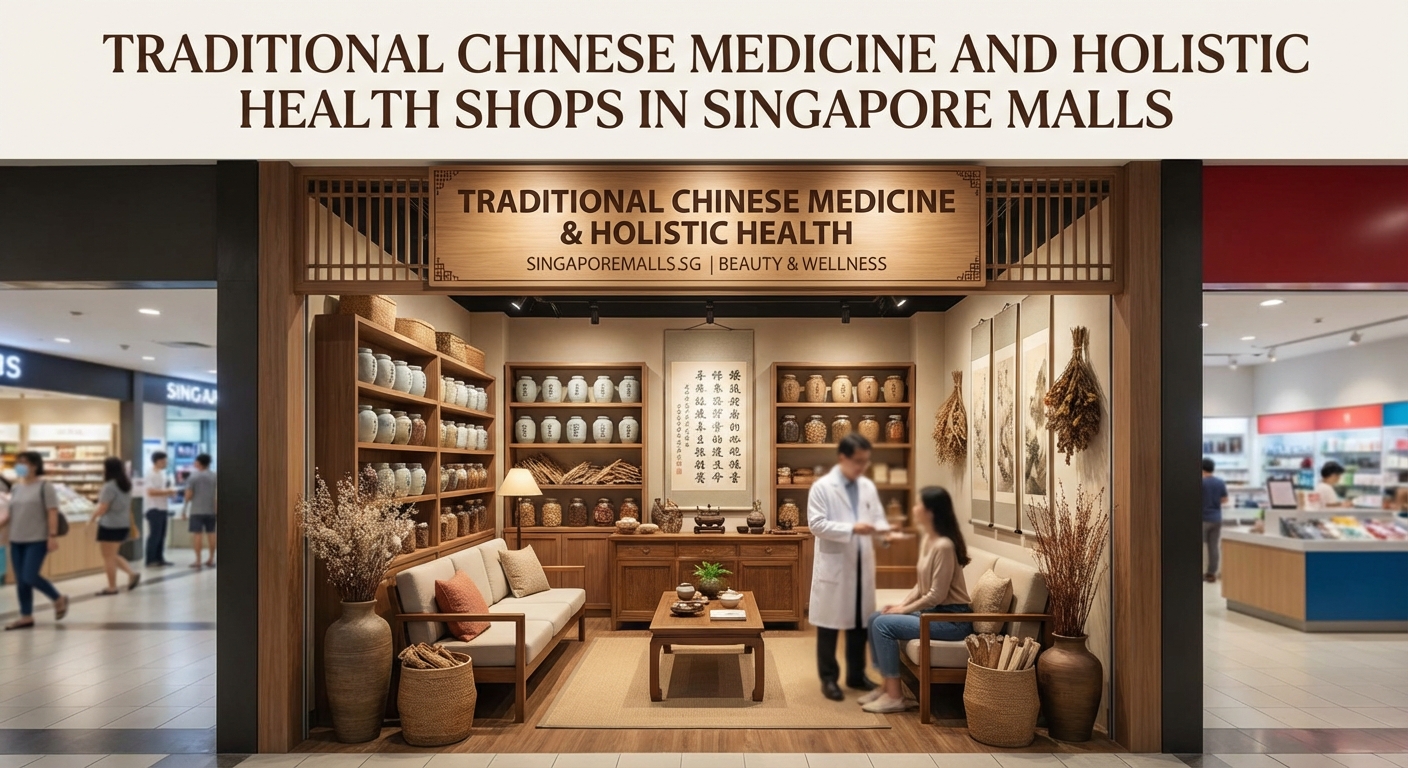
Several established names dominate the mall TCM landscape.
Eu Yan Sang operates the most visible presence, with outlets in ION Orchard, VivoCity, Tampines Mall, and Jurong Point. They’ve been in business since 1879, which gives nervous first-timers some confidence. You can buy pre-packaged herbs off the shelf or consult their physicians for customized prescriptions.
Ma Kuang Healthcare Group runs clinics in multiple malls including Parkway Parade, Hougang Mall, and Bedok Mall. They focus on acupuncture and pain management, attracting office workers dealing with back problems and repetitive strain injuries.
Beijing Tong Ren Tang brings mainland Chinese expertise to locations like Raffles City and Plaza Singapura. Their physicians trained in traditional apprenticeship systems, which appeals to patients seeking authentic lineage-based practice.
Chung Hwa Medical Institution maintains a strong presence in heartland malls. Their Ang Mo Kio and Bedok branches see steady streams of elderly patients who prefer familiar neighborhood settings.
Smaller independent clinics fill gaps in the market. Some specialize in fertility support, others in sports injuries or pediatric care. Mall management typically vets these operators carefully to maintain reputation standards.
Services you can actually get at mall TCM clinics
The range surprises people expecting just herbal teas and massage.
Diagnostic consultations
Physicians perform pulse diagnosis, tongue examination, and detailed health history reviews. Initial consultations typically last 30-45 minutes. They’ll ask about sleep patterns, digestion, stress levels, and menstrual cycles for women. This holistic assessment identifies imbalances before they become serious conditions.
Acupuncture and related therapies
Most mall clinics have private treatment rooms for acupuncture sessions. Expect to spend 45-60 minutes per session. Practitioners also offer:
- Cupping therapy for muscle tension and circulation
- Moxibustion using heated mugwort to stimulate specific points
- Gua sha scraping techniques for pain relief
- Tuina therapeutic massage
Herbal medicine dispensing
After diagnosis, physicians prescribe customized herbal formulas. Modern clinics offer three formats:
- Traditional raw herbs you boil at home (cheapest but time-consuming)
- Concentrated granules you mix with hot water (convenient middle ground)
- Pre-made pills or capsules (most expensive but travel-friendly)
Retail sections sell ready-made remedies for common issues like colds, indigestion, and menstrual cramps. Staff can explain ingredients and proper usage.
Wellness packages
Many clinics bundle services for chronic conditions. A back pain package might include six acupuncture sessions plus herbal supplements. Fertility support programs combine acupuncture, dietary counseling, and specific herb formulas over several months.
How to choose the right mall TCM clinic for your needs
Not all practitioners suit all patients. Here’s what to check before booking.
Physician qualifications matter. Singapore requires TCM practitioners to register with the Traditional Chinese Medicine Practitioners Board. Ask about their training background. Mainland Chinese universities produce different practitioners than local Singapore College of Traditional Chinese Medicine graduates. Neither is better, just different approaches.
Specialization affects outcomes. Some physicians excel at pain management, others at women’s health or pediatrics. Check clinic websites or call ahead to match your needs with practitioner expertise.
Language preferences count. Most mall clinics serve patients in English, Mandarin, and various Chinese dialects. Confirm your preferred language is available, especially for detailed health discussions.
Pricing transparency helps planning. Initial consultations run $40-80. Follow-up sessions cost $30-60. Acupuncture adds $50-100 per session. Herbal prescriptions vary wildly based on ingredients, from $20-200 per week’s supply. Reputable clinics display clear price lists.
“The best TCM physician is one who listens carefully and explains their reasoning. You should understand why they’re prescribing specific herbs or targeting certain acupuncture points. Never accept treatment you don’t understand.” — Registered TCM practitioner with 15 years clinical experience
Practical steps for your first mall TCM visit
Walking into a clinic feels less intimidating when you know what to expect.
-
Book ahead during peak hours. Weekday evenings and Saturday mornings fill up fast. Many clinics now offer online booking through their websites or WhatsApp.
-
Bring your medical history. List any medications you’re taking, recent blood test results, and diagnosed conditions. TCM works alongside Western medicine, so full disclosure prevents herb-drug interactions.
-
Wear comfortable, loose clothing. Acupuncture and pulse diagnosis work better when you’re relaxed. Tight jeans make abdominal point access difficult.
-
Eat something light beforehand. Don’t arrive on a completely empty stomach or overly full. Both affect pulse readings and treatment comfort.
-
Ask questions freely. Good practitioners welcome curiosity. Request explanations about diagnosis, treatment plans, and expected timelines.
-
Plan for follow-up scheduling. Most conditions need multiple sessions. Book your next appointment before leaving to secure preferred time slots.
Common conditions mall TCM clinics treat effectively
Traditional medicine shines for certain health issues.
Chronic pain tops the list. Back pain, neck stiffness, knee problems, and headaches respond well to acupuncture combined with herbal anti-inflammatories. Office workers dealing with computer-related strain find regular sessions help more than painkillers.
Digestive troubles including bloating, acid reflux, and irregular bowel movements often improve with herbal formulas and dietary adjustments. TCM views digestion as central to overall health, so practitioners spend considerable time addressing gut issues.
Stress and sleep problems bring many patients through mall clinic doors. Acupuncture helps regulate nervous system responses. Specific herb combinations calm anxiety without drowsiness. This appeals to professionals who can’t afford sedative side effects.
Women’s health concerns like irregular periods, PMS, menopausal symptoms, and fertility challenges have centuries of TCM treatment history. Many women try traditional medicine after Western approaches produce limited results.
Respiratory issues including allergies, asthma, and recurring colds benefit from immune-strengthening herbs and acupuncture points that support lung function.
Skin conditions such as eczema, acne, and psoriasis sometimes clear up when treated as internal imbalances rather than just topical problems.
What TCM can’t fix and when to see Western doctors
Traditional medicine has limits. Responsible practitioners acknowledge them.
Emergency conditions require hospital care. Severe chest pain, stroke symptoms, major injuries, and acute infections need immediate Western medical intervention. No reputable TCM physician will treat these.
Structural problems like torn ligaments, herniated discs, or bone fractures need conventional diagnosis and possibly surgery. TCM can support recovery afterward but can’t repair physical damage.
Cancer treatment should follow oncologist recommendations. Some patients use TCM alongside chemotherapy to manage side effects, but only with their oncologist’s knowledge and approval.
Bacterial infections respond to antibiotics faster and more reliably than herbs. While TCM can boost immunity and prevent recurrence, active infections need targeted antimicrobial treatment.
Psychiatric emergencies including severe depression with suicidal thoughts or acute psychotic episodes require psychiatric care. TCM can complement ongoing mental health treatment but shouldn’t replace it.
Smart patients use both medical systems strategically. Western medicine excels at acute care and structural problems. Traditional medicine supports chronic condition management and preventive wellness.
Cost comparison between mall and standalone TCM clinics
Location affects pricing, but not as much as you’d expect.
| Service Type | Mall Clinic Average | Standalone Clinic Average | Difference |
|---|---|---|---|
| Initial consultation | $50-80 | $40-70 | +$10 |
| Follow-up visit | $35-60 | $30-50 | +$5 |
| Acupuncture session | $60-100 | $50-90 | +$10 |
| Weekly herbs (granules) | $80-150 | $70-140 | +$10 |
| Cupping therapy | $40-70 | $35-60 | +$5 |
Mall clinics charge slightly more for convenience and overhead costs. The premium rarely exceeds 15-20%. For many patients, the accessibility justifies the difference.
Some mall clinics run promotions tied to shopping center events. First-time patient discounts, package deals, and seasonal specials can offset location premiums. Check mall directories and clinic social media for current offers.
Insurance coverage varies. Some corporate health plans include TCM benefits, others don’t. Integrated Shield Plans may cover acupuncture for specific conditions. Always verify coverage before treatment.
Integrating mall TCM visits into your regular routine
Consistency matters more than intensity for traditional medicine.
Schedule around your shopping habits. If you grocery shop at VivoCity every Saturday, book TCM appointments for the same day. Combining errands reduces the mental barrier to maintaining treatment.
Use meal times strategically. Many malls house both TCM clinics and where to find the best halal restaurants in singapore shopping malls. Plan lunch or dinner after appointments, making the trip feel less purely medical.
Coordinate with family activities. Parents can schedule consultations while kids attend classes or play at family friendly malls in singapore with play areas and kids activities. This works better than finding separate childcare.
Track your treatment progress. Keep notes about symptom changes, energy levels, and sleep quality. Share observations with your practitioner at each visit. This feedback loop improves treatment effectiveness.
Build buffer time. Don’t schedule back-to-back appointments. Acupuncture sessions sometimes run long. You want to feel relaxed, not rushed.
Red flags that indicate poor quality TCM practice
Most mall clinics maintain high standards, but watch for warning signs.
Guaranteed cure claims should trigger skepticism. Responsible practitioners discuss realistic timelines and acknowledge that individual responses vary. Anyone promising definite results in specific timeframes is overselling.
Pressure to buy expensive packages upfront suggests profit motivation over patient care. Good clinics let you pay per session initially, then offer package discounts once you’re comfortable continuing.
Dismissal of Western medicine indicates dogmatic thinking. The best TCM practitioners respect both systems and encourage patients to maintain relationships with their regular doctors.
Dirty or disorganized facilities raise hygiene concerns. Acupuncture needles should be single-use and sealed. Treatment rooms should look clean and professional.
Unwillingness to explain treatments suggests either poor communication skills or lack of confidence. You deserve to understand what’s happening to your body.
Rushing through consultations prevents proper diagnosis. Initial visits should take at least 30 minutes. Practitioners who spend five minutes and immediately prescribe expensive herbs aren’t practicing thorough medicine.
Seasonal considerations for TCM mall visits
Traditional medicine aligns treatments with natural cycles.
Summer heat brings increased demand for cooling herbs and treatments for heat-related conditions. Clinics stock more chrysanthemum, mint, and watermelon frost remedies. Expect longer wait times in July and August.
Winter cold season sees runs on immune-boosting formulas and treatments for respiratory issues. Book ahead if you want preventive care before flu season peaks.
Chinese New Year creates scheduling challenges. Many clinics close for several days, and physicians take extended leave. Plan ongoing treatments around this period.
Exam seasons bring stressed students seeking focus-enhancing herbs and anxiety relief. May and October get particularly busy near major exam periods.
Monsoon months increase dampness-related complaints like joint pain and digestive sluggishness. Practitioners adjust formulas to account for environmental factors.
How mall TCM fits into Singapore’s healthcare landscape
The integration represents broader healthcare evolution.
Government recognition of TCM as legitimate healthcare legitimized mall clinic expansion. The Traditional Chinese Medicine Practitioners Act established professional standards and consumer protection. This regulatory framework gave mall operators confidence to lease space to TCM providers.
Younger Singaporeans show more openness to combining medical approaches than previous generations. They’ll see a GP for antibiotics and a TCM physician for immunity building without seeing contradiction. Mall locations normalize this integrated approach.
Rising healthcare costs push people toward preventive care. Regular TCM maintenance costs less than managing advanced chronic conditions through Western medicine alone. The convenience of 10 best spa and wellness centers in singapore malls for ultimate relaxation makes preventive care more accessible.
Corporate wellness programs increasingly include TCM benefits. Companies recognize that supporting diverse healthcare preferences improves employee satisfaction and reduces sick leave.
What the future holds for traditional medicine in malls
Current trends suggest continued growth and innovation.
Telemedicine integration is starting. Some clinics offer video consultations for follow-ups and minor issues, though initial diagnosis still requires in-person pulse reading and examination.
Younger practitioner demographics bring fresh perspectives. Recent graduates combine traditional knowledge with modern communication styles and digital tools. They’re more likely to explain treatments in scientific terms that resonate with educated patients.
Specialized clinics are emerging. Rather than general practice, some mall locations focus exclusively on fertility, sports medicine, or pediatrics. This specialization attracts patients seeking expert-level care.
Product innovation continues. Herbal companies develop more convenient formats like effervescent tablets and ready-to-drink bottles. These appeal to busy professionals who won’t boil traditional decoctions.
Cross-border medical tourism brings visitors seeking TCM treatments during Singapore stopovers. Clinics near what makes jewel changi airport different from other singapore malls cater specifically to transit passengers.
Common mistakes people make with mall TCM services
Avoid these pitfalls for better outcomes.
-
Expecting instant results. Traditional medicine works gradually. Most conditions need 4-8 weeks of consistent treatment before significant improvement appears.
-
Skipping follow-up appointments. Practitioners adjust treatments based on your response. Missing sessions means they’re working with outdated information.
-
Not taking herbs as prescribed. Herbal medicine requires consistent dosing. Taking formulas sporadically produces mediocre results.
-
Mixing practitioners without coordination. Seeing multiple TCM physicians simultaneously creates conflicting treatment approaches. Stick with one practitioner or ensure they communicate.
-
Hiding Western medications. Herb-drug interactions are real. Full disclosure protects your safety.
-
Stopping treatment too soon. Feeling better doesn’t mean underlying imbalances are resolved. Complete the recommended treatment course.
-
Ignoring lifestyle advice. TCM physicians suggest dietary changes and habit modifications for good reason. Herbs alone can’t overcome poor lifestyle choices.
Finding reviews and recommendations for mall TCM clinics
Research helps you choose wisely.
Google reviews provide unfiltered patient feedback. Look for patterns rather than individual complaints. Consistent mentions of long wait times or rushed consultations matter more than one angry review.
Health forums like HardwareZone’s health subforum and Singapore Expats discussion boards contain detailed treatment experiences. Members often share specific practitioner recommendations.
Word of mouth remains powerful. Ask friends dealing with similar conditions about their experiences. Personal referrals carry more weight than online reviews.
Clinic websites should list practitioner qualifications and specializations. Professional sites include educational content about conditions they treat. Sparse websites with only contact information suggest less established practices.
Social media presence indicates engagement level. Clinics that post educational content and respond to questions demonstrate commitment beyond just booking appointments.
Trial visits work for TCM. Book a single consultation to assess communication style and facility quality before committing to treatment packages.
Making traditional medicine work alongside your regular doctor
Integration requires communication.
Inform your GP about TCM treatments you’re receiving. Most doctors appreciate the heads-up even if they’re skeptical about efficacy. This prevents prescription conflicts and helps them interpret any unusual test results.
Share blood work and diagnostic reports with your TCM practitioner. They can adjust herbal formulas based on objective health markers. This bridges traditional and modern diagnostic approaches.
Time treatments strategically. If you’re scheduled for surgery, discuss herb use with both your surgeon and TCM practitioner. Some herbs affect blood clotting and should be stopped before procedures.
Watch for interactions. Common medications like blood thinners, diabetes drugs, and blood pressure medications can interact with certain herbs. Both practitioners need complete information.
Keep detailed records. Track what you’re taking from both systems, including dosages and timing. This documentation helps everyone involved in your care make informed decisions.
Why accessible traditional medicine matters for preventive health
Convenience removes barriers to consistent care.
Traditional Chinese medicine works best as ongoing wellness support rather than emergency intervention. When clinics sit inside malls you already visit, maintaining regular appointments becomes realistic. You’re more likely to keep up with treatments that prevent problems than seek care after conditions worsen.
The mall setting also normalizes holistic healthcare. Seeing TCM clinics next to optical shops and pharmacies sends a message that traditional medicine belongs in modern healthcare landscapes. This visibility encourages people who might otherwise dismiss it as outdated or inaccessible.
For families juggling work, school, and activities, consolidated errands make health maintenance possible. Parents can grab herbs while picking up groceries, or book acupuncture sessions between how to plan a perfect family shopping day in singapore without the tantrums. This integration supports the preventive approach that traditional medicine emphasizes.
Your health deserves the same attention you give to shopping and entertainment. Mall-based TCM services make it easier to prioritize wellness without adding complexity to already busy schedules. Whether you’re managing chronic pain, supporting fertility goals, or simply maintaining balance, accessible traditional medicine gives you more tools for taking care of yourself.