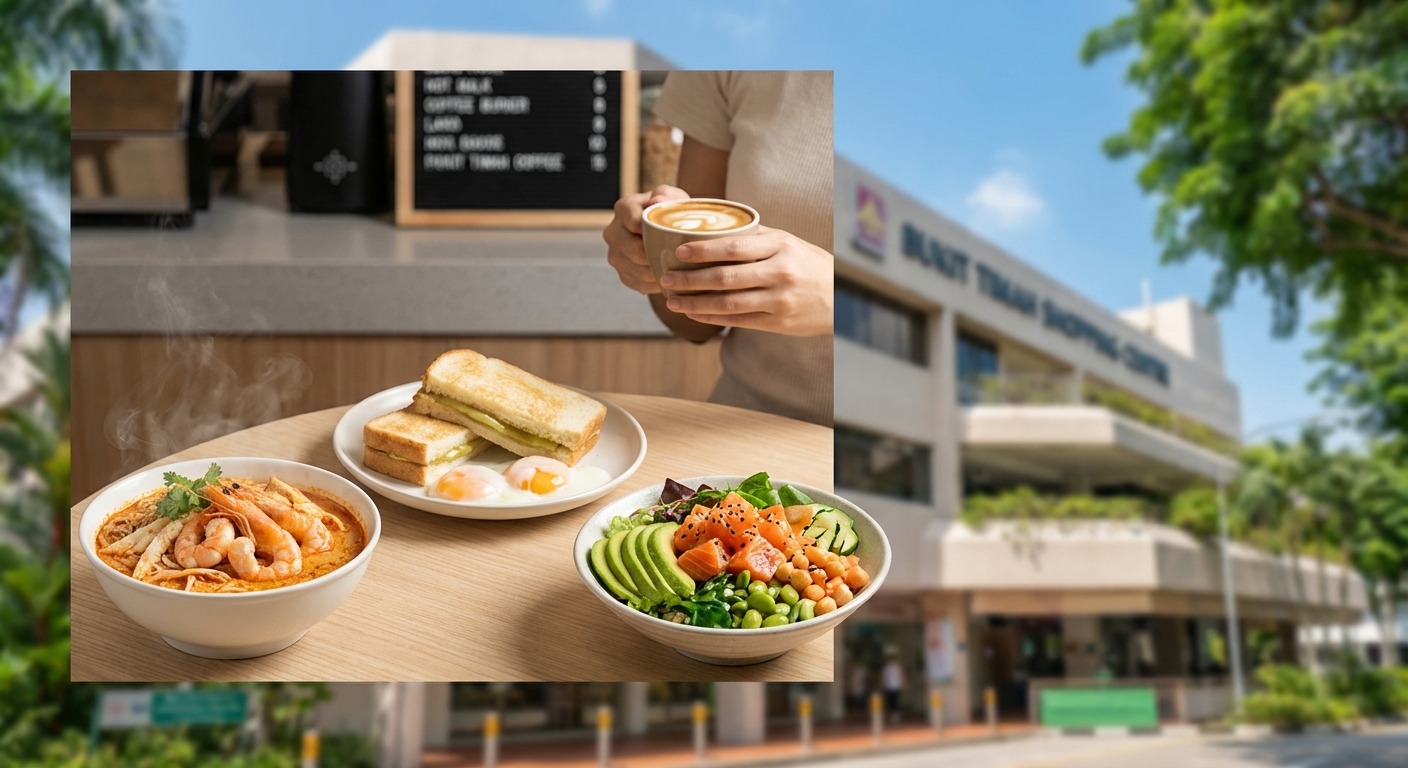

What to Eat at Bukit Timah Shopping Centre: Best Bites, Cafes, and Quick Meals Nearby
Bukit Timah Shopping Centre sits right in the heart of one of Singapore’s most established residential neighborhoods. The mall itself might not be flashy, but it’s packed with honest, no-frills eateries that locals have been visiting for decades. Whether you’re an office worker on lunch break or a resident looking for dinner options, this guide will help you navigate the dining scene inside and around this unassuming center.
Bukit Timah Shopping Centre offers affordable, authentic local dining options including traditional kopitiam fare, Chinese restaurants, and Japanese eateries. The surrounding area features modern cafes and international cuisines. Most stalls operate from breakfast through dinner, with lunch hours being the busiest. Expect wallet-friendly prices, generous portions, and a distinctly neighborhood atmosphere that prioritizes substance over style.
Inside the shopping centre itself
The ground floor houses most of the food options. You’ll find a traditional coffee shop setup where multiple stalls operate under one roof.
The kopitiam here serves classic breakfast items. Kaya toast comes with butter and a runny egg. The coffee is brewed the old-fashioned way, strong and sweet. Prices hover around $3 to $5 for a full breakfast set.
Chinese vegetarian food takes up one corner. The stall offers rice sets with mock meat dishes. Everything is prepared without garlic or onion, following Buddhist dietary principles. Lunch sets cost between $4 and $6.
A Japanese restaurant on the second floor has been around for years. They serve donburi, udon, and soba at reasonable prices. The katsu curry draws a steady crowd during lunch. Expect to pay $8 to $12 per meal.
The economic rice stall lets you pick your dishes. Point at what you want, and they’ll pile it onto your plate. Two vegetables and one meat typically costs around $4. Go for three meats if you’re hungry, and you’ll still stay under $6.
What makes the food scene here different
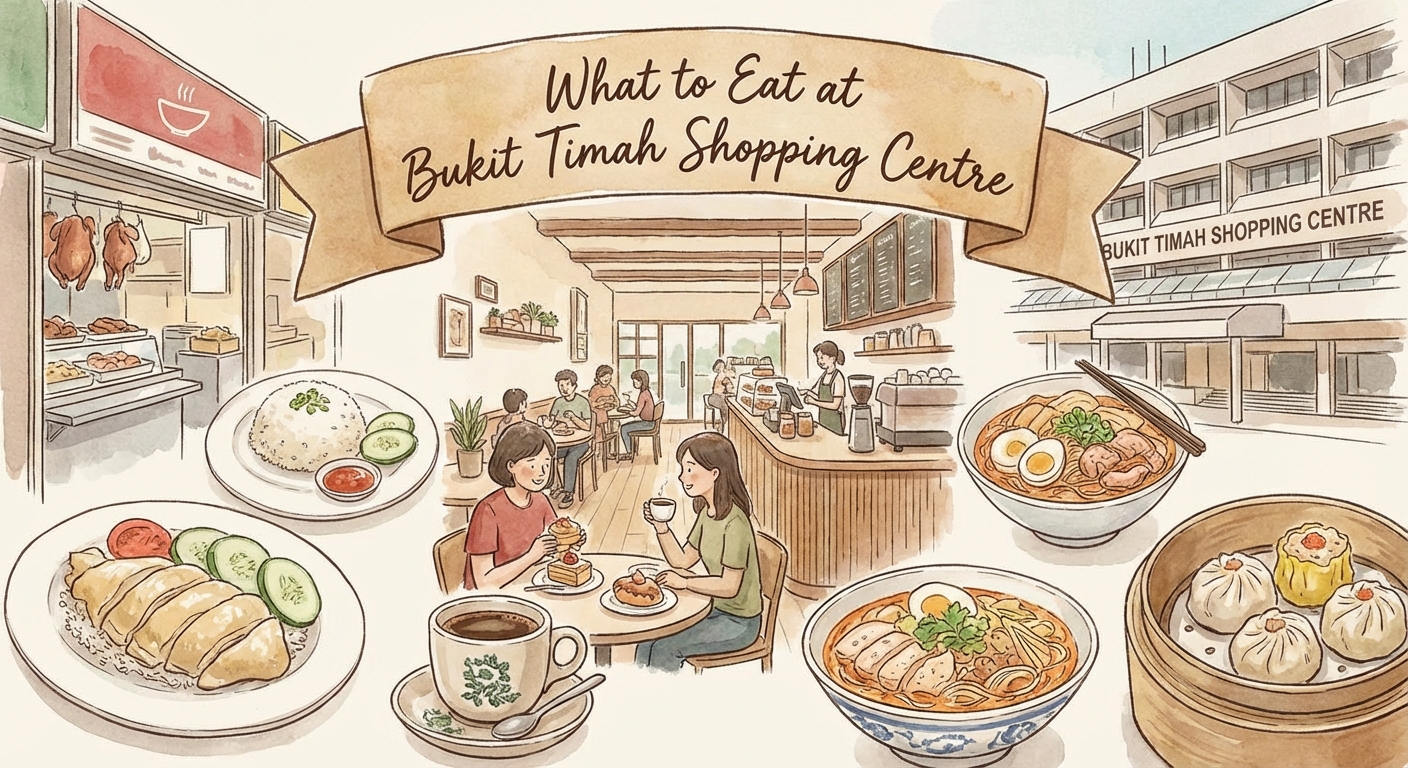
This isn’t a mall with Instagram-worthy interiors or trendy fusion concepts. The focus is on feeding people well without charging premium prices.
Most vendors have been operating their stalls for over a decade. Some for two or three. They know their regulars by face and remember usual orders.
Portions are generous. No one leaves hungry.
The atmosphere is utilitarian. Expect basic tables, fluorescent lighting, and minimal decor. But that’s exactly why prices stay low. If you’re looking for budget-friendly shopping malls in Singapore that won’t break the bank, this dining approach matches perfectly.
Timing your visit for the best experience
Peak lunch hours run from 12:00 PM to 1:30 PM. Office workers flood in during this window. Tables fill up fast.
Arrive before noon or after 1:30 PM for a more relaxed meal. You’ll get your food faster and have more seating choices.
Breakfast service starts around 7:00 AM at most stalls. This is when you’ll find the freshest kaya toast and the strongest coffee.
Dinner service varies by vendor. The kopitiam usually closes by 6:00 PM. The Japanese restaurant stays open until 8:00 PM or 9:00 PM.
Some stalls close on Mondays. Always check before making a special trip for a specific vendor.
Step-by-step guide to ordering at the kopitiam
- Find an empty table first and place your bag or umbrella to reserve it.
- Walk to the drink stall and order your coffee or tea. Tell them your table number.
- Head to the food stall of your choice and place your order. Again, provide your table number.
- Return to your seat. Your drinks and food will be delivered to your table.
- Pay when the food arrives. Have small bills ready. Most stalls accept PayNow now, but cash remains king.
- Clear your own table when you’re done. Stack plates and cups on the return tray station.
Nearby options within walking distance
Beauty World Centre sits just five minutes away on foot. The food court there offers Hainanese chicken rice, char kway teow, and laksa. The chicken rice stall has won awards.
Several standalone cafes have opened along Bukit Timah Road in recent years. They serve Western breakfast, specialty coffee, and pastries. Prices range from $8 to $18 per dish.
A Thai restaurant near the Bukit Timah Plaza serves authentic green curry and tom yum soup. The lunch sets include rice, soup, and a main dish for around $10.
For something different, a Korean eatery offers bibimbap and kimchi stew. They’re open for lunch and dinner. Set meals cost between $12 and $16.
Common mistakes and how to avoid them
| Mistake | Why it happens | Better approach |
|---|---|---|
| Arriving at 12:30 PM expecting a seat | Peak lunch rush | Come at 11:45 AM or after 1:30 PM |
| Not bringing cash | Assuming all stalls take cards | Carry at least $20 in small bills |
| Ordering too much at economic rice | Eyes bigger than stomach | Start with two dishes, add more if needed |
| Expecting air conditioning | Mall is older with limited cooling | Dress in light, breathable clothing |
| Not reserving a table first | Ordering food before securing a seat | Always secure your table before ordering |
What regulars order
At the kopitiam, the kaya toast set with soft-boiled eggs is the breakfast standard. Add a cup of kopi and you’ve got a complete meal.
The economic rice stall’s sweet and sour pork is consistently good. Pair it with stir-fried vegetables and tofu for balance.
The Japanese restaurant’s chicken katsu curry gets repeat orders. The portion is filling and the price is fair.
The vegetarian stall’s curry vegetables with rice satisfies even non-vegetarians. The mock char siew is surprisingly convincing.
For drinks, the teh-c (tea with evaporated milk) hits the spot on hot afternoons. Ask for it less sweet if you prefer.
Why office workers keep coming back
Convenience matters. The location is central to several office buildings and residential blocks.
Speed is another factor. Most stalls can prepare your meal in under 10 minutes. You can finish lunch and return to work within 30 minutes.
Value for money seals the deal. Where else can you get a filling meal for under $6 in this neighborhood?
Consistency builds trust. When you know exactly what you’re getting and it’s always decent, decision fatigue disappears.
The lack of pretension is refreshing. No one is trying to be trendy. Just honest food at honest prices. Much like shopping malls in Singapore with the best food courts and hawker centers, the focus is on substance.
Special dietary considerations
The vegetarian stall caters to plant-based diets. Everything is meat-free and egg-free. Some dishes contain dairy, so ask if you’re vegan.
Halal options are limited within the shopping centre itself. However, the best halal restaurants in Singapore shopping malls can be found elsewhere if that’s a priority. Nearby Beauty World Centre has certified halal stalls.
Gluten-free choices are scarce. Most dishes contain soy sauce or wheat-based noodles. The economic rice stall can accommodate if you choose carefully and ask about ingredients.
For those watching sodium, request less sauce or seasoning. Most vendors will adjust to your preference.
A long-time resident shares: “I’ve been eating at this shopping centre for 20 years. The vendors know me, they know my order, and they never disappoint. It’s not fancy, but it’s reliable. That’s worth more than any trendy cafe.”
Comparing price ranges across different meal types
Breakfast typically costs $3 to $5. This includes toast, eggs, and a hot drink.
Lunch ranges from $4 to $8 depending on whether you choose economic rice or a set meal.
Dinner prices mirror lunch. The Japanese restaurant might charge slightly more for dinner sets.
Snacks and drinks cost $1.50 to $3. A cup of coffee or tea with a curry puff makes a decent afternoon break.
Full meals at nearby cafes start at $12 and go up to $20. They offer more ambiance but less value.
What the changing neighborhood means for dining
Bukit Timah has seen an influx of younger families and expats in recent years. This has brought new cafes and restaurants to the area.
But the shopping centre itself remains largely unchanged. The old-school vendors continue serving their traditional fare.
This creates an interesting contrast. You can choose between heritage kopitiam culture and modern cafe aesthetics within a five-minute walk.
Both have their place. Some days call for a $4 economic rice plate. Other days warrant a $15 brunch with specialty coffee.
The shopping centre fills a specific need. It’s where you go when you want something familiar, affordable, and satisfying without any fuss.
Practical tips for first-time visitors
- Park at the shopping centre’s basement carpark. Rates are reasonable and you won’t need to walk far in the heat.
- Bring a light jacket if you’re sensitive to temperature. Some areas are cooler than others.
- Download PayNow or have the app ready. More stalls are accepting it, though cash still works everywhere.
- Don’t expect English menus everywhere. Point at pictures or other people’s food if needed.
- Ask for recommendations. Vendors are usually happy to suggest their best dishes.
- Try the local coffee at least once. It’s different from Starbucks and worth experiencing.
How this fits into Singapore’s broader food culture
Singapore’s hawker centers and kopitiams form the backbone of local food culture. Bukit Timah Shopping Centre represents this tradition in a neighborhood setting.
Unlike tourist-heavy spots like Lau Pa Sat or Maxwell Food Centre, this place caters primarily to locals. The food is authentic because it’s made for people who eat here regularly, not for visitors seeking an “experience.”
This authenticity matters. It’s where you taste what Singaporeans actually eat on a typical Tuesday afternoon.
The prices reflect this too. There’s no tourist markup. You pay what a local pays.
Making the most of your meal
Come hungry. Portions are substantial and it’s worth trying multiple items.
Share dishes if you’re with others. This lets you sample more variety without overeating.
Save room for drinks. The traditional kopi or teh is part of the experience.
Take your time. Despite the utilitarian setting, no one rushes you out. Linger over your coffee and watch the neighborhood rhythm.
Chat with vendors if they’re not busy. Many have fascinating stories about the area’s evolution over decades.
Why this place matters to the neighborhood
Bukit Timah Shopping Centre isn’t trying to compete with modern malls. It serves a different purpose.
It’s where elderly residents meet friends for morning coffee. Where office workers grab affordable lunch. Where families pick up dinner on busy weeknights.
The food isn’t revolutionary. It’s comforting, familiar, and reliable.
In a city that’s constantly changing, places like this provide continuity. They’re anchors in the community.
The vendors take pride in their work. They might not have fancy equipment or Instagram-worthy plating, but they know how to cook food that people want to eat day after day.
Finding your favorites takes time
Your first visit might feel overwhelming. Multiple stalls, unfamiliar dishes, and a bustling atmosphere can be disorienting.
Start with something simple. The kaya toast set is a safe bet. Or point at what looks good at the economic rice stall.
Come back a few times. Try different vendors. You’ll start to develop preferences.
Maybe you’ll become a regular at the Japanese restaurant. Or perhaps the vegetarian stall will win you over.
The beauty of this place is that it rewards repeat visits. The more you come, the more you understand what makes it special.
Your neighborhood dining routine starts here
Bukit Timah Shopping Centre won’t win design awards or appear in luxury travel magazines. But it will feed you well, treat your wallet kindly, and give you a genuine taste of everyday Singaporean life.
The next time you’re in the area and hunger strikes, skip the chain restaurants. Head to this unassuming shopping centre instead. Order the economic rice with three dishes. Get a cup of kopi. Sit down at a shared table. This is where real neighborhood dining happens, and you’re invited to be part of it.