
10 Hidden Shopping Gems in Singapore That Tourists Often Miss
Most tourists in Singapore stick to Orchard Road and never venture beyond the glittering mega malls. They miss the vintage record shops tucked in heritage shophouses, the indie fashion boutiques in converted warehouses, and the neighborhood markets where locals actually shop. These hidden shopping gems offer something the big malls can’t: authentic experiences, unique finds, and prices that won’t drain your travel budget.
Singapore’s best shopping experiences hide in neighborhood enclaves like Haji Lane, Tiong Bahru, and Holland Village. These areas offer vintage clothing, independent bookstores, handmade crafts, and local designer pieces you won’t find in mainstream malls. Visit during weekday mornings for fewer crowds and better conversations with shop owners who share stories behind their curated collections.
Why mainstream malls don’t tell the whole story
The big shopping centers along how to navigate Orchard Road’s shopping malls like a local showcase international brands you can find anywhere. They’re air-conditioned, predictable, and convenient.
But they lack personality.
Real shopping adventures happen in neighborhoods where rent is lower and creativity runs higher. Shop owners curate collections based on passion, not corporate directives. You’ll find one-of-a-kind pieces, meet the designers, and often negotiate prices in a friendly way that feels more like conversation than transaction.
These spots also give you a genuine feel for how Singaporeans live outside the tourist zones.
Finding vintage treasures in Haji Lane and Arab Street
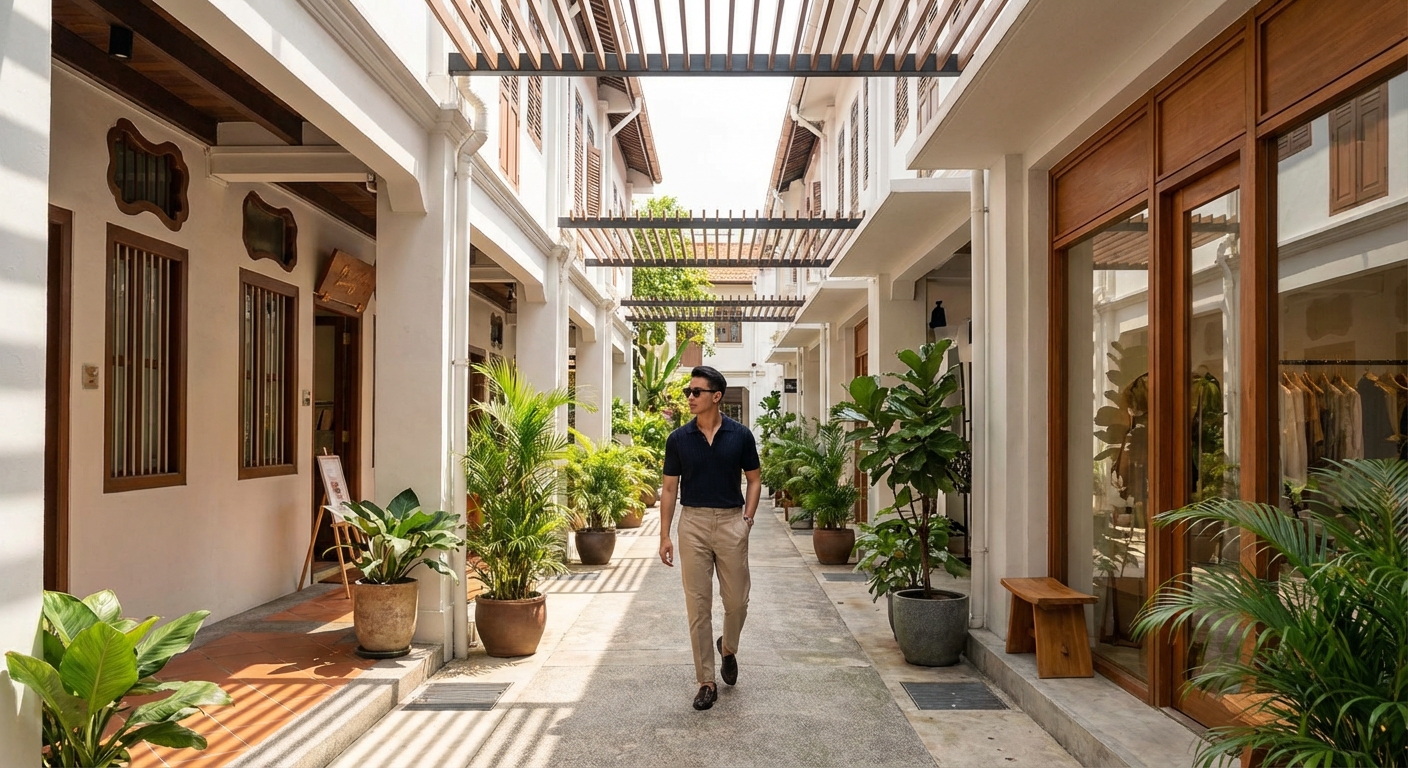
Haji Lane packs dozens of boutiques into a single colorful street. The shops change frequently, keeping the area fresh for repeat visits.
Start at the Bussorah Street end and work your way down. You’ll pass stores selling:
- Vintage band t-shirts and concert memorabilia
- Handmade leather bags and wallets
- Independent jewelry designers
- Secondhand vinyl records
- Retro sneakers and streetwear
Most shops open around 11 AM and stay open until 8 PM or later on weekends. Weekday mornings offer the best browsing with minimal crowds.
Arab Street, running parallel to Haji Lane, specializes in textiles and home goods. Fabric shops sell batik, silk, and cotton by the meter. Perfume stores let you sample Middle Eastern scents. Carpet dealers will happily spend an hour explaining the difference between Persian and Turkish weaving techniques.
“The shop owners here actually remember you. Come back twice and they’ll greet you by name. That personal connection makes shopping feel less like a transaction and more like making friends.” — Sarah Chen, longtime Haji Lane shopper
Tiong Bahru’s book nooks and design studios
Tiong Bahru combines art deco architecture with modern indie retail. The neighborhood attracts designers, writers, and artists who’ve opened shops reflecting their aesthetic.
Books Actually, an independent bookstore, stocks literary fiction and poetry you won’t find in chain stores. The owner handwrites recommendations on small cards tucked into shelves. They also publish limited-edition books under their own imprint.
Nearby, Nana & Bird sells women’s clothing designed in Singapore. The pieces mix Asian and Western influences, creating styles that work in tropical climates without sacrificing sophistication.
Other notable stops include:
- Strangelets for handmade jewelry using unusual stones and materials
- Bynd Artisan for personalized leather goods and stationery
- Grids & Lines for Scandinavian-inspired homeware
The entire area covers about six blocks. You can see everything in a morning, then grab lunch at one of the many cafes that have made Tiong Bahru a weekend destination for locals.
Holland Village’s eclectic mix of old and new
Holland Village started as an expat enclave but has evolved into a shopping destination that blends international and local sensibilities.
Lorong Mambong, the main shopping street, features:
- Antique shops selling Southeast Asian furniture and artifacts
- Boutiques with resort wear perfect for tropical vacations
- Art galleries showcasing emerging Singaporean artists
- Music stores with instruments and equipment for serious musicians
The Holland Road Shopping Centre, a modest mall compared to what makes Jewel Changi Airport different from other Singapore malls, houses smaller specialty stores. The upper floors have tailors who can custom-make suits and dresses at reasonable prices.
Visit on weekday afternoons when the lunch crowd has cleared but shops remain open. Parking can be challenging on weekends.
Katong and Joo Chiat’s Peranakan heritage shops
The Katong and Joo Chiat neighborhoods preserve Peranakan culture through their shophouses and specialty stores.
Peranakan refers to descendants of Chinese immigrants who married Malays, creating a unique culture with distinctive art, food, and fashion. The area’s shops sell items you won’t find elsewhere in Singapore:
- Beaded slippers and embroidered textiles
- Vintage Peranakan jewelry and kebayas (traditional blouses)
- Antique ceramics and furniture
- Traditional kueh (cakes) and spice mixes
Rumah Bebe specializes in Peranakan beadwork and offers workshops where you can learn the craft. The owner, a third-generation beadwork artist, shares stories about each piece’s cultural significance.
Kim Choo Kueh Chang sells traditional dumplings and also operates a small museum upstairs explaining Peranakan cooking traditions.
The neighborhood stretches along East Coast Road and Joo Chiat Road. Allow at least half a day to browse properly. Many shops close on Mondays.
Comparison of hidden shopping areas
| Neighborhood | Best For | Price Range | Crowd Level | Transport |
|---|---|---|---|---|
| Haji Lane | Vintage fashion, streetwear | Medium | High on weekends | Bugis MRT |
| Tiong Bahru | Books, indie design | Medium-High | Moderate | Tiong Bahru MRT |
| Holland Village | Antiques, expat goods | Medium-High | Moderate | Holland Village MRT |
| Katong/Joo Chiat | Peranakan crafts, heritage | Low-High | Low | Bus 10, 12, 14 |
Avoiding common tourist shopping mistakes
Many visitors make the same errors when trying to find authentic shopping in Singapore:
Mistake 1: Only visiting on weekends
Weekends bring crowds that make browsing difficult. Shop owners have less time for conversations. Prices sometimes increase for weekend shoppers.
Mistake 2: Expecting mall-style returns
Small independent shops often have strict no-return policies. Inspect items carefully before buying. Ask questions about materials and care instructions.
Mistake 3: Comparing prices to chain stores
Handmade and curated items cost more than mass-produced goods. You’re paying for uniqueness and craftsmanship, not just the item itself.
Mistake 4: Rushing through neighborhoods
These areas reward slow browsing. Shop owners share stories when you show genuine interest. The best finds often hide in back corners or require asking to see special inventory.
Mistake 5: Skipping smaller side streets
Main roads get the most foot traffic, but parallel lanes often house the most interesting shops. Wander down alleys and residential streets.
How to maximize your hidden shopping experience
Follow this approach for the best results:
-
Pick one neighborhood per visit. Trying to cover multiple areas in a day leads to exhausted browsing where nothing stands out.
-
Start early on weekdays. Most shops open between 10 AM and 11 AM. Arriving right at opening time gives you the owner’s full attention.
-
Bring cash. Many small shops prefer cash or charge credit card fees. ATMs aren’t always convenient in residential neighborhoods.
-
Ask about the story behind items. Shop owners love explaining their curation process, sourcing methods, or design inspiration. These conversations often lead to seeing special pieces not on display.
-
Take photos of items you like but aren’t ready to buy. Small shops rarely have websites with inventory. A photo helps you remember where you saw something when you’re ready to purchase.
-
Check social media before visiting. Many independent shops post irregular hours, special sales, or new arrivals on Instagram. Following them prevents wasted trips.
Practical shopping strategies for budget travelers
Hidden gems don’t always mean expensive boutiques. Many neighborhood shops cater to locals with modest budgets.
Secondhand and vintage stores offer the best value. Prices run 50-70% below new items for similar quality. Check seams, zippers, and fabric carefully since returns are rare.
Market stalls in neighborhoods like Chinatown and Little India sell similar items to tourist shops at lower prices. The quality is often identical since many tourist shops source from the same suppliers.
End-of-season sales happen year-round in Singapore’s climate. Small boutiques discount heavily to make room for new inventory. Ask shop owners when they typically rotate stock.
If you’re looking for budget-friendly options, check out 7 budget-friendly shopping malls in Singapore that won’t break the bank for alternatives that balance affordability with local character.
Understanding Singapore’s neighborhood shopping culture
Shopping in residential areas follows different unwritten rules than mall shopping:
- Shops often close for lunch between 1 PM and 2 PM
- Owners may step out briefly and leave a “back in 10 minutes” sign
- Bargaining is acceptable in some contexts (antiques, market stalls) but not others (boutique clothing, books)
- Trying on clothes happens in small fitting rooms or behind curtains, not spacious changing areas
- Some shops operate by appointment only, especially for high-end antiques or custom tailoring
These quirks make shopping feel more personal but require patience and flexibility.
Connecting shopping with food experiences
Every neighborhood mentioned has exceptional food options worth building into your shopping day.
Haji Lane and Arab Street offer Middle Eastern restaurants and cafes. Try Turkish breakfast spreads or Lebanese mezze platters between boutique visits.
Tiong Bahru’s cafe scene rivals any city globally. Coffee roasters, bakeries, and brunch spots fill the ground floors of shophouses. For more substantial meals, 10 shopping malls in Singapore with the best food courts and hawker centers provides options when you want variety under one roof.
Holland Village has hawker stalls serving local favorites alongside Western restaurants. The mix reflects the neighborhood’s multicultural character.
Katong and Joo Chiat specialize in Peranakan cuisine. Laksa shops, kueh stores, and traditional restaurants serve dishes you won’t find elsewhere in Singapore.
Seasonal considerations for neighborhood shopping
Singapore’s tropical climate means shopping conditions stay relatively consistent year-round. However, timing still matters:
June to August brings school holidays. Families crowd weekend shopping areas. Weekday mornings remain calm.
November to January features holiday shopping and decorations. Many independent shops offer special items and gift sets. Prices may increase slightly.
February to March sees Chinese New Year closures. Many small businesses shut for a week. Check social media for specific dates.
April to May and September to October offer the best shopping weather. These months fall between major holidays and school breaks, meaning lighter crowds and more relaxed browsing.
Rainy season (November to January) requires an umbrella but doesn’t significantly impact shopping since most stores sit under covered walkways or inside shophouses.
Making the most of shophouse architecture
Many hidden shopping gems occupy traditional shophouses, which influences the shopping experience.
Shophouses typically have:
- Narrow storefronts (about 15-20 feet wide)
- Deep interiors extending 60-80 feet back
- Multiple rooms or levels
- Limited natural light in back areas
This layout means you need to venture into the entire space to see all inventory. Don’t judge a shop by its front window display. The best items often hide in back rooms or upstairs.
Some shophouses retain original architectural features like ornate tiles, carved wooden screens, or vintage fixtures. These details add character but also mean uneven floors, steep stairs, and tight spaces. Wear comfortable shoes and be prepared to navigate carefully.
Transportation tips for reaching hidden neighborhoods
Getting to these areas requires planning since they’re not always near MRT stations:
Haji Lane/Arab Street: Bugis MRT (East West Line, Downtown Line) puts you a 5-minute walk away. Exit toward Victoria Street.
Tiong Bahru: Tiong Bahru MRT (East West Line) opens directly into the neighborhood. Exit toward Tiong Bahru Road.
Holland Village: Holland Village MRT (Circle Line) is new and convenient. Older guides mention buses because the MRT station only opened recently.
Katong/Joo Chiat: No nearby MRT. Take bus 10, 12, 14, or 32 from various points. Alternatively, grab a taxi or ride-share from your hotel. The 15-20 minute ride costs $8-12.
Walking between neighborhoods is possible but not recommended in Singapore’s heat. Each area deserves focused attention rather than being part of a walking marathon.
What to buy in each neighborhood
Different areas specialize in different items. This guide helps you prioritize:
Haji Lane excels at:
– Vintage clothing from the 1970s-1990s
– Band merchandise and music memorabilia
– Streetwear and sneakers
– Handmade jewelry with edgy designs
Tiong Bahru specializes in:
– Literary fiction and poetry
– Minimalist home goods
– Contemporary jewelry
– Designer clothing with clean lines
Holland Village offers:
– Southeast Asian antiques
– Resort and vacation clothing
– Musical instruments
– Art from local galleries
Katong/Joo Chiat provides:
– Peranakan crafts and textiles
– Vintage ceramics and furniture
– Traditional food items
– Heritage jewelry and accessories
Knowing these specialties prevents disappointment when you’re searching for something specific.
Shopping etiquette in independent stores
Small shops appreciate customers who understand basic etiquette:
- Greet the owner when entering
- Ask before taking photos of merchandise
- Don’t eat or drink inside unless invited
- Handle items carefully, especially vintage or handmade pieces
- If you’re just browsing, say so honestly
- Don’t negotiate aggressively on clearly marked prices
- Thank the owner even if you don’t buy anything
These courtesies seem obvious but make a difference in how shop owners perceive and help tourists. Regular customers often receive first notice of new arrivals or special discounts.
Beyond shopping: why these neighborhoods matter
These hidden shopping areas preserve Singapore’s character in ways mega malls cannot.
They employ local artisans, designers, and small business owners. They maintain architectural heritage through adaptive reuse of shophouses. They create community gathering spaces where neighbors know each other.
When you shop in these neighborhoods, you’re supporting an ecosystem that keeps Singapore interesting beyond its reputation for efficiency and modernity.
The items you buy carry stories. The vintage dress came from someone’s closet. The handmade bag took days to craft. The antique bowl survived decades of family use.
These stories make better souvenirs than anything from a chain store.
Your next shopping adventure awaits
Skip the crowds at the big malls for your next shopping trip. Head to one of these neighborhoods early on a weekday morning. Wander the side streets. Chat with shop owners. Try on that unusual jacket. Ask about the story behind the vintage camera.
You’ll discover a side of Singapore most tourists miss, and you’ll bring home items that actually mean something.
The best shopping experiences aren’t about buying the most things. They’re about finding the right things in places that feel authentic and memorable.