
Exploring Japanese Cuisine in Singapore Malls: Top Restaurants and Ramen Shops
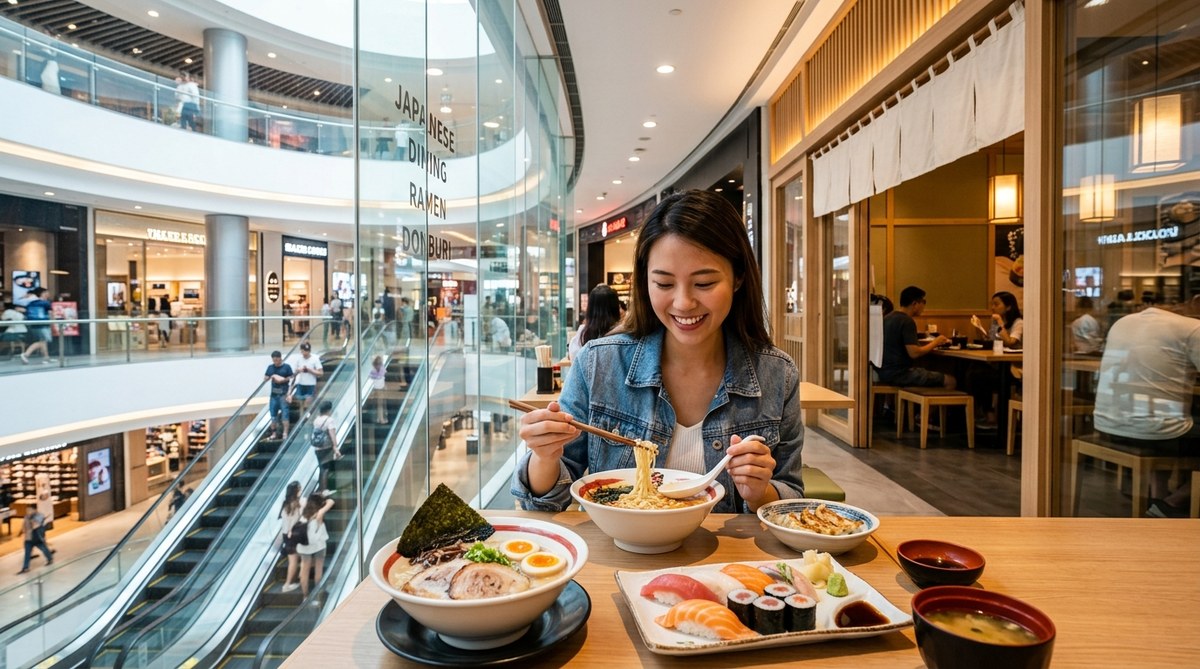
Singapore’s shopping malls hide some of the best Japanese food on the island. Whether you are chasing a bowl of tonkotsu ramen with broth that has simmered for 18 hours or searching for a casual sushi spot between retail stops, the mall scene delivers. The beauty of dining in a mall is simple. You get air conditioning, easy parking, and a lineup of日本 restaurants all under one roof. No need to trek to a standalone shop in a quiet neighborhood. For locals and tourists alike, finding a great Japanese restaurants Singapore mall has become a hobby in itself.
Singapore malls house an incredible range of Japanese dining, from high-end ramen counters to family-style izakayas. Orchard Road and Marina Bay dominate, but neighborhood malls hold hidden gems worth the trip. Ramen remains the most popular choice, with tonkotsu and tsukemen leading the trend in 2026. Focus on lunch sets for value, and check mall apps for discounts before you go.
Why Malls Have Become Singapore’s Best Japanese Food Destination
A decade ago, the best Japanese food was tucked away in basement units of old shopping centers like Far East Plaza or Lucky Plaza. Today, Japanese restaurants in Singapore mall spaces have moved up literally and figuratively. Major developers now court Michelin-recognized ramen houses and Michelin-starred sushi counters to anchor their food floors.
Malls offer something a standalone restaurant cannot. They provide foot traffic, operational stability, and a captive audience of hungry shoppers. For the diner, that means more competition among restaurants, which leads to better quality and fairer prices.
Walk through the basement of ION Orchard on a Tuesday afternoon. You will find a salaryman, a tourist with luggage, and a family of four all ordering ramen within twenty feet of each other. That mix is uniquely Singapore.
The Ramen Scene Inside Singapore Shopping Centers
Ramen is the undisputed king of Japanese mall dining in 2026. The numbers back it up. More than 60 percent of Japanese restaurant openings in Singapore malls last year were ramen concepts. Here is why ramen works so well in a mall setting.
Speed and Quality in One Bowl
Ramen service is fast. Most bowls arrive within eight to ten minutes of ordering. That fits the mall shopper’s timeline perfectly. You can sit down, eat, and be back in the retail corridor before your shopping momentum fades.
The quality has also risen. Mall-based ramen shops now use the same imported ingredients as their standalone counterparts. Look for shops that advertise tonkotsu broth simmered for 18 hours or their own in-house noodles. These details matter.
Regional Styles You Can Find in Malls
Ramen is not one thing. It is many things. Singapore malls now offer several regional styles.
| Ramen Style | Broth Base | Where to Find It in a Mall |
|---|---|---|
| Tonkotsu | Pork bone, creamy | ION Orchard, Plaza Singapura |
| Shoyu | Soy sauce, clear | Takashimaya, Suntec City |
| Miso | Fermented soybean, hearty | Bugis Junction, VivoCity |
| Tsukemen | Dipping broth, thick noodles | Orchard Central, Jewel Changi |
| Shio | Salt-based, light | Raffles City, Marina Square |
Tsukemen deserves special mention. It has grown from a niche order to a mainstream choice in 2026. The noodles come cold and thick. You dip them into a concentrated hot broth. It takes longer to eat, which makes it a great choice if you want to sit and rest during a long shopping day.
How to Pick the Right Japanese Restaurant in a Singapore Mall
Not every Japanese restaurant in a mall is worth your time. Some lean heavily on frozen ingredients. Others overcharge for the location. Use these three criteria to separate the winners from the fillers.
Check the Lunch Set Menu
Lunch sets tell you everything. A good Japanese restaurant will offer a lunch menu that changes weekly or monthly. If the same laminated menu has been sitting there for two years, the kitchen is not trying. Look for seasonal ingredients like sanma (Pacific saury) in autumn or botan ebi (shrimp) in spring.
Look at the Counter Seating
A ramen shop or sushi bar with strong counter seating signals confidence. The chef works in front of you. There is nowhere to hide. If a restaurant hides its kitchen behind a wall, the food is probably mass produced. If you can see the chef pulling noodles or slicing fish, you are in the right place.
Read the Broth, Not the Decor
Fancy lighting and Instagram walls do not make good ramen. Look at the bowl itself. Does the broth have a rich, opaque color? Is the chashu (pork belly) thick and seared? These visual cues matter more than any table decoration.
“The best bowl of ramen I have ever eaten in Singapore was at a counter in a basement mall. No view. No vibe. Just a chef who had been making the same broth for twelve years. That is the kind of place you return to.”
Local food critic and ramen enthusiast
A Step-by-Step Guide to Your Mall Ramen Hunt
If you want to find the best Japanese restaurants in Singapore malls without wasting time, follow this process.
-
Choose your mall by district. Orchard Road has the highest concentration. Marina Bay has the luxury options. Neighborhood malls like Century Square or Compass One offer more affordable choices with shorter lines.
-
Arrive before 12:30 PM for lunch. Ramen shops in malls fill up fast. The line at a popular spot in Plaza Singapura can hit 45 minutes by 1:00 PM. Show up at 11:45 AM and you walk right in.
-
Order from the set menu first. Sets usually include a bowl of ramen plus gyoza or a small rice dish. The price is often only three to five dollars more than the ramen alone. You get more food for a small upcharge.
-
Add a topping or two. Most ramen shops let you customize. Soft-boiled egg, extra nori, or a side of karaage (fried chicken) turns a good meal into a great one. Budget two to four dollars extra.
-
Pay and check for mall promotions. Many malls run dining promotions on weekdays. A S$25 ramen lunch might come with a S$5 mall voucher for your next visit. Always ask before you pay.
Mall Areas With the Strongest Japanese Dining Lineups
Some malls have become known as destinations for Japanese food. These are the ones worth planning a trip around.
Orchard Road: The Heavy Hitters
ION Orchard, Ngee Ann City (Takashimaya), and Orchard Central form a triangle of excellent Japanese dining. You can find everything from a S$12 bowl of ramen in a basement food court to a S$200 omakase dinner on an upper floor. The variety is unmatched.
If you are new to the area, read our guide on how to navigate Orchard Road’s shopping malls like a local. It will save you time and help you find the best food floors faster.
Marina Bay and City Hall: Upscale and Polished
Raffles City and Marina Square host Japanese restaurants that lean toward the premium side. The ramen shops here tend to be from famous chains with global reputations. Prices are higher, but the consistency is impressive.
Neighborhood Malls: Hidden Gems
Do not sleep on the suburban malls. Compass One in Sengkang has a ramen shop that regularly beats Orchard Road options in blind taste tests. Century Square in Tampines has a Japanese curry house that draws crowds from across the east side. These malls offer better value and shorter lines.
For a broader look at what the food courts offer, check out our list of 10 shopping malls in Singapore with the best food courts and hawker centers. Many of these food courts now include dedicated Japanese stalls.
Common Mistakes When Ordering Japanese Food in Malls
Even experienced diners make errors. Here are the most common ones and how to avoid them.
| Mistake | Why It Hurts | The Fix |
|---|---|---|
| Ordering too much food | Japanese portions in malls are generous. A set meal feeds one person fully. | Skip the appetizer unless you are sharing. |
| Ignoring the wait time display | Some malls now show live queue times on digital boards. If you miss it, you stand in line blind. | Check the board before joining any line. |
| Assuming mall food is lower quality | This was true ten years ago. It is not true now. Many top ramen shops choose mall locations. | Judge by the broth, not the address. |
| Not checking for halal certification | Some Japanese restaurants in Singapore malls are halal-certified. Others are not. If this matters to you, ask first. | Look for the halal logo near the cashier. |
Making the Most of Your Japanese Mall Dining Budget
Japanese food in malls can range from budget-friendly to splurge-worthy. Here is how to keep costs down without sacrificing quality.
Lunch Sets Are Your Best Friend
Almost every Japanese restaurant in a Singapore mall offers a lunch special. These sets run from 11:30 AM to 2:30 PM and include a main dish plus sides. Prices are typically 20 to 30 percent lower than dinner.
Tip: If you want to try a premium ramen shop like Sanpoutei or Ikkousha, go for lunch. The bowl quality is identical, but the price is lower.
Share Two Mains Instead of Ordering One Each
Japanese food works well for sharing. Order one ramen and one rice bowl. Split both. You get two flavor profiles for the price of 1.5 meals. This strategy works especially well at izakaya-style restaurants where small plates are the norm.
Use Mall App Promotions
Most major malls in Singapore have their own apps. These apps push out dining coupons regularly. A typical promotion might offer S$5 off a S$30 meal or a free side dish with any main course. Stack these with credit card rewards for maximum savings.
If you want to learn more about stacking deals, read our guide on how to stack credit card promotions with mall discounts in Singapore. It can save you serious money over a year of mall dining.
The Best Times to Visit Japanese Restaurants in Malls
Timing matters more than most people realize. Here is when to go and when to avoid.
Best Times
- Weekday lunches (11:45 AM to 12:15 PM). You beat the office crowd and get the freshest broth of the day.
- Late afternoons (2:30 PM to 4:30 PM). Most lunch crowds have cleared. You get a relaxed meal with attentive service.
- Sunday evenings after 7:30 PM. The dinner rush eases up. Families head home, and the wait times drop.
Times to Avoid
- Saturday afternoons between 12:30 PM and 2:00 PM. Malls are packed. Expect long lines and loud environments.
- Public holidays. Japanese restaurants in malls get overwhelmed. Quality dips slightly because the kitchen is under pressure.
- First day of the Great Singapore Sale. Shoppers flood malls, and food queues become chaotic.
For late-night cravings, some malls keep their Japanese restaurants open past 10 PM. Our late night dining guide which Singapore malls stay open past midnight can point you to the right spots.
What Makes a Great Ramen Bowl in a Mall Setting
You do not need to be a ramen expert to tell good from great. These five elements separate an average bowl from an exceptional one.
The Broth
A great broth has depth. It coats the back of a spoon. Tonkotsu should be creamy but not greasy. Shoyu should be clear but layered with flavor. If the broth tastes thin or watery, the shop cut corners on simmering time.
The Noodles
Noodles should have a firm bite. In Japan, this is called “koshi.” They should not be mushy or clump together. Look for noodles that are slightly wavy. They hold broth better than straight noodles.
The Chashu
Pork belly that has been braised for hours should be tender enough to pull apart with chopsticks. It should have a dark edge from searing. If the chashu is pale and rubbery, the shop did not put in the work.
The Egg
A perfect ajitsuke tamago (seasoned egg) has a jammy yolk. It should be slightly sweet from the soy marinade. If the yolk is fully hard or the white is rubbery, the egg was boiled too long or not marinated enough.
The Bowl Temperature
Ramen bowls should be hot. Not warm. Not lukewarm. The bowl itself should be almost too hot to hold. That means the broth was kept at the right temperature until serving. Cold bowls kill the experience.
If you are dining with kids, many malls now offer family-friendly Japanese restaurants with play areas nearby. Our guide on family-friendly restaurants in Singapore malls with kids play areas can help you plan a stress-free meal with children.
Tying It All Together: Your Next Japanese Mall Meal
Singapore in 2026 is a paradise for anyone searching for Japanese restaurants in Singapore mall spaces. The options have never been better. The quality has never been higher. And the convenience of parking, shopping, and eating in one air-conditioned building is hard to beat.
Next time you are at the mall and a craving for ramen hits, skip the generic food court stall. Find the Japanese restaurant with the visible kitchen counter. Order the tonkotsu with an extra soft-boiled egg. Take your time. Watch the chef work. Taste the broth that has been simmering since early morning. That is the mall dining experience Singapore does better than almost anywhere else in the world.
Now go find your bowl.