
Family-Friendly Restaurants in Singapore Malls with Kids Play Areas
Dining out with young children can feel like a gamble. Will they sit still? Will they get bored before the food arrives? Will you spend the entire meal managing meltdowns instead of enjoying your meal?
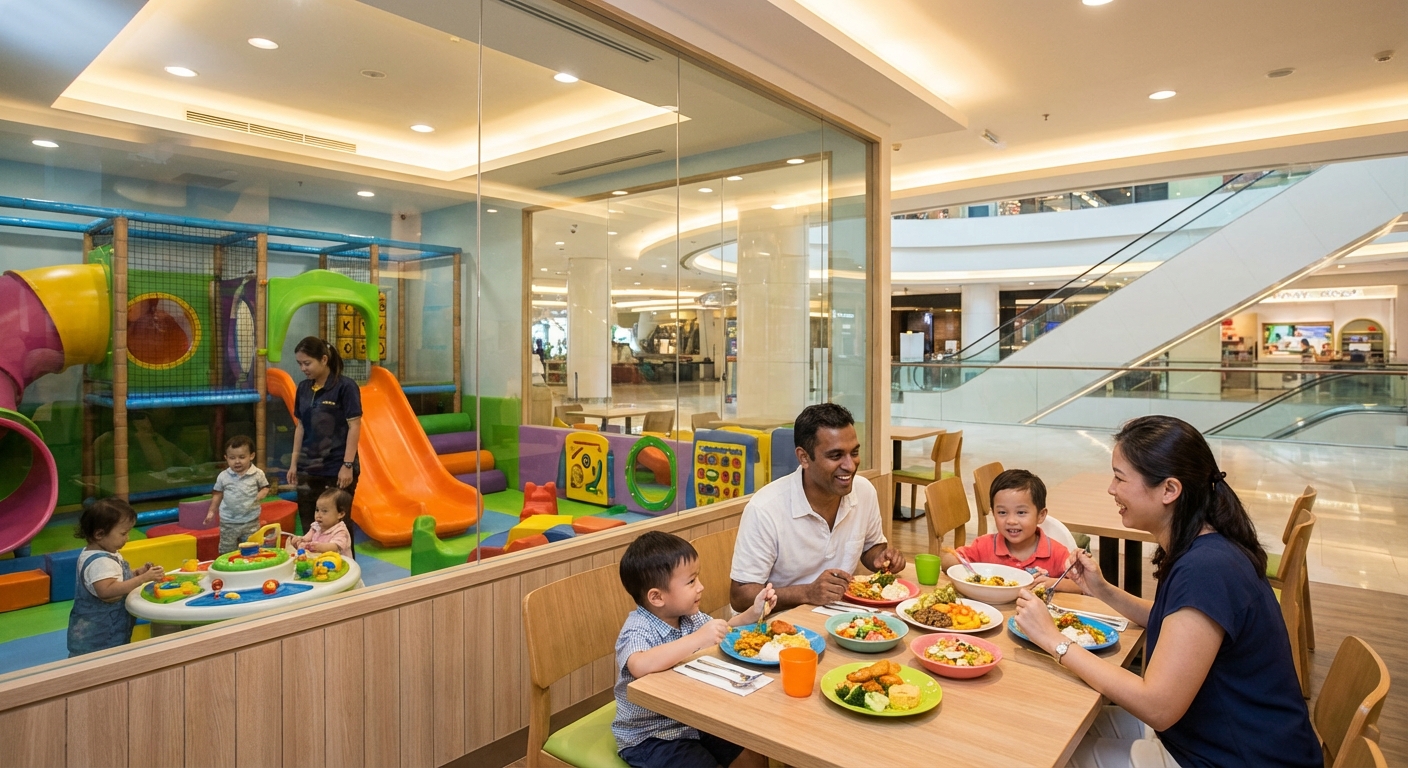
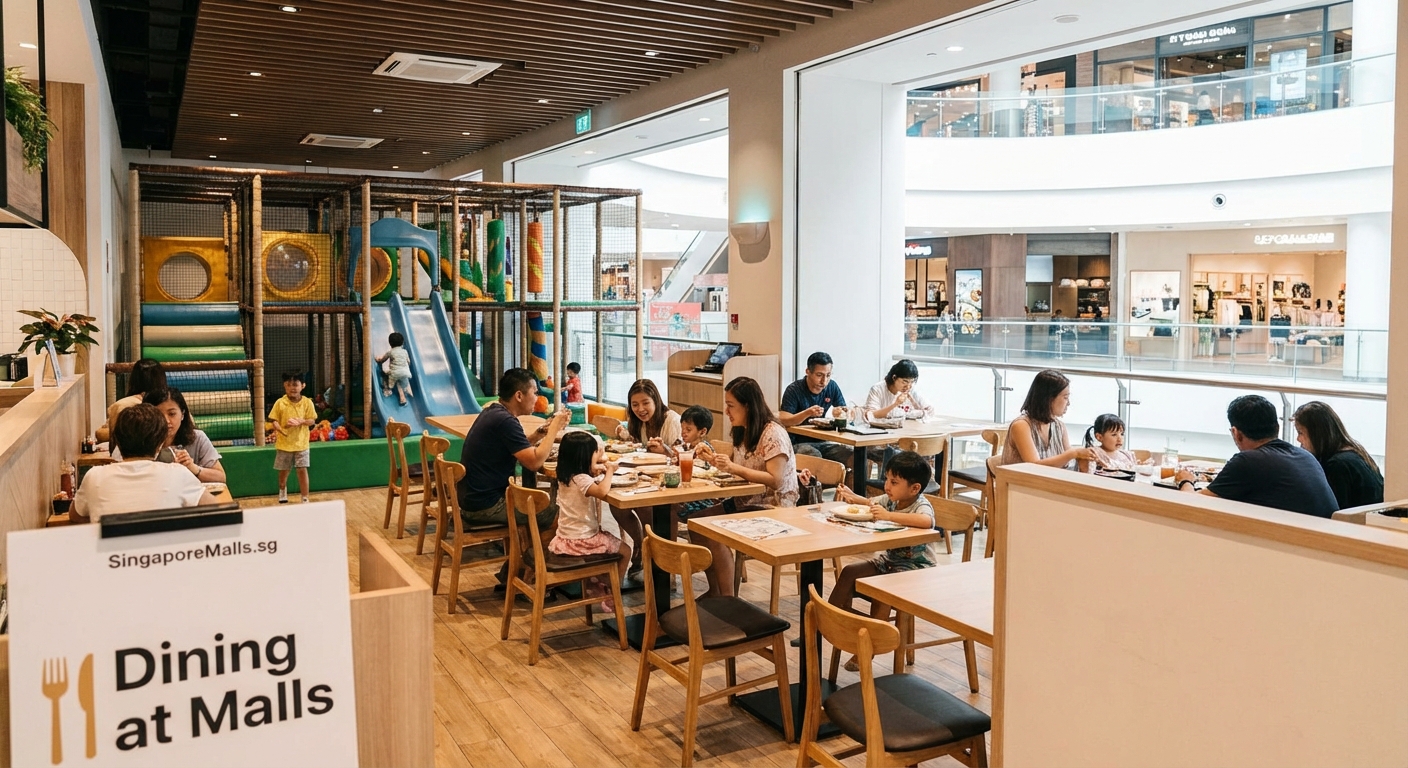
That’s where kid friendly restaurants with play areas change everything. These venues let parents relax over a proper meal while children burn energy in safe, supervised spaces. No more frantic searches for entertainment on your phone. No more cutting meals short because someone is restless.
Singapore malls house dozens of restaurants with dedicated play areas where kids aged 2 to 10 can safely play while parents dine nearby. These venues combine quality food, visible play zones, and family-friendly pricing. Booking ahead during weekends and school holidays ensures you get tables near the play area for easy supervision. Most venues include age-appropriate equipment, soft flooring, and staff monitoring.
Why restaurants with play areas work for families
Traditional restaurants expect children to sit quietly for 60 to 90 minutes. That’s unrealistic for most kids under 10.
Restaurants with built-in play areas solve this problem. Children can move freely in a contained space. Parents can see them from their table. Everyone eats without stress.
These venues typically feature:
- Enclosed play zones with soft padding
- Age-appropriate climbing structures and slides
- Tables positioned around the play area perimeter
- Staff who monitor the space during peak hours
- Menu options that appeal to both adults and children
The setup lets you finish your meal at a normal pace. Your kids get physical activity. You get actual conversation time with other adults.
How to choose the right venue for your family
Not all play area restaurants suit every age group or family need. Here’s how to pick the best match.
Consider your children’s ages
Play areas designed for toddlers won’t engage older kids. Equipment built for school-age children might overwhelm very young ones.
Most venues label their play zones by age range. Check before you book.
Toddler-focused spaces (ages 2-5) typically include:
– Low slides and gentle climbers
– Sensory play stations
– Soft blocks and tunnels
– Ball pits with shallow depths
Older kid zones (ages 6-10) feature:
– Multi-level climbing structures
– Interactive game stations
– Sports areas for active play
– Creative activity corners
Check visibility from dining tables
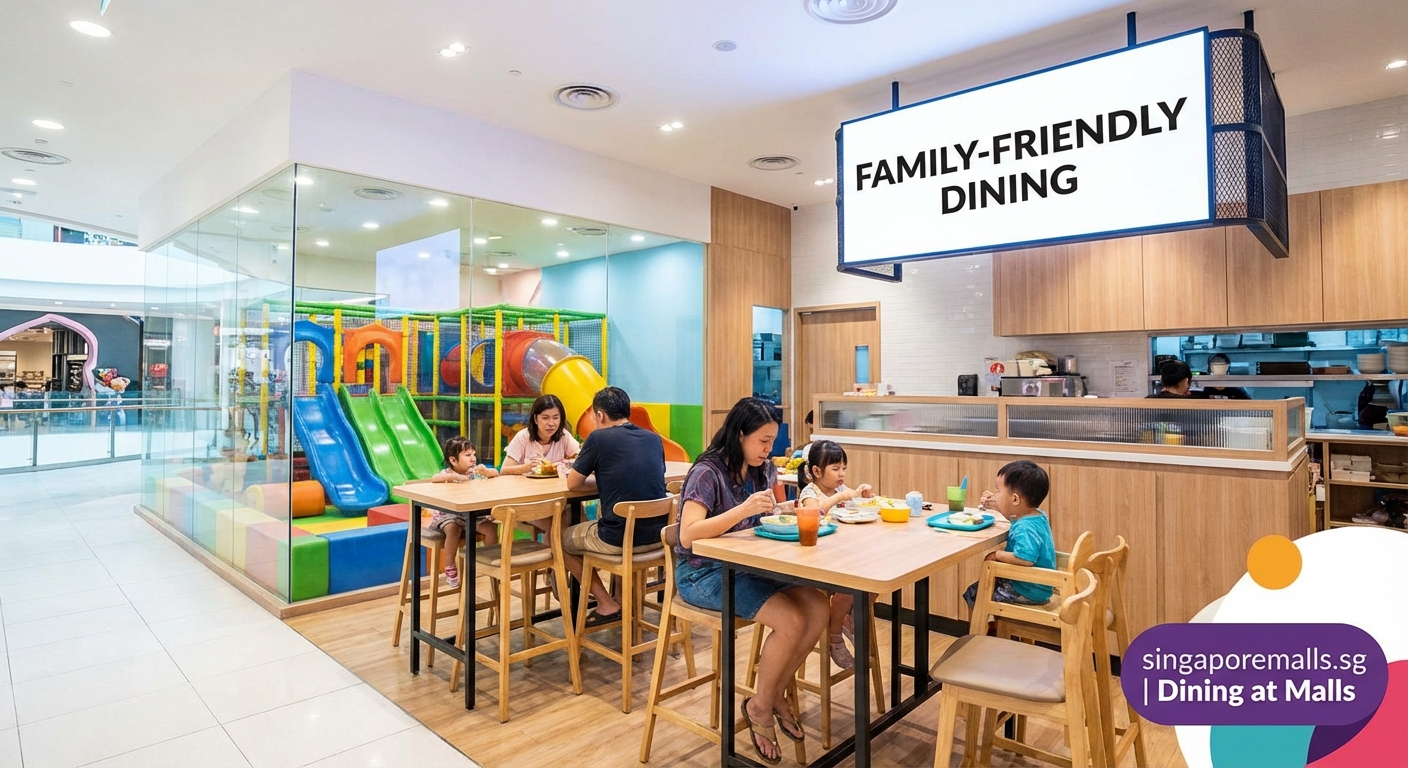
The best restaurants position tables in a semicircle or U-shape around the play area. You want clear sightlines without having to stand up constantly.
Ask about table placement when you book. Request seating near the play zone entrance if your children are younger or new to the venue.
Review the supervision setup
Some venues provide dedicated play area staff. Others rely on parents to supervise their own children.
Neither approach is wrong, but you need to know which model the restaurant uses. This affects how much you can relax during your meal.
Staffed play areas typically:
– Enforce age limits and capacity rules
– Monitor for safety issues
– Help children navigate equipment
– Alert parents if problems arise
Parent-supervised spaces require you to:
– Watch your children continuously
– Manage interactions with other kids
– Handle any accidents or conflicts
– Balance eating with monitoring
Top features that make dining easier
The best kid friendly restaurants in Singapore malls go beyond basic play equipment. Look for these extras.
Food ordering that accommodates play time
Children won’t want to sit through a full meal before playing. Smart restaurants let you order in stages.
Order kids’ meals first so they can eat something before playing. Then order your own food once they’re occupied. This prevents the “I’m bored waiting for food” meltdown.
Some venues offer call buttons at tables. You can summon staff without leaving your seat or losing sight of the play area.
Clean facilities near the play zone
Bathrooms should be steps away from the dining area. Kids won’t give you much warning when nature calls.
Check that venues maintain:
– Child-height sinks and toilets
– Changing tables for younger siblings
– Hand sanitizer stations at play area entrances
– Regular cleaning schedules during operating hours
Flexible seating for groups
Family meals often include grandparents, cousins, or friends with children. The restaurant should handle groups without splitting you across multiple tables.
Call ahead if you’re bringing more than six people. Many venues can combine tables or reserve larger sections during off-peak hours.
Planning your visit for maximum success
Timing and preparation make the difference between a relaxed meal and a stressful experience.
Best times to visit
Weekday lunches (11 AM to 1 PM) offer the quietest experience. Play areas are less crowded. Service is faster. You can often walk in without a booking.
Weekend dinners (6 PM to 8 PM) represent peak chaos. Every family in Singapore has the same idea. Book at least a week ahead.
School holidays require even more planning. Some popular venues fill up two weeks in advance during June, November, and December breaks.
What to bring
Most restaurants provide the play equipment, but you should pack:
- Socks for children (many play areas require them)
- A change of clothes if your child sweats easily
- Wet wipes for quick cleanups
- A small toy or book for waiting periods
- Any specific snacks if your child has allergies
Setting expectations with your children
Talk through the visit before you arrive. Explain:
- They can play after eating some food
- They need to come back when called
- They must share equipment with other children
- Play time ends when the meal finishes
This prevents arguments and disappointment. Kids know the rules before excitement takes over.
Comparing restaurant types and their play areas
Different dining concepts offer different play area experiences. Here’s what to expect.
| Restaurant Type | Play Area Size | Typical Age Range | Food Style | Average Cost |
|---|---|---|---|---|
| Fast casual chains | Small to medium | 2-7 years | Burgers, pasta, local favorites | $15-25 per person |
| Themed family restaurants | Large | 3-10 years | International buffets, set menus | $30-50 per person |
| Cafe-style venues | Small | 2-5 years | Light meals, coffee, pastries | $12-20 per person |
| Food court sections | Medium | 4-10 years | Multiple cuisines, hawker-style | $8-15 per person |
Fast casual chains work well for shorter meals. The play areas are smaller but sufficient for 45 to 60 minutes.
Themed restaurants justify their higher prices with larger, more elaborate play zones. These suit special occasions or longer weekend meals.
Cafe venues target parents with toddlers who need frequent breaks during shopping trips. The family-friendly malls in Singapore with play areas and kids activities often house several of these options.
Food courts with play sections offer the most budget-friendly option. You get variety since different family members can order from different stalls.
Common mistakes parents make
Avoid these pitfalls to keep your meal stress-free.
Arriving during peak hunger times
Hungry children become impatient children. If you arrive at 12:30 PM on a Saturday, you’ll wait for a table while your kids melt down.
Eat slightly off-schedule. Lunch at 11 AM or 1:30 PM. Dinner at 5:30 PM or 7:30 PM. This reduces wait times and crowd stress.
Letting play happen before any food
Children who play first often refuse to eat afterward. They’re too excited or too tired.
Insist on at least half their meal before play begins. You can let them return to eating between play sessions, but get some food in first.
Choosing venues too far from home
Long travel times to and from restaurants add stress. Tired children after play time plus a 45-minute journey home equals tantrums.
Stick to malls within 20 to 30 minutes of your home. Singapore has enough options that you don’t need to cross the island for a good play area restaurant.
Forgetting to supervise
Even in staffed play areas, you’re still responsible for your child’s safety and behavior. Staff can’t watch every child every second.
Take turns with your dining partner. One person eats while the other watches. Then switch. This ensures continuous supervision without both parents hovering constantly.
Making the most of mall dining infrastructure
Singapore shopping centers offer advantages beyond individual restaurants. Smart parents use the whole mall ecosystem.
Combining activities for full-day visits
Planning a perfect family shopping day in Singapore without the tantrums means spacing out meals, play, and shopping in strategic blocks.
Try this schedule:
1. Morning shopping while kids are fresh (10 AM to 11:30 AM)
2. Early lunch at a play area restaurant (11:30 AM to 1 PM)
3. Quiet activity like a movie or library time (1 PM to 3 PM)
4. Afternoon snack and second play session (3 PM to 4 PM)
5. Light shopping or browsing (4 PM to 5:30 PM)
This rhythm prevents overstimulation while keeping everyone engaged.
Using mall facilities between meals
Many malls provide nursing rooms and baby care facilities that complement restaurant play areas.
Take advantage of:
– Diaper changing stations
– Nursing pods for younger siblings
– Water bottle refill stations
– Rest areas with comfortable seating
These spaces give you breathing room between activities.
Parking strategies for families
Restaurants with play areas attract families, which means crowded parking. Arrive early or use these tactics:
Park near mall entrances with direct lift access to your restaurant’s floor. Walking through multiple levels with tired children after a meal is miserable.
Some malls offer family parking zones with wider spaces. These make loading and unloading car seats much easier.
Check if your restaurant validates parking. Many venues offer one to two hours of free parking with minimum spending.
Addressing special dietary needs
Children with allergies or specific dietary requirements need extra attention at play area restaurants.
Communicating with staff
Call ahead to discuss menu modifications. Most restaurants accommodate:
– Gluten-free options
– Dairy-free alternatives
– Nut allergies
– Vegetarian or halal preferences
Bring your own safe snacks as backup. Staff usually permit outside food for children with severe allergies.
Reading menus carefully
Don’t assume “kids’ menus” are automatically safe. Many include common allergens like:
– Cheese in pasta dishes
– Peanut sauce in local favorites
– Eggs in breaded items
– Shellfish in fried rice
Ask about ingredient lists for any dish you’re unsure about. Better to ask twice than risk a reaction.
Managing cross-contamination concerns
Play areas where children eat snacks pose cross-contamination risks. If your child has severe allergies:
- Wipe down play equipment before use
- Teach your child not to put hands in mouth during play
- Wash hands immediately after play ends
- Supervise closely during snack times
Some venues clean play areas between sessions. Ask about their protocols.
Budgeting for regular family meals
Eating out frequently adds up. Here’s how to make kid friendly restaurants affordable.
Membership and loyalty programs
Several restaurant chains offer family memberships with perks like:
– Birthday month discounts
– Free kids’ meals on specific days
– Priority booking during peak times
– Accumulated points for future visits
The best mall membership programs in Singapore that actually save you money often include dining discounts.
Credit card promotions
Many cards provide dining rebates or discounts. Check if yours offers:
– Percentage back on restaurant spending
– One-for-one meal deals
– Complimentary items with minimum spending
– Weekend dining specials
Stack these with restaurant promotions for maximum savings.
Timing visits around promotions
Restaurants run regular specials:
– Weekday lunch sets at reduced prices
– Kids eat free promotions (usually Tuesdays or Wednesdays)
– Happy hour deals extending to early dinner
– School holiday packages with play area access included
Parents who plan meals around promotional calendars can save 20 to 30 percent compared to regular pricing. The key is flexibility with timing and willingness to try different venues based on current offers.
Safety considerations parents should know
Play areas are generally safe, but awareness helps prevent accidents.
Equipment age limits
Respect posted age restrictions. They exist for good reasons:
– Older kids moving too fast can injure toddlers
– Younger children can’t safely use equipment designed for bigger kids
– Mixed age groups create supervision challenges
If the play area is too crowded with kids outside the age range, come back later or choose a different venue.
Common injury risks
Most accidents in play area restaurants involve:
– Falls from climbing structures
– Collisions between running children
– Pinched fingers in moving parts
– Bumps from slides or tunnels
Stay alert during the first 10 minutes. This is when children test boundaries and take risks in unfamiliar equipment.
Emergency procedures
Know where exits are located. Identify the nearest staff member. Check that the venue has a first aid kit visible.
If an injury occurs:
1. Remove your child from the play area immediately
2. Alert restaurant staff
3. Assess whether medical attention is needed
4. Document what happened if the injury is serious
Most incidents are minor bumps and scrapes. But preparation helps you respond calmly.
Alternatives when play areas are full
Sometimes your chosen restaurant’s play zone hits capacity. Have backup plans.
Wait time strategies
If the wait is under 20 minutes, use mall facilities to occupy your children:
– Window shop at toy stores (look but don’t buy yet)
– Visit mall information counters that often have activity sheets
– Take a walk to see decorations or displays
– Use bathroom breaks to kill time productively
Many venues text when your table is ready. Give staff your number and roam nearby.
Switching to nearby options
Most malls house multiple restaurants with play areas. Free kids activities at Singapore malls that won’t cost you a cent can bridge the gap while you relocate.
Keep a mental list of three venues in each mall you visit regularly. This flexibility reduces disappointment when your first choice is unavailable.
Using standalone play centers
Some malls separate play centers from restaurants. You can book play time, then eat at any nearby restaurant.
This costs more (play center fee plus meal) but offers advantages:
– Longer play sessions (usually 60 to 90 minutes)
– Better equipment and more space
– Age-specific zones with proper separation
– Professional supervision included
Consider this option for special occasions or when you want an extended outing.
Teaching restaurant etiquette alongside play
Play area restaurants offer teaching moments about public behavior.
Balancing freedom and manners
Children need to understand that play areas have rules:
– Take turns on popular equipment
– Use indoor voices even while playing
– Clean up any messes they make
– Respect other families’ space
Reinforce these lessons each visit. Consistency builds good habits.
Transitioning between play and dining
The hardest moment is calling children back to the table. Make it easier by:
Giving five-minute warnings before they need to return
– Offering a specific reason (“time for dessert” works better than “come sit down”)
– Praising cooperation when they comply
– Allowing one more play session after eating if they return promptly
Avoid threats or bribes. Simple, clear expectations work better.
Handling conflicts with other children
Your child will eventually clash with another kid over equipment or space. Use these moments to teach:
- How to ask for turns politely
- When to involve an adult
- How to apologize if they caused a problem
- When to walk away from difficult situations
Step in only if safety is at risk or the conflict escalates. Let children work through minor disagreements themselves.
Seasonal considerations for play area dining
Different times of year affect the play area restaurant experience.
School holiday rushes
June, November, and December holidays bring crowds. Venues fill faster. Wait times increase. Play areas get chaotic.
Book two weeks ahead during these periods. Visit during weekday mornings if possible. Consider venues slightly outside central areas for better availability.
Rainy day surges
Tropical downpours send families indoors. Indoor play areas become prime real estate.
Have rainy day mall activities planned as alternatives. This prevents you from competing with every other family seeking the same restaurant.
Birthday party season
January (after school holidays) and July through August see heavy birthday party bookings. Many restaurants prioritize party reservations over regular diners.
If you encounter a party taking over the play area, ask staff about expected duration. Parties typically last 90 minutes to two hours. You can time your visit accordingly.
Growing with your children’s changing needs
As kids age, their restaurant requirements shift.
Toddler phase (2-4 years)
Focus on venues with:
– Contained, small play spaces
– Soft surfaces throughout
– Simple equipment
– Quick meal service
Meals should last 45 to 60 minutes maximum. Toddlers have short attention spans even with play areas available.
Early school age (5-7 years)
Look for restaurants offering:
– More challenging climbing structures
– Interactive games or activities
– Space for running and active play
– Slightly longer meal tolerance
You can extend visits to 90 minutes as children develop better self-regulation.
Older children (8-10 years)
At this stage, consider:
– Venues with sports areas or video games
– Restaurants near entertainment options in Singapore malls
– Places where they can play semi-independently
– Higher quality food that appeals to developing tastes
Some children outgrow play areas by age 10. Transition to restaurants with other attractions like arcade access or movie theaters nearby.
When your family outgrows play area restaurants
Eventually, children develop enough patience for regular dining. Signs you’re ready to transition:
- Your child asks to skip the play area
- They can sit through a full meal without entertainment
- They prefer “grown-up” restaurant experiences
- Play equipment feels too young for them
Don’t rush this transition. Some families use play area restaurants until age 12. Others move on by age 7. Follow your child’s cues.
Gradually introduce regular restaurants:
– Start with shorter meals at casual venues
– Choose places with interesting views or atmospheres
– Let them help select restaurants from menus
– Praise mature behavior during meals
Keep one or two play area favorites for days when everyone needs an easier option.
Making family meals something to anticipate
The best part of kid friendly restaurants in Singapore malls isn’t just the play areas. It’s the chance to make family meals enjoyable instead of stressful.
When you find venues that work for your family’s specific needs, dining out transforms from an ordeal into genuine quality time. Your children associate restaurants with fun. You actually finish your coffee while it’s still hot. Everyone leaves happy instead of exhausted.
Start with one or two venues near your home. Learn their rhythms, peak times, and best menu items. Build relationships with staff who remember your family. Create traditions around favorite restaurants.
These meals become the stories your children remember. Not the fancy occasions or expensive outings, but the regular Saturdays when they played with friends while you caught up with your partner over lunch. That’s what kid friendly restaurants with play areas really offer: space for your family to simply be together without the usual pressures.
The right venue is out there waiting. Try a few options, adjust your approach based on what works, and enjoy the rare luxury of a relaxed family meal.