
How to Navigate Singapore’s Mega Malls Like a Local
Tourists flock to Orchard Road, but locals know better. The real Singapore shopping experience happens in neighborhood malls where aunties bargain hunt, families gather for weekend meals, and you’ll find prices that make sense.
Locals avoid tourist-heavy malls in favor of neighborhood shopping centers like Tiong Bahru Plaza, Clementi Mall, and Tampines 1. These spots offer better prices, authentic food courts, and practical retail without the crowds. Visit on weekday mornings for the most authentic experience, and look for basement supermarkets and heartland hawker stalls where Singaporeans actually eat.
Why locals avoid the obvious choices
Walk into ION Orchard on a Saturday and you’ll see mostly tourists and expats. Locals shop there too, but only during sales or for specific luxury purchases.
The real action happens in heartland malls. These are the shopping centers built into HDB estates, serving residents who live within walking distance.
Prices run 20 to 30 percent lower than Orchard Road equivalents. Food courts serve meals under $5. You’ll find practical shops selling school uniforms, tailoring services, and everyday groceries.
Most importantly, you’ll see actual Singaporean life. Parents with strollers. Elderly residents meeting friends for coffee. Students doing homework at McDonald’s after school.
Neighborhood malls where Singaporeans actually shop
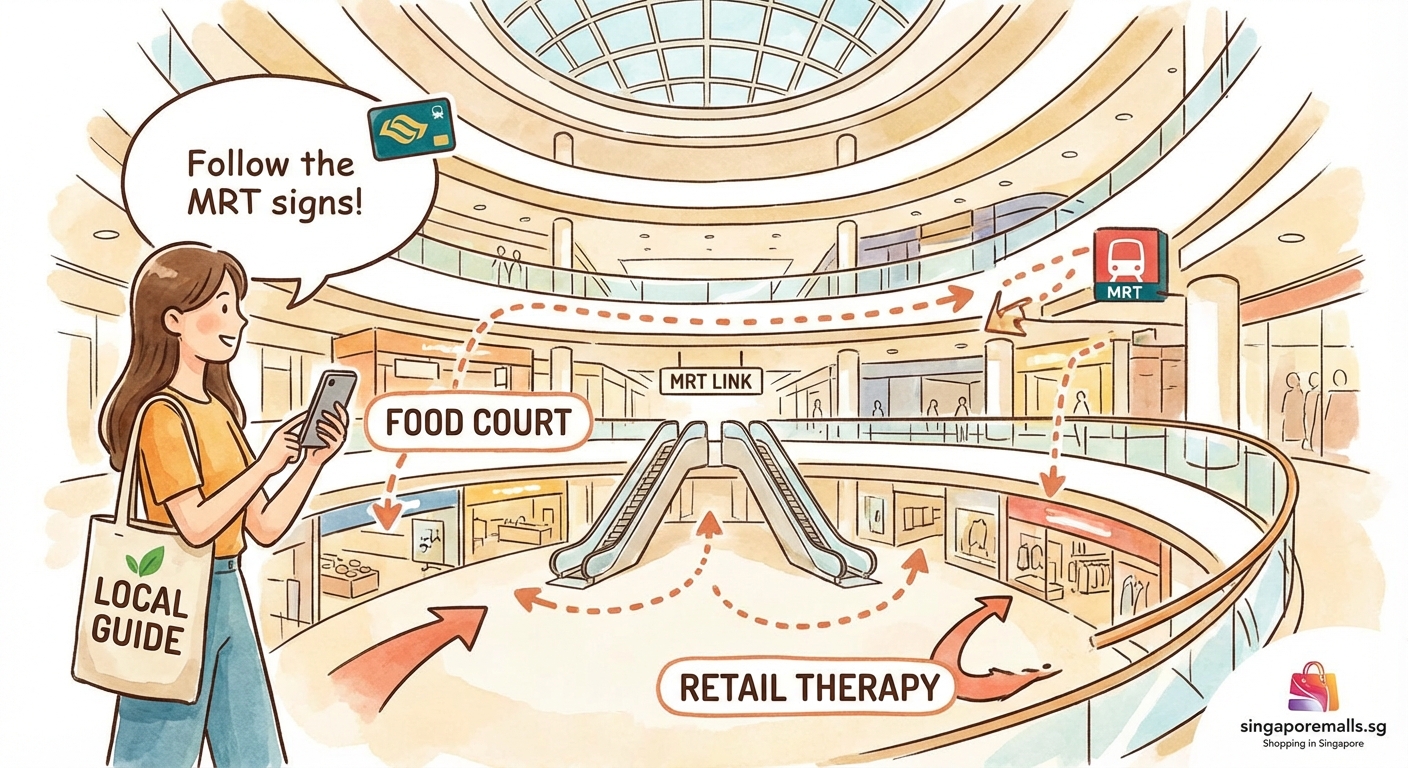
These shopping centers serve local communities first, tourists second or never.
Tiong Bahru Plaza sits in one of Singapore’s oldest estates. The basement NTUC FairPrice supermarket stays packed on weekends. Upstairs, you’ll find affordable fashion chains, a Popular bookstore, and a food court where chicken rice costs $3.50.
Clementi Mall connects directly to the MRT station. Locals love the budget-friendly shopping options here, especially the Spotlight craft store and Courts electronics outlet. The basement food court serves proper Malay food, not the sanitized tourist version.
Tampines 1 forms part of a massive mall cluster in the east. This is where families spend entire Sundays. Three floors of practical retail, a Giant supermarket, and multiple food options. The Century Square next door adds even more variety.
Junction 8 in Bishan serves the central region. Weekday lunch hours see office workers flooding the food court. The NTUC supermarket here stocks harder-to-find ingredients that expat-focused stores skip.
Causeway Point in Woodlands caters to the north. Malaysians cross the border to shop here on weekends. You’ll find a mix of Singapore and Malaysian retail, plus food court options that reflect the diverse neighborhood.
How locals shop differently from tourists
Singaporeans treat malls as community spaces, not just shopping destinations.
They arrive early. Weekend mornings at 10 AM see retirees walking laps for exercise before the crowds arrive. Food courts fill up by 11:30 AM for early lunch.
Locals never pay full price. They wait for sales, use credit card promotions, and know which stores offer better deals. The mall membership programs get used religiously.
They eat at specific stalls. In any food court, you’ll see long queues at two or three stalls while others sit empty. Follow the queue. That’s where the good food is.
Parking matters. Locals know which malls offer free parking with minimum spend, which have cheaper rates on weekdays, and where to find street parking nearby.
“I only go to Orchard for specific brands or during Great Singapore Sale. Everything else, I can get at my neighborhood mall for less money and less hassle.” – Sarah, Tampines resident
The best times to visit for an authentic experience
Timing changes everything. Visit at the wrong hour and you’ll still feel like a tourist.
Weekday mornings (10 AM to 12 PM) show you retiree culture. Elderly residents meet friends for coffee, do their marketing at the supermarket, and chat with familiar shop owners. Malls feel calm and spacious.
Weekday lunch (12 PM to 2 PM) brings office workers. Food courts transform into bustling canteens. You’ll see the real pace of working Singaporean life.
Weekend mornings (9 AM to 11 AM) belong to families. Parents bring kids for breakfast before weekend activities start. Playgrounds fill up. The atmosphere feels residential and relaxed.
Sunday evenings (5 PM to 8 PM) see families wrapping up their weekend. Dinner crowds pack the restaurants. Supermarkets get busy with people buying groceries for the week ahead.
Avoid Saturday afternoons. That’s when everyone shops, locals and tourists alike. Crowds, noise, and long waits for everything.
What to look for in a local mall
Not all neighborhood malls feel equally authentic. Some cater more to expats or tourists despite their location.
Check the supermarket. If it’s NTUC FairPrice or Giant, you’re in a local mall. If it’s Cold Storage or Marketplace, the mall targets a different demographic.
Look at the food court prices. Meals under $5 indicate local pricing. Anything over $7 for basic dishes means tourist markup.
Count the bubble tea shops. One or two is normal. Five or more suggests the mall chases trends rather than serving residents.
Notice the shops. Locals need tailors, watch repair, phone screen replacement, and tuition centers. Tourist malls skip these practical services for more retail space.
Watch the crowd. If you hear mostly English, you’re in an expat area. Local malls feature conversations in multiple languages and dialects.
| Local mall features | Tourist mall features |
|---|---|
| NTUC or Giant supermarket | Cold Storage or premium grocers |
| Food court meals under $5 | Restaurant-style pricing |
| Practical services (tailoring, repairs) | Luxury retail focus |
| Multi-language conversations | Predominantly English |
| Weekday morning retiree crowds | Consistent tourist presence |
| Connected to HDB estates | Standalone destination |
Hidden spots locals love
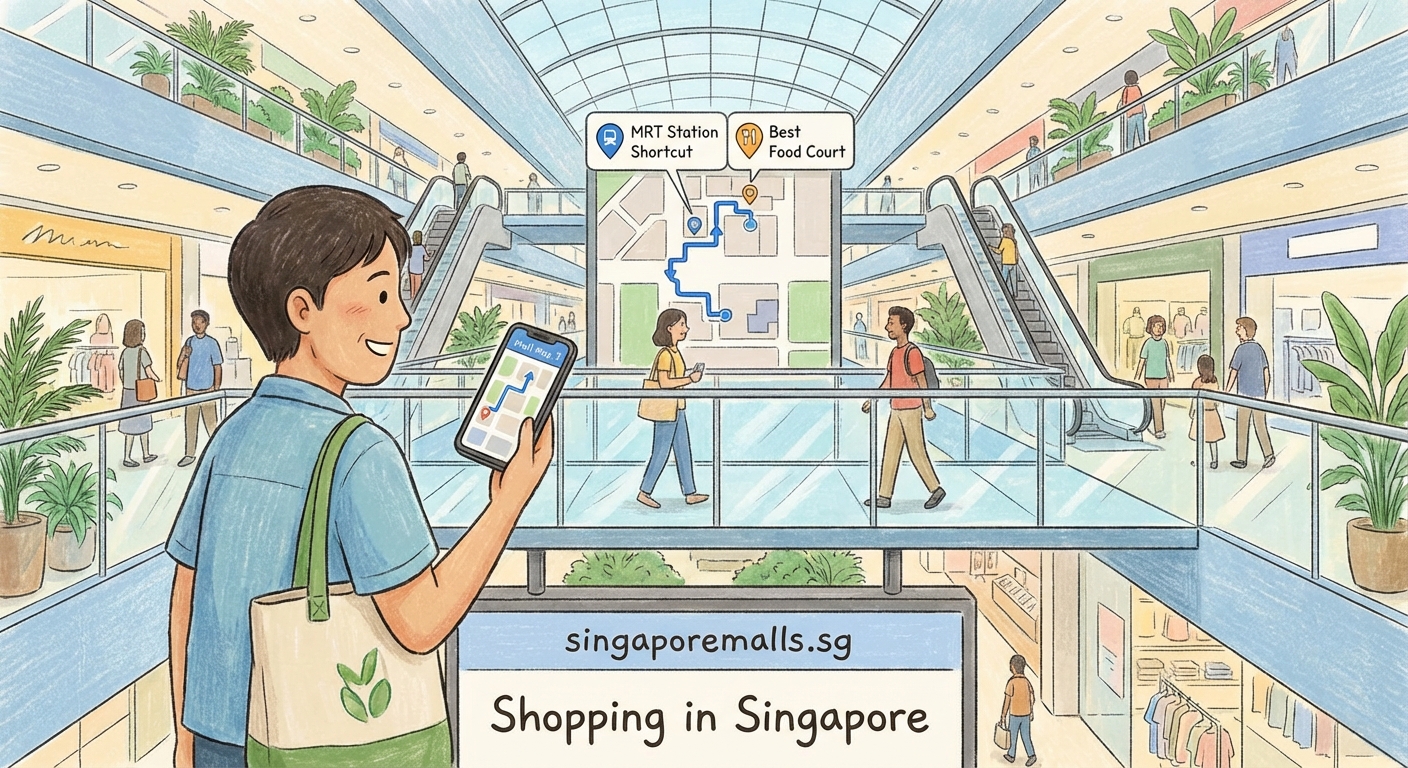
Every neighborhood mall has secret favorites that residents guard jealously.
Basement supermarkets after 8 PM offer discounted fresh food. Bakeries mark down bread. Sushi counters slash prices on same-day items. Locals time their shopping to catch these deals.
Upper floor food courts cost less than ground-level restaurants. Same food, same quality, half the price. The affordable dining options here beat any tourist food court.
Neighborhood kopitiam chains like Toast Box and Ya Kun serve breakfast sets that locals actually eat. Kaya toast, soft-boiled eggs, and coffee for under $5. Skip the fancy cafes.
Provision shops sell drinks and snacks at heartland prices. That $2 can of soda costs $4 at tourist spots. Locals know to grab drinks before hitting the cinema or restaurants.
Community notice boards near supermarket entrances advertise local services, events, and classes. You’ll find everything from piano teachers to home repair services at neighborhood rates.
Where families with kids actually go
Parents avoid tourist malls because they’re expensive and impractical. Local malls offer better family infrastructure.
Family-friendly options matter more than fancy retail. Parents need nursing rooms, diaper changing stations, and spaces where kids can move around safely.
Waterway Point in Punggol has a massive outdoor playground. Free, safe, and popular with families. The mall itself offers practical retail and reasonable food options.
Compass One in Sengkang serves the young family demographic. Multiple kids’ enrichment centers, a library branch, and plenty of affordable food choices.
White Sands in Pasir Ris sits near the beach and park. Families combine mall visits with outdoor activities. The indoor playgrounds here save rainy day plans.
Lot One in Choa Chu Kang offers a cinema, bowling alley, and ice skating rink. Everything a family needs for a full day out without traveling to the city center.
Food court secrets every local knows
Food courts separate tourist malls from local ones instantly.
Locals never eat at the first food court they see. They walk past the fancy ones on upper floors and head to the basement or top floor where rent costs less and prices stay reasonable.
They order from stalls with queues. Empty stalls stay empty for a reason. Even if you wait 10 minutes, the food will taste better.
They know the good stalls by name. “The chicken rice uncle at Clementi Mall.” “The laksa auntie at Tampines 1.” Regulars build relationships with hawkers.
They avoid peak hours or arrive early to secure seats. Lunch from 12 to 1 PM gets chaotic. Come at 11:30 AM or wait until 1:30 PM.
They bring their own tissues and drinks. Food courts provide neither. Locals always carry a tissue pack and buy drinks from the provision shop instead of paying food court prices.
The halal restaurant options in neighborhood malls often beat the tourist-area equivalents for authenticity and price.
Shopping strategies locals use
Singaporeans shop strategically, not impulsively.
-
Check flyers and apps before leaving home. Every mall publishes weekly promotions. Locals review these and plan shopping trips around deals.
-
Combine errands efficiently. Grocery shopping, bill payment, and retail purchases all happen in one trip. Malls function as one-stop service centers.
-
Use credit card promotions religiously. Different cards offer different mall discounts. Locals carry multiple cards and know which to use where.
-
Shop during sale periods. Great Singapore Sale, year-end sales, and store anniversary sales bring real discounts. Locals rarely buy at full price.
-
Build relationships with shop staff. Regular customers get notified about upcoming sales, special orders, and extra discounts. This matters more in neighborhood malls where staff turnover stays lower.
-
Compare prices across malls. That same item might cost 20 percent less at a heartland mall than at Orchard Road. Locals check before buying.
The credit card and mall discount stacking strategies make a real difference in annual savings.
Getting around like a local
Transportation choices reveal who knows Singapore and who doesn’t.
Locals take the MRT to malls. Most neighborhood shopping centers connect directly to stations. Parking costs money. Public transport doesn’t.
They know the air-conditioned walking routes between connected malls. In areas like Tampines or Jurong East, you can walk between three or four malls without going outside.
They avoid weekend driving. Traffic and parking headaches aren’t worth it. If they must drive, they arrive before 10 AM or after 8 PM when parking spaces open up.
They use mall shuttle buses. Some shopping centers run free shuttles from nearby estates. Locals know the schedules and routes.
They walk from nearby HDB blocks. Many residents live within 10 minutes of their neighborhood mall. That’s by design.
What locals skip entirely
Some mall features exist purely for tourists. Locals ignore them completely.
Souvenir shops get zero local traffic. Singaporeans don’t buy Singapore-themed merchandise. These shops survive entirely on tourist dollars.
Overpriced cafes with Instagram-worthy interiors charge double for average food. Locals grab coffee from Ya Kun or Toast Box for a third of the price.
Luxury retail floors in neighborhood malls feel out of place. Most locals bypass these entirely, heading straight to practical retail.
Tourist information counters serve no purpose for residents. Locals already know the mall layout, store locations, and facilities.
Currency exchange booths charge terrible rates. Locals use banks or ATMs, never airport or mall exchange counters.
Evening and night shopping habits
After-work shopping follows different patterns than weekend trips.
Weeknight crowds (7 PM to 9 PM) consist mostly of working adults. They grab dinner, pick up groceries, and run errands after office hours.
The late-night shopping options matter for shift workers and night owls. Some malls stay open past 10 PM, but most locals finish shopping by 9 PM.
Supermarkets get busy between 7 and 8 PM. Working adults stop by on their way home. Smart shoppers arrive at 8:30 PM for discounted fresh items.
Food courts wind down after 8 PM. Many stalls close early. Locals eat dinner by 7 PM if they want full menu selection.
Seasonal shopping patterns
Locals time major purchases around predictable sale periods.
Great Singapore Sale (June to July) brings genuine discounts. Locals buy big-ticket items during this period. Electronics, furniture, and fashion all go on sale.
Year-end sales (November to December) offer another major shopping window. Locals stock up on gifts and personal items.
Chinese New Year sales (January to February) focus on home goods, clothing, and food items. Neighborhood malls decorate heavily and extend hours.
Back-to-school sales (November to December) matter for families. School supplies, uniforms, and electronics get discounted.
The monthly promotion calendar helps plan shopping trips around these predictable patterns.
Making the most of your local mall experience
Start with one neighborhood mall. Spend a few hours observing patterns. Watch where locals queue for food. Notice which shops stay busy.
Visit on a weekday morning first. You’ll see the mall at its most authentic, without weekend crowds or tourist presence.
Eat at the food court. Skip restaurants for your first visit. Order from a stall with a queue. Bring tissues.
Check out the supermarket. Walk every aisle. Notice the products, prices, and shoppers. This tells you more about local life than any guidebook.
Talk to shop owners if you can. Neighborhood mall staff often work there for years. They know the community and can offer recommendations.
Return on a weekend to see the family atmosphere. The vibe changes completely when parents and kids fill the mall.
Try different neighborhoods. Each area has its own character. Tampines feels different from Clementi, which differs from Jurong East.
Where you’ll find authentic Singapore shopping culture
The best local mall experiences happen in established HDB estates. These neighborhoods have mature communities and shopping centers that evolved with residents’ needs.
Ang Mo Kio Hub serves one of Singapore’s oldest estates. The mall reflects decades of community development. Three levels of practical retail, a massive NTUC, and food options that span generations.
Bedok Mall captures the east side vibe perfectly. Working-class families, retirees, and young professionals all shop here. The mix of old-school shops and modern retail shows Singapore’s evolution.
Bukit Panjang Plaza offers a west side perspective. Less polished than central malls, more authentic as a result. The crowd here represents everyday Singapore.
Hougang Mall sits in a dense residential area. Weekends see the place packed with families. The food court here rivals any hawker center for variety and price.
These malls won’t appear in tourist guides. That’s exactly why locals love them. No crowds, no inflated prices, no performative “local experience.” Just regular Singaporeans going about their daily lives.
The hidden shopping gems often hide in plain sight within these neighborhood centers.
Your neighborhood mall starting point
Pick a mall near where you’re staying. Give yourself three hours. Arrive at 10 AM on a weekday.
Walk every floor. Notice the shops, the people, the atmosphere. Eat at the food court. Buy groceries at the supermarket. Sit and watch for 30 minutes.
You’ll learn more about Singapore in those three hours than a week of tourist attractions. Because this is where actual life happens. Where families shop, friends meet, and communities gather.
The mega malls of Orchard Road have their place. But if you want to understand where and how locals actually shop, start with the neighborhood mall down the street from any HDB estate. That’s where real Singapore shopping culture lives.