
How to Plan Your Mall Visit Around Singapore’s Best Seasonal Festivals
Singapore’s shopping malls transform into vibrant cultural hubs throughout the year, hosting everything from lantern festivals to Christmas wonderlands. Whether you’re timing your visit around the Great Singapore Sale or stumbling upon a weekend pop-up market, these retail spaces offer far more than just shopping. The best part? Most events are completely free and designed to blend retail therapy with authentic cultural experiences.
Singapore malls host seasonal festivals year-round, from Chinese New Year lion dances to Deepavali light displays and Christmas markets. Major events like the Great Singapore Sale (June to August) and year-end festivities offer shopping deals alongside cultural performances. Most events are free, though some require advance registration. Check individual mall websites or social media for current schedules and special promotions tied to festival periods.
Major festivals that transform Singapore malls
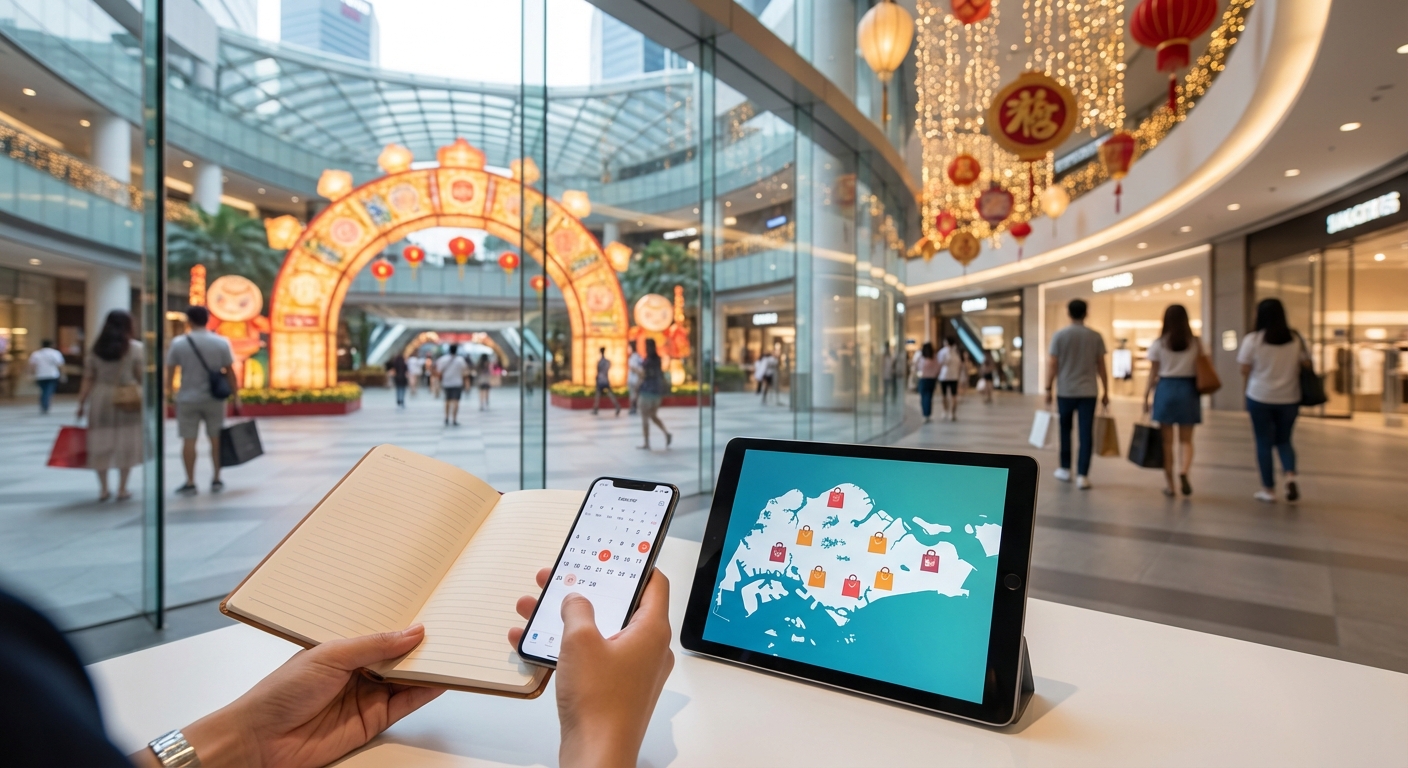
Chinese New Year brings the most dramatic transformations to shopping centers across the island. Starting in late January or early February, malls like ION Orchard and Marina Bay Sands install massive zodiac animal installations, red lanterns, and prosperity trees.
VivoCity typically hosts traditional lion dance performances during weekends leading up to the holiday. The performances run multiple times daily, usually at 2 PM and 5 PM.
Families gather to watch acrobatic dancers weave between shoppers while drums echo through the atrium.
Deepavali celebrations light up malls in Little India and beyond. Mustafa Centre and City Square Mall become especially festive, with kolam art installations and traditional music performances. The events usually span two weeks in October or November.
Christmas season stretches from mid-November through early January. Orchard Road malls compete for the most impressive displays. Navigating Orchard Road’s shopping malls becomes an adventure during this period, with each venue offering unique photo opportunities.
Takashimaya’s annual Christmas display typically features a different theme each year, from winter wonderlands to tropical interpretations of the holiday. Ngee Ann City installs a towering Christmas tree in its atrium, often reaching three stories high.
Mid-Autumn Festival brings mooncake fairs and lantern displays to malls in September. Chinatown Point and Plaza Singapura set up dedicated sections where vendors sell traditional and modern mooncake varieties. Children can participate in lantern-making workshops, usually held on weekend afternoons.
How to find current event schedules
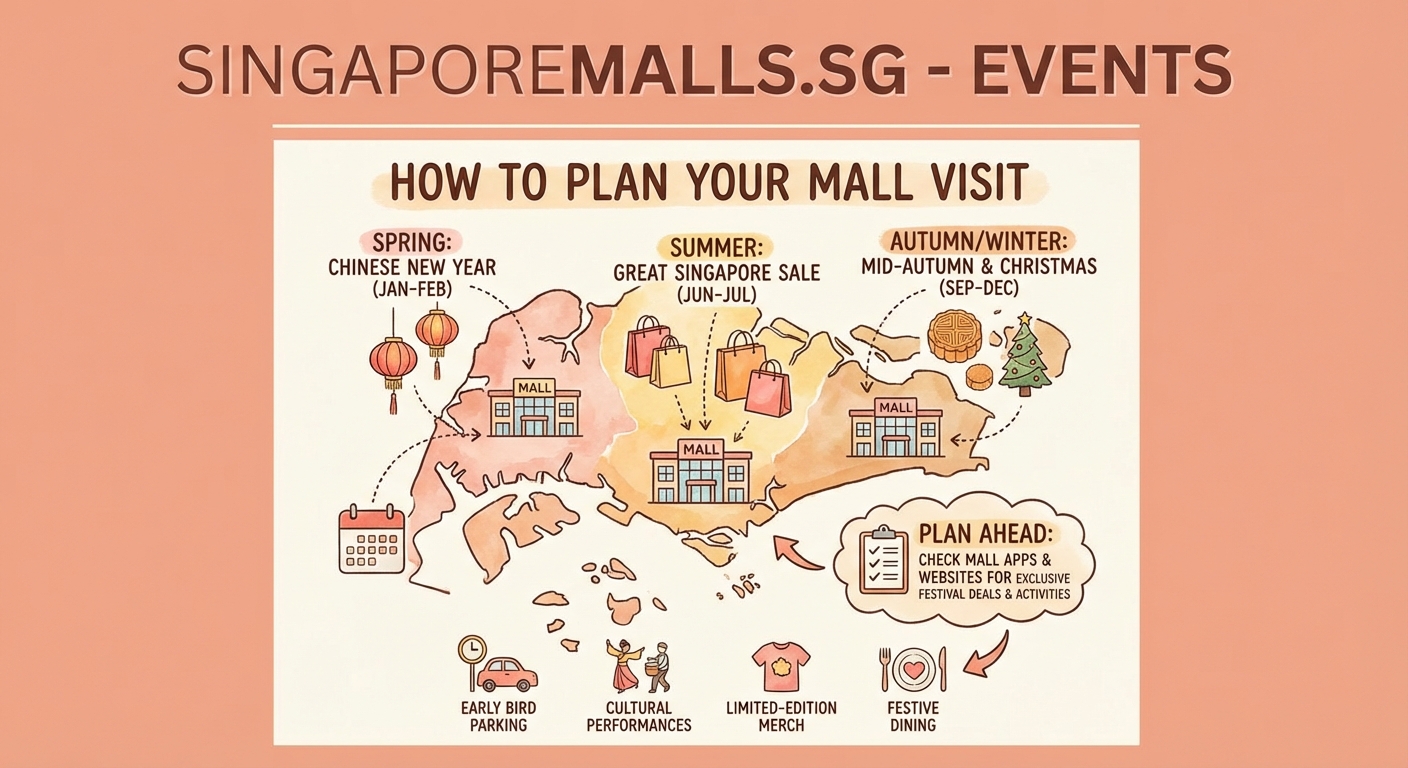
Most malls post their event calendars on official websites and Instagram accounts. Check these sources first when planning your visit.
The Singapore Tourism Board maintains a comprehensive events calendar that includes major mall festivals. Filter by date and location to find celebrations near your accommodation.
Mall management offices can provide printed event schedules. Stop by the information counter on the ground floor of any major shopping center.
Download individual mall apps for push notifications about upcoming events. Apps like the ION+ Rewards or VivoCity app send alerts about performances, workshops, and special promotions.
Facebook events pages often contain more detailed information than official websites. You can see attendee counts, read comments from previous visitors, and find user-generated photos.
“Check social media accounts three to five days before your planned visit. Malls often announce surprise performances or extend popular events based on crowd response.” – Mall events coordinator
Sign up for mall membership programs to receive early access information. The best mall membership programs often include exclusive event previews and reserved seating at performances.
Planning your visit around the Great Singapore Sale
The Great Singapore Sale runs from late May through August, with peak activity in June and July. This nationwide shopping festival brings concerts, fashion shows, and cultural performances to major malls.
Here’s how to maximize your experience:
- Visit on weekday mornings between 11 AM and 2 PM for smaller crowds and better access to event areas.
- Download the official GSS app to track flash sales, event schedules, and exclusive mall promotions.
- Register for events in advance through mall websites, as popular activities like cooking demonstrations and celebrity meet-and-greets fill up within hours.
- Combine shopping with dining deals, as many malls offer food court promotions during the sale period.
- Plan for extended mall hours, with many locations staying open until 11 PM or midnight during GSS weekends.
Different malls specialize in different product categories during GSS. Bugis Junction focuses on youth fashion and streetwear. Paragon emphasizes luxury brands and jewelry. Funan highlights electronics and gaming gear.
Stacking credit card promotions with mall discounts becomes especially valuable during this period, as banks offer additional cashback on top of GSS markdowns.
Free entertainment options at mall festivals
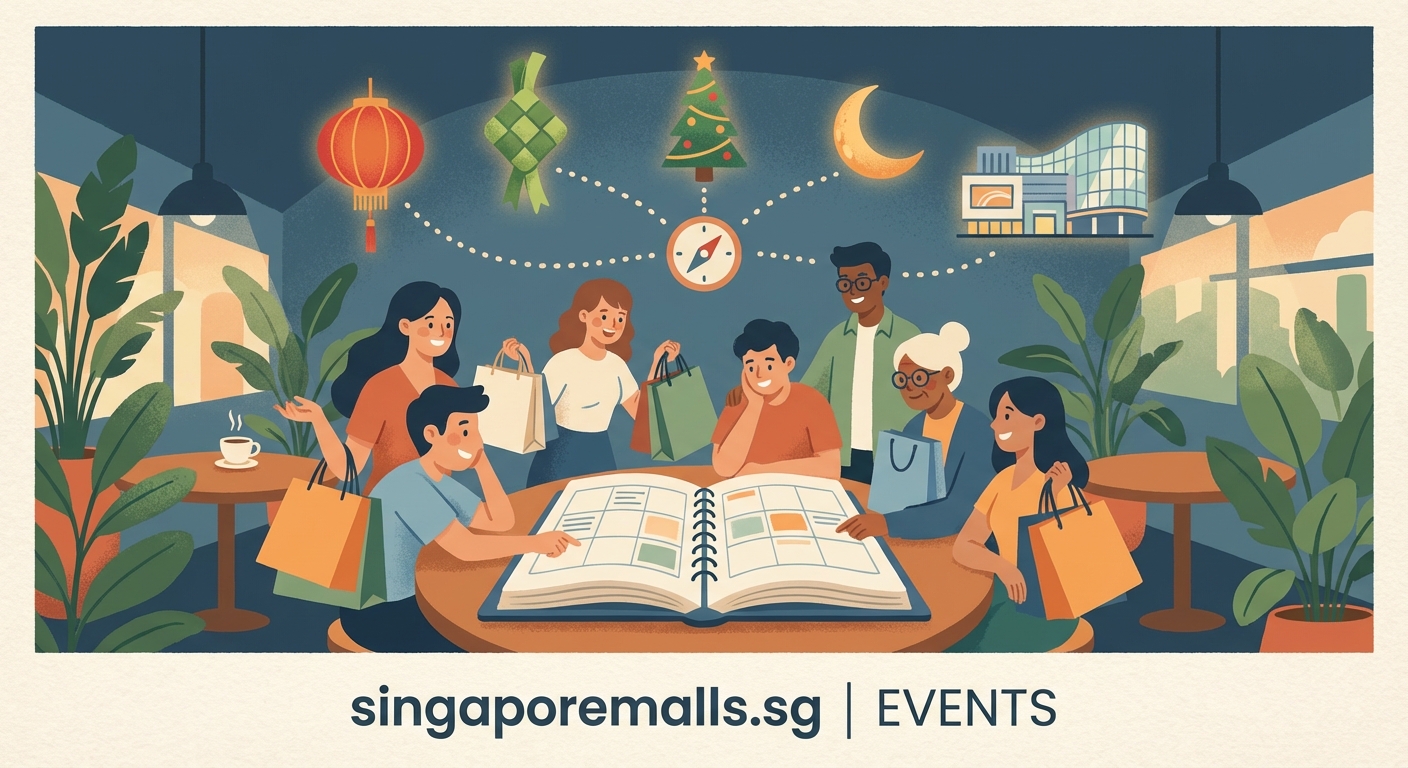
Most Singapore mall festivals offer completely free entertainment. No tickets required, no advance booking needed for general viewing areas.
Street performers and buskers often set up near main entrances during major festivals. Marina Square and Suntec City host rotating acts throughout the day, from magicians to acoustic musicians.
Cultural dance performances happen multiple times daily during festival periods. Catch traditional Chinese opera snippets, Malay kompang drum circles, or Indian classical dance at various venues.
Children’s activities include face painting, balloon sculpting, and craft workshops. Family-friendly malls expand their programming during school holidays, which often coincide with major festivals.
Photo opportunities with elaborate installations cost nothing but create lasting memories. Bring your own camera or smartphone. Professional photographers sometimes offer paid packages, but self-photography is always welcome.
Live music performances range from local indie bands to international touring acts. Check schedules for specific artists, as some malls book well-known performers during peak festival periods.
Movie screenings occasionally happen in mall atriums during film festival tie-ins. The best cinemas in Singapore malls sometimes extend promotions to these outdoor screening events.
Understanding event registration requirements
Some popular events require advance registration even when they’re free. Cooking demonstrations, celebrity appearances, and limited-capacity workshops fall into this category.
Registration typically opens two weeks before the event. Set calendar reminders to register on the opening day, as spots disappear fast.
| Event Type | Registration Needed | Typical Lead Time | Capacity |
|---|---|---|---|
| Cultural performances | No | Walk-in | Unlimited standing |
| Cooking demos | Yes | 2 weeks ahead | 30-50 people |
| Meet and greets | Yes | 1 week ahead | 100-200 people |
| Craft workshops | Sometimes | 1 week ahead | 20-40 people |
| Photo installations | No | Walk-in | Queue system |
| Fashion shows | No | Walk-in | First-come seating |
Bring identification to registered events. Most venues check names against a list at entry points.
Children’s events often have age restrictions. Read fine print carefully before registering your family.
Cancellation policies vary by mall. Some allow cancellations up to 24 hours before, while others don’t permit changes once confirmed.
Wait lists exist for popular events. Add your name even if initial registration is full. Many people cancel closer to the event date.
Seasonal pop-up markets worth visiting
Pop-up markets rotate through malls monthly, offering artisan goods, vintage clothing, and specialty foods. These temporary retail spaces often tie into broader festival themes.
Pop-up markets coming to Singapore malls feature local designers and small businesses that don’t maintain permanent storefronts. You’ll find unique gifts not available in regular retail stores.
Weekend markets at Jewel Changi Airport showcase regional crafts from across Southeast Asia. What makes Jewel different from other malls includes its focus on experiential retail and rotating vendor programs.
Night markets occasionally pop up at outdoor mall spaces like Vivocity’s waterfront area. These evening events combine shopping with live entertainment and food trucks.
Vintage and secondhand markets appear during sustainability-focused months. Plaza Singapura and Bugis+ host regular pre-loved fashion markets where shoppers can find designer pieces at fraction of retail prices.
Artisan food markets feature local producers selling everything from homemade kaya to craft chocolate. Sample products before buying, as most vendors offer tastings.
Holiday gift markets dominate November and December. Expect Christmas markets at major Orchard Road locations and specialty Lunar New Year markets in February.
Mistakes to avoid when attending mall events
Arriving too early or too late affects your experience. Most performances start promptly at scheduled times, but prime viewing spots fill 15 to 20 minutes beforehand.
Assuming all events are free can lead to disappointment. While most cultural performances cost nothing, some workshops and special experiences require paid tickets or minimum spending.
| Common Mistake | Why It’s a Problem | Better Approach |
|---|---|---|
| Not checking mall hours | Events may run past regular closing | Verify extended hours for event days |
| Bringing large bags | Security checks slow entry | Use small bags or lockers |
| Ignoring age guidelines | Children may not enjoy adult-focused events | Read event descriptions carefully |
| Skipping advance registration | Missing out on capacity-limited activities | Register when bookings open |
| Parking at the venue | Lots fill quickly during events | Use public transport or connected mall walking routes |
Forgetting to check weather impacts outdoor events. Some malls have partially covered atriums that become uncomfortable during heavy rain.
Overlooking dining reservations during peak festival periods means long waits. Fine dining on a budget requires advance planning during major shopping festivals.
Not following mall social media means missing last-minute schedule changes. Events occasionally get rescheduled due to technical issues or performer availability.
Monthly festival calendar at a glance
January kicks off with New Year sales and Chinese New Year preparations. Expect progressive decorations throughout the month as malls transition from Western to Asian new year themes.
February centers on Chinese New Year celebrations, with most events happening in the two weeks surrounding the holiday. Post-festival clearance sales begin immediately after.
March and April bring spring-themed events and Easter activities for children. Some malls host egg hunts and bunny photo opportunities.
May starts the Great Singapore Sale preview period. Monthly promotion calendars help track which malls launch early-bird deals.
June through August represent peak GSS activity. Nearly every major mall hosts multiple events weekly.
September features Mid-Autumn Festival celebrations with mooncake fairs and lantern displays.
October brings Deepavali festivities, especially prominent at malls in Little India and Serangoon areas.
November marks the start of Christmas season. Decorations go up immediately after Deepavali concludes.
December offers the most extensive programming, with daily performances, Santa meet-and-greets, and holiday markets at major venues.
Interactive experiences replacing traditional displays
Modern mall events emphasize participation over passive viewing. Augmented reality installations let visitors interact with digital elements through smartphone apps.
ION Orchard’s seasonal campaigns often include AR treasure hunts where shoppers scan QR codes throughout the mall to collect virtual rewards redeemable for actual prizes.
Projection mapping shows transform plain walls into animated storytelling surfaces. These short films run on loops, typically lasting 5 to 10 minutes.
Interactive experiences at Singapore malls now include virtual reality stations where visitors can experience cultural traditions from different perspectives.
Gamification elements encourage repeat visits. Collect stamps at different event stations to complete challenges and win prizes.
Social media integration creates shareable moments. Hashtag campaigns and photo contests drive engagement beyond the physical event space.
Workshops teach traditional crafts with modern twists. Learn to make digital lantern designs or create fusion mooncakes combining Western and Asian flavors.
Tips for families attending with young children
Planning a family shopping day during festival periods requires extra preparation. Crowds are larger and events run longer than typical mall visits.
Bring strollers even if your child usually walks. Festival crowds tire little legs quickly. Most malls provide stroller parking near event areas.
Pack snacks and water bottles. While food courts remain worth visiting, long lines during peak festival times make having backup provisions smart.
Identify quiet zones before events start. Nursing rooms and baby care facilities provide refuge when overstimulation strikes.
Set clear expectations about what you’ll see and do. Show children photos of previous years’ events so they know what to anticipate.
Schedule breaks between activities. Don’t try to attend every performance or workshop in one visit.
Use festival events as educational opportunities. Discuss cultural significance of decorations, traditional clothing, and ceremonial practices you observe.
Free kids activities multiply during festival periods, but they also attract more participants. Arrive early for craft workshops and hands-on activities.
Making the most of evening festival programs
Many malls extend hours during major festivals, with special evening programming starting after 7 PM. The atmosphere shifts as office workers join tourists and families.
Late-night shopping options expand during festival periods, with some stores staying open until midnight.
Evening performances often feature more elaborate production values. Lighting effects and sound systems create immersive experiences impossible during bright afternoon hours.
Dinner and show packages combine dining with entertainment. Some restaurants near event spaces offer special menus timed to performance schedules.
Cooler temperatures make evening visits more comfortable, especially for outdoor or semi-outdoor mall spaces. The tropical heat diminishes after sunset, improving the festival experience.
Crowd composition changes in evenings. Fewer young children mean quieter viewing conditions for performances requiring concentration.
Photography improves with festival lighting. The golden hour before sunset and blue hour after create stunning backdrops for installation photos.
Combining luxury shopping with cultural celebrations
Luxury brand shopping intensifies during festival periods as brands launch limited-edition collections tied to cultural celebrations.
Paragon and The Shoppes at Marina Bay Sands host exclusive preview events for VIP customers during major festivals. These invitation-only gatherings feature champagne, canapés, and first access to seasonal collections.
Personal shoppers at luxury malls can coordinate your visit around festival events. They’ll time your appointments between performances and arrange for purchases to be held so you can enjoy events unencumbered.
Some high-end retailers create their own cultural programming. Watch for calligraphy demonstrations, tea ceremonies, and traditional music performances inside boutiques.
Festival gift-wrapping services at luxury counters often incorporate cultural elements. Chinese New Year purchases might include red and gold packaging with hand-tied knots.
Private shopping lounges provide respite from festival crowds while maintaining access to celebrations. VIP cardholders can watch performances from exclusive viewing areas.
What happens when festivals overlap
Singapore’s multicultural calendar occasionally creates festival overlaps. When Chinese New Year falls near Valentine’s Day or when Deepavali approaches Christmas season, malls blend themes creatively.
Dual decorations appear throughout shopping centers. Red lanterns might hang alongside heart-shaped installations, or traditional oil lamps share space with Christmas trees.
Programming schedules accommodate multiple celebrations. A single weekend might feature both lion dances and holiday carolers.
Food courts and restaurants offer fusion menus reflecting overlapping festivals. Expect heart-shaped pineapple tarts during Chinese New Year-Valentine’s crossovers or turkey curry during Thanksgiving-Deepavali periods.
Shopping promotions layer multiple festival discounts. Smart shoppers benefit from compounded savings when celebrations coincide.
Cultural sensitivity remains paramount. Malls carefully balance representation to honor each tradition appropriately without diluting their significance.
Your festival-ready mall visit starts now
Singapore mall festivals and events create perfect opportunities to experience local culture while enjoying world-class shopping. Start by checking calendars for your travel dates, then build your itinerary around can’t-miss celebrations. Register early for capacity-limited workshops, but leave room for spontaneous discoveries. The best festival memories often come from stumbling onto unexpected performances or striking up conversations with artisans at pop-up markets. Whether you’re hunting bargains during the Great Singapore Sale or simply soaking in Deepavali’s colorful displays, Singapore’s malls offer year-round reasons to visit beyond retail therapy.