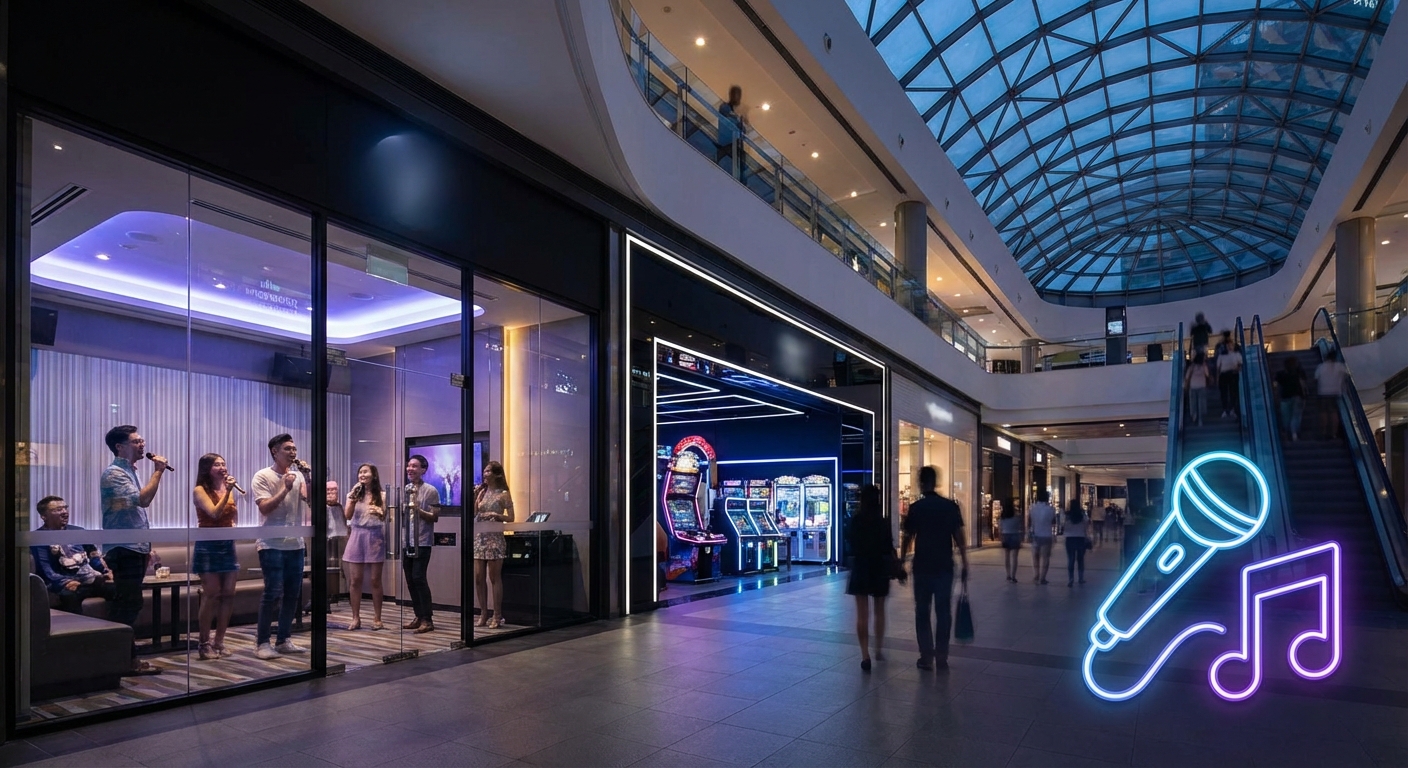

Ultimate Guide to Karaoke Lounges and Entertainment Venues in Singapore Malls
Finding the perfect karaoke spot in Singapore shouldn’t feel like guessing which room has the best sound system or whether you’ll blow your budget before ordering snacks. Whether you’re planning a birthday celebration, a post-work hangout, or just need an excuse to belt out your favorite songs with friends, the right venue makes all the difference. Singapore’s malls house dozens of karaoke lounges, each with different pricing structures, room sizes, and equipment quality.
Singapore’s best karaoke venues sit inside major shopping malls, offering rooms from $20 to $80 per hour depending on size and time. Weekday afternoons cost less, while Friday and Saturday nights require advance booking. Most lounges provide updated song libraries, quality microphones, and food delivery options. Group sizes between four and eight people get the best value per person.
What makes a karaoke lounge worth your money
Not all karaoke rooms deliver the same experience. The best venues balance sound quality, song selection, room comfort, and fair pricing.
Sound systems matter more than fancy decor. A room with clear speakers and responsive microphones beats Instagram-worthy neon lights every time. You want to hear the backing track without distortion and your voice without annoying echoes.
Song libraries separate mediocre spots from great ones. The top lounges update their systems monthly with new releases, K-pop hits, Mandopop favorites, and English classics. Some venues still run outdated catalogs from 2019, which kills the vibe when half your group can’t find their go-to songs.
Room size affects your budget and comfort. A cramped space for eight people ruins the fun. Most venues offer small rooms (2-4 people), medium rooms (5-8 people), and large rooms (9-15 people). Match your group size to avoid paying for wasted space or sitting on the floor.
Location inside malls adds convenience. The best karaoke lounges sit near food courts and dining options, making it easy to grab dinner before or after your session. Mall locations also mean covered parking, easy MRT access, and nearby shops if you need to kill time before your booking.
Price breakdown by mall and time slot
Karaoke pricing in Singapore follows predictable patterns. Understanding these helps you plan smarter and save money.
| Time Slot | Weekday Price Range | Weekend Price Range | Best For |
|---|---|---|---|
| 11am-3pm | $20-35/hour | $25-40/hour | Budget groups |
| 3pm-7pm | $30-45/hour | $40-55/hour | After-work sessions |
| 7pm-12am | $45-65/hour | $60-80/hour | Prime-time parties |
| 12am-6am | $35-50/hour | $45-60/hour | Night owls |
Orchard Road venues charge premium rates. Expect to pay $10-15 more per hour compared to suburban malls. The trade-off? Better equipment, newer song selections, and more reliable booking systems.
Jurong East and Tampines locations offer better value. These malls house karaoke lounges that charge 20-30% less than central locations while maintaining decent quality. Perfect if your group lives in the area or doesn’t mind a longer commute.
Package deals beat hourly rates for long sessions. Most venues offer 3-hour, 5-hour, or all-day packages that reduce the per-hour cost by 15-25%. A typical 5-hour weekend package runs $200-280 instead of $300-400 if booked hourly.
Member discounts stack with off-peak pricing. Some chains offer loyalty programs that knock off another $5-10 per hour. Combined with weekday afternoon rates, you can score a room for under $25/hour.
Top karaoke chains and their standout features
Different chains cater to different crowds. Knowing what each offers helps you pick the right fit.
Teo Heng KTV dominates the budget-friendly segment. Their no-frills approach keeps prices low while maintaining acceptable sound quality. Expect basic rooms, functional equipment, and straightforward pricing. Best for groups who care more about singing than ambiance. Locations across Orchard, Katong, Suntec City, and Hougang.
K.Star Karaoke targets the mid-range market with better aesthetics and equipment. Rooms feature mood lighting, comfortable seating, and responsive touch-screen systems. Song selection leans heavily into K-pop and recent chart-toppers. Popular spots include Bugis Junction, Parkway Parade, and Westgate.
Manekineko brings Japanese-style karaoke to Singapore. Smaller, more intimate rooms suit couples or small groups. Premium sound isolation means you won’t hear neighboring rooms. Higher prices ($50-70/hour on weekends) reflect the quality upgrade. Find them at The Centrepoint, Velocity, and Plaza Singapura.
Party World KTV offers luxury karaoke experiences. Spacious rooms, premium food menus, and top-tier audio equipment justify the $60-90/hour price tag. Best for special occasions or corporate events. Main locations in Clarke Quay Central and Bugis+.
Each chain maintains different booking policies. Some require deposits for weekend prime-time slots. Others let you walk in on weekday afternoons without reservations.
How to book the perfect room for your group

Getting the right room at the right price takes a bit of strategy.
-
Count your actual attendees, not maybes. Book based on confirmed numbers to avoid overpaying for space. A room for six costs significantly less than one for ten.
-
Check multiple time slots before settling. Shifting your session one hour earlier can drop the price by $15-20 per hour. A 6pm start instead of 7pm saves real money over three hours.
-
Call venues directly for better deals. Online booking platforms charge convenience fees. Phone reservations sometimes unlock unadvertised promotions or flexible packages.
-
Ask about food and drink policies. Some venues allow outside food, others require minimum spending on their menu. Factor this into your total cost. A venue with lower room rates but mandatory $100 food minimum might cost more than a pricier room with no requirements.
-
Request specific rooms when booking. Corner rooms or those away from high-traffic areas offer better sound isolation. Mention this preference when reserving.
-
Confirm the song system language and update status. If your group wants recent releases or specific language catalogs, verify before paying the deposit.
The biggest mistake groups make is booking the cheapest room without checking capacity. You’ll spend the whole session uncomfortable, which defeats the purpose. Always go one size up if you’re on the fence between two room categories.
Song selection systems and how to navigate them
Modern karaoke systems use touchscreen interfaces, but quality varies dramatically between venues.
The best systems let you search by song title, artist, language, or genre. Type “Taylor Swift” and see her entire catalog. Filter by “Mandarin ballads” or “2024 releases” to narrow options fast.
Outdated systems force you to browse thick songbooks or scroll endless lists. This wastes 15-20 minutes of your paid session. Before booking, ask venues about their search interface.
Queue management matters for larger groups. Good systems let multiple people add songs to a shared queue from different tablets. Everyone gets fair turns without arguing over one remote.
Some venues offer mobile app integration. Download their app, browse songs from your phone, and add selections to your room’s queue. This beats passing around a single tablet.
Language distribution reflects Singapore’s demographics. Expect 30-40% English songs, 25-35% Mandarin, 15-25% Korean, and the rest split between Japanese, Malay, Tamil, and other languages. Specialty venues might skew these ratios.
Requesting song updates works at some chains. If your favorite new release isn’t available, mention it to staff. Venues that care about customer experience actually add requested songs to their next update.
Common mistakes that waste money and time

Learning from others’ errors saves you frustration and cash.
Booking too early for your group’s schedule. Half your friends running late means you’re paying for an empty room. Build in a 15-minute buffer when setting your start time, or meet at a nearby cafe first.
Ignoring minimum spending requirements. Some venues require $50-100 spent on food and drinks. If you already ate dinner, this forces unnecessary purchases. Check policies before booking.
Skipping the sound check. Spend the first two minutes testing microphone volume, echo settings, and speaker balance. Adjusting these mid-session breaks the flow.
Overordering food at the start. Karaoke lounges mark up menu items significantly. Order light snacks initially, then add more if needed. You’re there to sing, not feast.
Not reading extension policies. Running over your booked time triggers premium rates, sometimes double the original hourly price. Set a phone alarm for 15 minutes before your session ends to decide about extending.
Bringing too many people for the room size. Venues charge per room, not per person, but cramming 10 people into a 6-person room makes everyone miserable. The cost savings aren’t worth the discomfort.
Best malls for karaoke by neighborhood
Location convenience matters when half your group travels from different parts of Singapore.
Orchard Road concentrates the most options in one area. Walking between connected malls means you can compare venues before committing. Premium pricing but unmatched convenience for central meetups.
Bugis and Raffles Place serve the CBD crowd. Perfect for after-work sessions when your group finishes around 6-7pm. Expect competitive weekday afternoon pricing as venues try to fill rooms before the dinner rush.
Tampines and Jurong East deliver the best value in suburban locations. Lower rent translates to cheaper rates. Great if your friend group lives in the east or west.
Woodlands and Yishun offer budget options for northside residents. Fewer chains operate here, but the ones that do charge 30-40% less than Orchard equivalents.
Paya Lebar Quarter and Hougang balance accessibility and pricing. Not as expensive as Orchard, not as remote as far suburban malls. Good middle ground for mixed-location groups.
Consider your group’s transport situation. A venue near an MRT interchange beats one requiring a bus transfer, even if the latter costs $5 less per hour.
Food and drink options inside karaoke venues
Most karaoke lounges operate in-house kitchens or partner with nearby restaurants for delivery.
Menu prices run 50-80% higher than eating at regular restaurants. A plate of fried rice that costs $8 at a food court becomes $14 inside a karaoke room. Factor this markup into your budget.
Popular items include finger foods, pizza, fried chicken, and simple noodle dishes. Venues design menus around foods that don’t require utensils or make a mess.
Drink selections range from soft drinks to beer and spirits. Alcohol availability varies by venue. Some offer full bars, others only serve non-alcoholic beverages.
Outside food policies differ dramatically. Budget chains often allow you to bring your own snacks and drinks. Premium venues prohibit outside food entirely or charge “corkage” fees of $20-50.
Smart groups eat a proper meal before their session and only order light snacks inside. This cuts costs significantly while keeping energy up for singing.
Some venues near good food courts let you grab takeaway and bring it to your room. Ask about this when booking if you want to save money.
Booking timing and availability patterns
Understanding when rooms fill up helps you plan better.
Friday and Saturday nights (7pm-12am) book out 1-2 weeks in advance during normal periods. Add 3-4 weeks during school holidays, Chinese New Year, or December.
Weekday afternoons (2pm-6pm) rarely require advance booking except during exam periods when students celebrate finishing tests.
Sunday evenings see moderate demand. Easier to book than Friday/Saturday but harder than weekday afternoons.
Public holiday eves behave like Friday nights. Book early for the day before National Day, Christmas Eve, or Lunar New Year’s Eve.
Last-minute availability appears when groups cancel. Call venues directly around 4-5pm for same-day evening slots. Cancellations happen regularly, especially on weekdays.
Peak booking windows occur Tuesday-Thursday for weekend reservations. Book Monday or Friday for better selection as fewer people plan that far ahead or remember to book at the last minute.
Special packages and membership programs worth considering
Loyalty programs and packages can reduce costs for regular karaoke-goers.
Membership cards at major chains cost $10-30 and offer 10-20% discounts on room rates. Break even after 2-3 visits if you sing monthly. Some include priority booking during peak periods.
Birthday packages bundle room rental with cake, decorations, and food credits. Prices range from $150-300 depending on group size. Worth it compared to booking everything separately.
Corporate packages cater to team-building events. Minimum group sizes of 15-20 people unlock discounted rates and dedicated event coordinators. Useful for office parties.
Student discounts apply at select venues during off-peak hours. Show your student ID for 15-25% off weekday afternoon rates. Not advertised prominently, so ask at booking.
Bundle deals combining karaoke with other mall entertainment get promoted during school holidays. Two hours of karaoke plus bowling or arcade credits for a package price.
Calculate whether packages actually save money. Sometimes the “deal” locks you into buying things you don’t want. A straight hourly rate might cost less.
Equipment quality indicators to check
Not all karaoke rooms offer the same technical experience. Know what to look for.
Microphone responsiveness matters most. Good mics pick up your voice clearly without requiring you to eat the grille. Test by singing softly and loudly to check dynamic range.
Speaker clarity should deliver clean vocals and instrumentals without distortion at high volume. Muddy bass or tinny treble ruins songs.
Echo and reverb controls let you adjust vocal effects. Too much echo sounds like singing in a bathroom. Too little makes your voice feel flat. Find the sweet spot.
Screen size and resolution affect song selection experience. Larger, high-resolution screens make browsing easier and display lyrics more clearly.
Remote or tablet interface should respond instantly to touches. Laggy systems frustrate everyone and waste time.
Room acoustics depend on wall materials and layout. Carpeted walls absorb sound better than bare concrete. Corner rooms typically offer better isolation from neighboring sessions.
Ask to see a room before paying if you’re trying a new venue. Most places accommodate this request during off-peak hours.
What to bring and what to skip
Packing smart enhances your karaoke experience without cluttering the room.
Bring these items:
– Phone charger (you’ll use your phone for photos and videos)
– Small bag for personal items (rooms have limited storage)
– Light jacket (air conditioning runs cold in most venues)
– Cash for tips or small purchases (some venues don’t accept cards for everything)
– List of favorite songs (saves browsing time)
Leave these at home:
– Large bags or backpacks (cramped rooms don’t have space)
– Strong perfume or cologne (enclosed spaces amplify scents)
– Outside alcohol if prohibited (venues check and charge penalties)
– Expensive jewelry (you’ll move around while singing)
Most venues provide basic amenities like tissues, tambourines, and simple percussion instruments. Don’t bring duplicates.
Making your session more enjoyable
Small tweaks turn good karaoke sessions into great memories.
Arrive 10 minutes early to settle in and test equipment before your paid time starts. Some venues let you enter the room slightly before your official slot.
Create a song rotation system so everyone gets equal turns. Nothing kills the mood faster than one person hogging the microphone.
Mix up song tempos and styles. Three ballads in a row drags energy down. Alternate between upbeat tracks and slower songs.
Use duet features for group participation. Most systems highlight duet songs, making it easy to involve multiple singers.
Take breaks every 45-60 minutes. Step out for water or fresh air. Your voice needs rest even if you’re having fun.
Adjust lighting to match the mood. Bright lights work for energetic pop songs. Dim the room for emotional ballads.
Record short clips but don’t film everything. Constant recording takes you out of the moment. Capture one or two songs maximum.
When karaoke lounges get crowded and how to avoid the rush
Timing your visit around peak crowds improves your experience significantly.
Busiest periods:
– Friday/Saturday 8pm-11pm
– School holiday weekday afternoons
– Day before public holidays
– First weekend of every month (payday effect)
Quietest periods:
– Monday-Thursday 2pm-5pm
– Sunday mornings before noon
– Late Sunday evenings after 9pm
– First week back after major holidays
Crowd levels affect more than just booking availability. Packed venues mean slower food service, busier bathrooms, and more noise bleeding between rooms.
If you must visit during peak times, book the earliest available slot. A 7pm start on Friday gets you better service than 9pm when staff are slammed.
Consider late-night entertainment options if your group doesn’t mind singing past midnight. After-midnight rates often drop 20-30% as venues try to fill rooms.
Comparing karaoke to other mall entertainment
Karaoke competes with bowling, arcades, and cinemas for your entertainment budget. Each offers different value propositions.
Cost per person for 3 hours:
– Karaoke: $15-25 (split between 6 people)
– Bowling: $20-30 (including shoe rental)
– Arcade: $25-40 (varies wildly by games)
– Cinema: $12-18 (single movie)
Karaoke delivers the best value for groups of 4-8 people who want to socialize actively. Cinema experiences work better for quieter hangouts or when you want to watch something specific.
Arcades suit competitive groups but costs escalate fast. Karaoke offers predictable pricing that won’t balloon unexpectedly.
Bowling accommodates larger groups better but requires more physical energy. Karaoke works for any fitness level.
Many groups combine activities. Sing for two hours, then grab dinner, then catch a movie. Planning your route between mall attractions makes this seamless.
Finding your perfect karaoke spot
The best karaoke venue for your group depends on priorities you set before browsing options. Budget-conscious singers should target weekday afternoons at suburban locations. Groups prioritizing song selection and equipment quality pay premium rates at central venues. Social butterflies who want Instagram-worthy spaces pick themed rooms with better decor.
Start by listing your non-negotiables. Must-haves might include specific language catalogs, certain price caps, or proximity to MRT stations. Nice-to-haves could be fancy lighting, food quality, or room aesthetics. This clarity prevents decision paralysis when comparing venues.
Try different chains before settling on a favorite. Your first karaoke experience at a budget venue might seem great until you test a mid-range option with better equipment. Conversely, premium venues might not justify the extra cost for your group’s needs.
Book your next session during off-peak hours to test a new venue cheaply. A weekday afternoon trial run costs half what you’d pay on Saturday night and gives you a real sense of the space without peak-period chaos.
Singapore’s karaoke scene offers something for every budget and preference. The perfect room is out there waiting for you to belt out your favorite songs with friends who won’t judge your pitch.