
What Makes Singapore’s Underground Shopping Streets Worth Exploring?
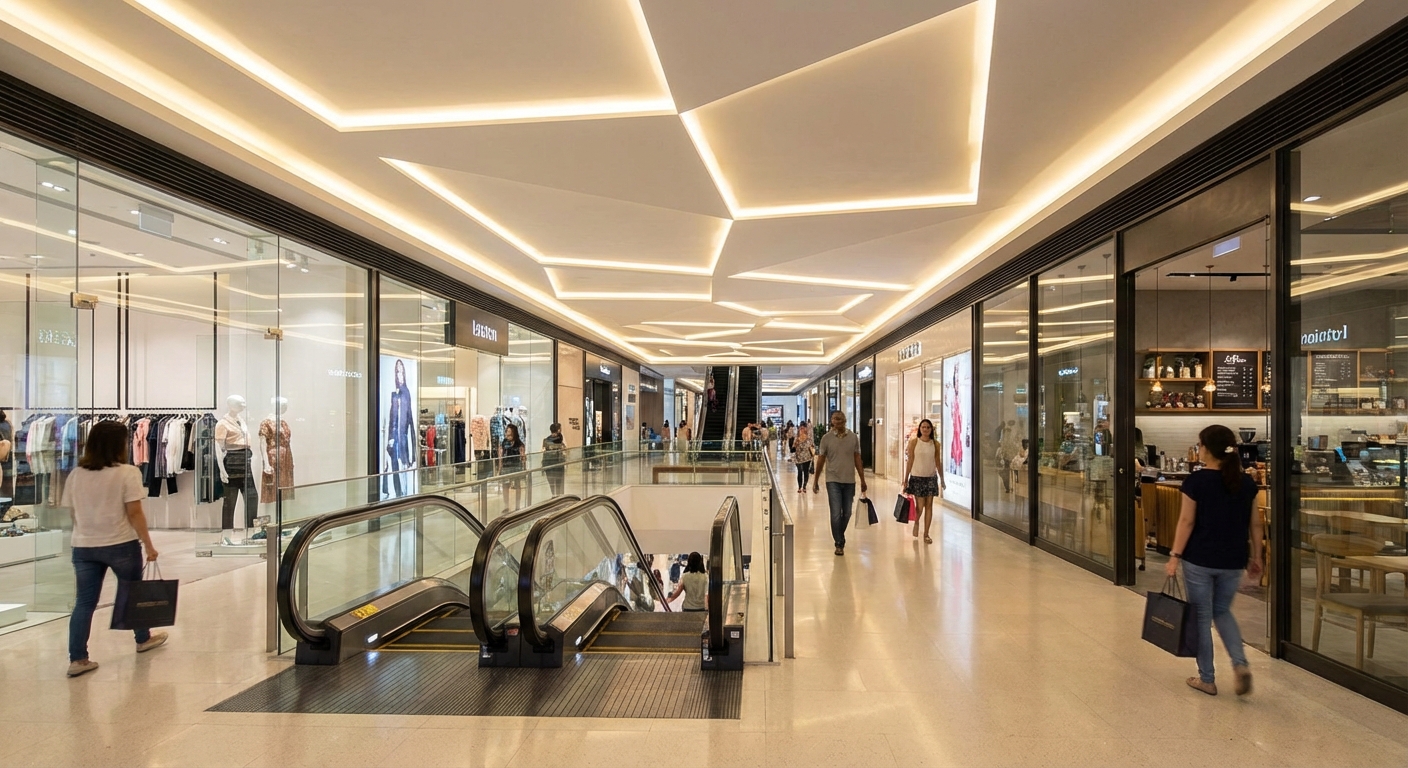
Singapore’s underground shopping streets offer a completely different retail experience from the towering malls above ground. These climate-controlled corridors stretch beneath busy districts, connecting MRT stations to office towers and shopping centers while housing dozens of independent shops, food stalls, and service providers that many tourists walk right past.
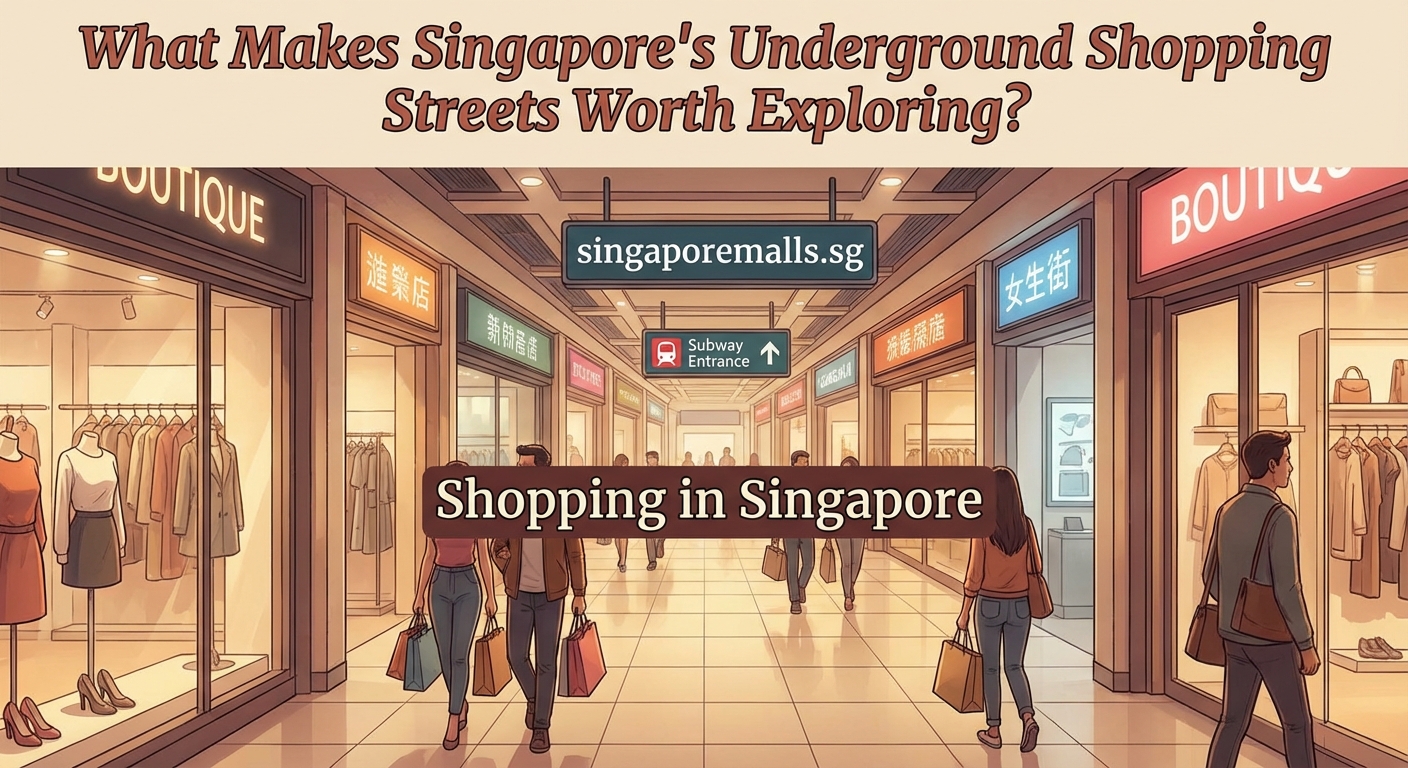
Singapore underground shopping streets connect major transit hubs through air-conditioned walkways filled with budget-friendly shops, local food vendors, and convenient services. These subterranean networks offer authentic shopping experiences away from tourist crowds, with direct access to multiple malls and MRT lines. Most stay open during regular mall hours and provide shelter during tropical downpours.
Where to Find Singapore’s Main Underground Networks
The city’s underground shopping corridors cluster around major transit hubs and commercial districts.
City Hall and Raffles Place form the oldest underground network. These passages link multiple MRT stations through a maze of shops selling everything from stationery to tailored suits. The corridors date back to the 1980s and retain a distinctly local character.
Marina Bay’s underground system connects three MRT lines across a massive area. You can walk from Marina Bay station to Bayfront and Promenade entirely underground, passing through shopping areas that serve office workers rather than tourists.
Orchard station features underground passages that extend toward Somerset and Dhoby Ghaut. These tunnels house smaller boutiques and food vendors that complement the luxury shopping options found in the malls above.
Bugis Junction pioneered the concept of integrated underground retail in the 1990s. The basement levels connect directly to Bugis MRT and stretch toward nearby shopping centers.
Tanjong Pagar’s newer underground network serves the financial district with practical shops and affordable dining options for the lunch crowd.
What Makes Underground Shopping Different From Regular Malls
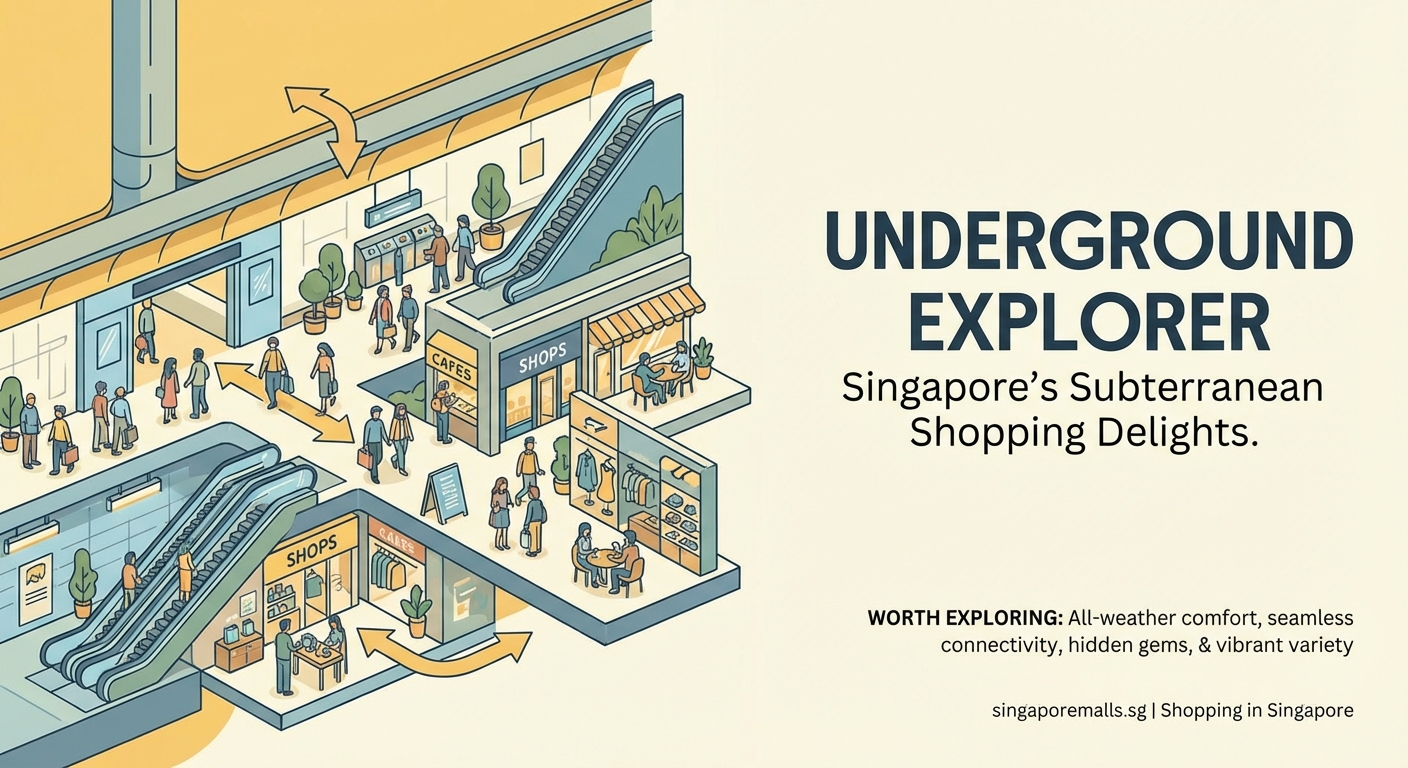
The retail mix underground skews toward everyday needs rather than luxury goods.
Independent retailers dominate the space. You’ll find family-run businesses selling phone accessories, keys, shoe repairs, watch batteries, and alterations. These shops often charge less than their above-ground counterparts because rental costs run lower.
Food options cater to locals. Underground food courts and hawker-style stalls serve working professionals who need fast, affordable meals. Prices typically run $3 to $6 for a complete meal, far below what food courts in major malls charge.
Service providers cluster together. You’ll spot opticians, tailors, cobblers, locksmiths, and dry cleaners all within a few storefronts. Many offer same-day service because they serve office workers on lunch breaks.
The atmosphere feels functional. Underground spaces lack the architectural drama of modern malls. Fluorescent lighting, tile floors, and narrow corridors create a utilitarian vibe that focuses on efficiency over experience.
“Underground shopping areas preserve a slice of old Singapore retail culture. These spaces feel more like neighborhood shops than tourist destinations, which is exactly their appeal.” — Local retail historian
How to Navigate Underground Shopping Networks
Getting around these subterranean corridors requires a different approach than navigating surface malls.
Follow the directional signs
Every major underground network posts signs pointing toward MRT exits, building names, and street-level landmarks. The signs use both English and pictograms, making them relatively easy to follow even for first-time visitors.
Use MRT stations as anchor points
Underground passages always connect to at least one MRT station. When you feel lost, look for signs pointing back to the nearest station and reorient from there. This strategy works better than trying to maintain your sense of direction underground.
Download offline maps
Google Maps shows most underground passages, but the GPS signal drops once you go below ground. Screenshot the route before descending, or use the MRT system map as a reference point.
Ask shop owners for directions
Vendors who’ve worked underground for years know every shortcut and connection. They’ll often walk you to the correct corridor if you’re heading somewhere specific.
Planning Your Underground Shopping Route
A strategic approach helps you see the best sections without wasting time in dead-end corridors.
-
Start at a major MRT interchange. City Hall, Raffles Place, and Orchard stations offer the most extensive underground networks with the highest concentration of shops.
-
Visit during weekday lunch hours. Underground areas come alive between 12 PM and 2 PM when office workers flood the corridors. You’ll find more food stalls open and a livelier atmosphere.
-
Allocate 90 minutes minimum. A thorough walk through one underground network takes at least an hour and a half, accounting for browsing time and potential purchases.
-
Wear comfortable walking shoes. Underground corridors can stretch for several hundred meters. The tile floors get slippery when wet from air conditioning condensation.
-
Bring small bills. Many underground vendors prefer cash, and some don’t accept cards at all. Having $50 in tens and fives makes transactions smoother.
-
Connect to nearby attractions. Underground passages often lead directly to museums, hotels, and office towers. Plan your route to include a surface destination at the end.
What to Buy in Underground Shopping Areas
The product mix differs significantly from what you’ll find in mainstream malls.
| Category | What You’ll Find | Typical Price Range |
|---|---|---|
| Phone accessories | Cases, cables, screen protectors, portable chargers | $5 – $30 |
| Stationery | Notebooks, pens, office supplies, greeting cards | $2 – $15 |
| Clothing alterations | Hemming, taking in, letting out, zipper repairs | $8 – $25 |
| Shoe repairs | Heel replacement, sole repair, stretching | $10 – $40 |
| Watch services | Battery replacement, strap adjustment, basic repairs | $5 – $20 |
| Key cutting | Standard keys, car keys, mailbox keys | $3 – $15 |
| Eyewear | Reading glasses, sunglasses, basic frames | $20 – $80 |
Practical items sell well underground. Look for travel adapters, umbrellas, reusable bags, and other items you might need immediately. Prices often beat what you’d pay in tourist areas.
Snacks and beverages cost less. Convenience stores and small food vendors charge significantly less than airport or hotel shops. Stock up on drinks and packaged snacks before heading to your next destination.
Local brands appear more frequently. Underground shops stock Singapore and regional brands that don’t always make it into international retail chains. This includes local snack foods, beverages, and personal care products.
Underground Food Options Worth Trying
The dining scene underground reflects Singapore’s multicultural food heritage at budget-friendly prices.
Kopitiam-style coffee shops serve traditional breakfast sets with kaya toast, soft-boiled eggs, and strong local coffee. These spots open early to catch the morning commuter rush.
Noodle stalls offer laksa, ban mian, and wonton noodles prepared fresh throughout the day. Most stalls have been run by the same families for decades.
Rice bowl vendors dish out economical meals with a protein, vegetables, and rice for under $6. Popular options include chicken rice, mixed vegetable rice, and curry rice.
Sandwich and wrap shops cater to office workers who want a lighter lunch. Expect Western-style sandwiches alongside Asian fusion wraps.
Bubble tea chains operate smaller format stores underground with the same menu as their flagship locations but often with shorter queues.
The food quality matches what you’d find in established food courts, but the setting feels more casual and the prices run lower.
Common Mistakes Tourists Make Underground
Avoiding these errors will improve your underground shopping experience.
Mistake 1: Expecting luxury retail. Underground areas serve local needs first. If you want high-end shopping, stick to the malls above ground or check out where luxury brands cluster.
Mistake 2: Visiting on Sundays. Many underground shops close on Sundays or operate reduced hours because their primary customers (office workers) aren’t around.
Mistake 3: Rushing through. The best finds often hide in side corridors or smaller passages. Give yourself time to wander and browse.
Mistake 4: Ignoring small vendors. The tiny stalls with handwritten signs often offer the best prices and most authentic experiences.
Mistake 5: Forgetting about air conditioning. Underground spaces run cold. Bring a light jacket if you’re sensitive to temperature changes.
Mistake 6: Not asking about discounts. Many underground vendors will negotiate, especially for multiple items or if you’re paying cash.
Connecting Underground Routes to Major Malls
Singapore’s underground networks create seamless connections between transit and retail.
The City Hall network links directly to Raffles City Shopping Centre and Capitol Piazza. You can start your day underground, pop up into a major mall, then descend again to continue shopping.
Marina Bay’s passages connect to Marina Bay Sands, Marina Square, and Millenia Walk. This creates one of the longest air-conditioned walking routes in the city.
Orchard station’s underground corridors lead to multiple shopping centers including 313@Somerset and Orchard Gateway. You can navigate the entire Orchard Road shopping district partially underground during rainy weather.
Bugis Junction’s basement seamlessly integrates with the underground passage system, making it hard to tell where the transit corridor ends and the mall begins.
These connections prove especially valuable during afternoon thunderstorms when surface streets flood and outdoor walking becomes unpleasant.
Hidden Services in Underground Shopping Areas
Beyond retail shops, underground corridors house numerous service providers that tourists rarely notice.
- Passport photo services that can shoot, print, and deliver regulation photos in 10 minutes
- Luggage storage facilities charging by the hour or day
- Mobile phone repair shops that can fix cracked screens while you wait
- Nail salons offering basic manicures at a fraction of mall prices
- Tailors who can hem pants or take in shirts same-day
- Opticians who can adjust glasses or replace nose pads immediately
- Cobblers who can stretch tight shoes or replace worn heels
- Laundromats with wash-and-fold service for travelers
These services cater primarily to office workers but welcome tourists who need something fixed or adjusted during their trip.
Best Times to Visit Underground Shopping Streets
Timing your visit affects both the atmosphere and the number of shops open.
Weekday mornings (7 AM to 9 AM) buzz with commuters grabbing breakfast and coffee. Food vendors operate at full capacity, but retail shops may still be closed.
Weekday lunch hours (12 PM to 2 PM) represent peak activity. Every shop opens, food stalls serve their full menus, and the corridors fill with office workers. This is the best time to experience authentic local energy.
Weekday afternoons (2 PM to 5 PM) see reduced crowds but most shops remain open. You’ll get better service and more attention from vendors.
Weekday evenings (5 PM to 7 PM) bring another rush as workers head home. Food vendors stay busy, but some service shops start closing.
Weekends vary by location. Underground areas near tourist attractions stay busy, while those in financial districts go quiet.
Public holidays see reduced operations, with many shops closed entirely.
For the fullest experience, visit on a Tuesday, Wednesday, or Thursday between noon and 2 PM.
Safety and Accessibility in Underground Passages
Singapore’s underground shopping areas maintain high safety standards, but knowing what to expect helps.
Security cameras monitor all corridors. The underground networks fall under the same surveillance systems that cover MRT stations and public spaces.
Emergency exits appear regularly. Signs point toward surface exits every 50 to 100 meters. These exits lead to street level or into connected buildings.
Accessibility varies by age of construction. Newer sections like Marina Bay feature elevators and ramps throughout. Older networks like City Hall have stairs in some sections with limited elevator access.
Lighting stays consistent. Fluorescent fixtures provide even illumination throughout operating hours, though the quality feels more functional than atmospheric.
Crowds remain manageable. Even during peak hours, underground corridors rarely feel as congested as surface streets or popular malls.
Cleanliness matches MRT standards. Cleaning crews maintain the passages throughout the day, keeping floors dry and trash bins emptied.
How Underground Shopping Fits Into Your Singapore Itinerary
These subterranean networks serve specific travel needs better than surface malls.
Use them as weather backup plans. When tropical storms hit, underground passages let you keep shopping and dining without getting soaked. They’re perfect for rainy day activities that don’t involve traditional mall browsing.
Schedule them between major attractions. Underground networks often connect tourist sites. Walking through them adds a local dimension to your route while keeping you cool and dry.
Visit for authentic food experiences. The underground food vendors serve the same quality as hawker centers but in a more compact, easier-to-navigate space.
Stop by for practical purchases. Need a phone charger, umbrella, or quick alteration? Underground shops solve these problems faster and cheaper than hotel concierges or tourist-area retailers.
Consider them for budget shopping. If you’re looking for budget-friendly options, underground vendors often beat even discount malls on price.
Why Underground Shopping Streets Matter to Singapore’s Retail Culture
These passages represent an often-overlooked layer of the city’s shopping ecosystem.
Underground shopping areas preserve retail practices that have largely disappeared from modern malls. Small family businesses, personal service, negotiable prices, and neighborhood atmosphere survive here when they’ve been squeezed out of premium retail spaces above ground.
The networks also demonstrate Singapore’s commitment to integrated urban planning. By connecting transit, office towers, and retail underground, the city reduces surface congestion while creating all-weather pedestrian routes that make car ownership less necessary.
For travelers, these spaces offer a glimpse of daily Singaporean life that tourist-focused malls can’t provide. The shops serve real local needs rather than catering to visitors, which means you’ll see what residents actually buy, eat, and use.
Walking through Singapore underground shopping streets takes you beneath the polished surface of one of Asia’s most modern cities. You’ll find practical bargains, authentic food, and a retail culture that values function over flash. The experience won’t replace your visits to flagship malls, but it will show you a side of Singapore shopping that most tourists never see.